








Climate and Animals
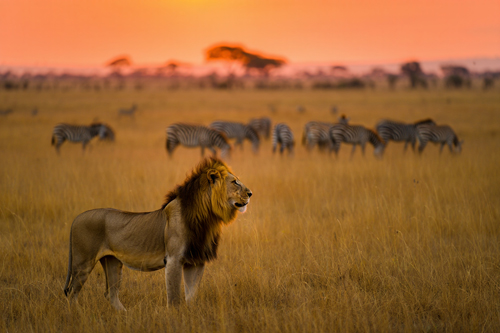
Climate change is already affecting habitats, migration routes, and the survival of many species. Here we discuss the consequences of global warming and strategies to help "climate refugee" species. What can we do?
How Does Climate Change Affect Wildlife?
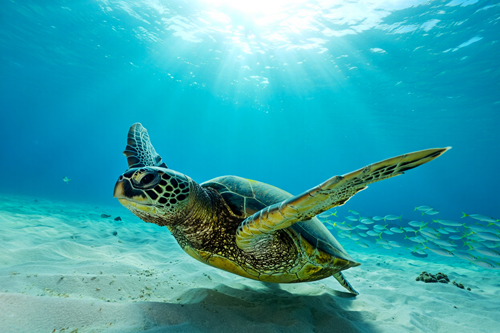
Melting ice, rising sea levels, increasing droughts and floods — all this directly destroys animal habitats. Are conditions changing in your region and are you already observing consequences for local species? How, in your opinion, can we help nature adapt to inevitable changes?
Which Animals Suffer the Most from Climate Change?
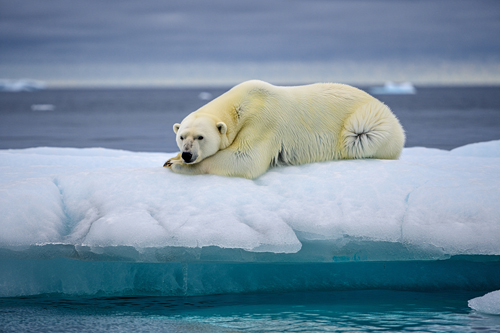
Species with a narrow habitat range, those dependent on ice, or inhabitants of coral reefs are in a special risk group. Do you know examples of animals from your area that are particularly vulnerable to climate change? How can we help them before it's too late?
Can Animals Adapt to Climate Change?
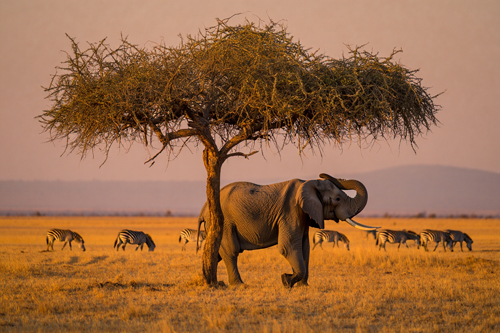
Some species change breeding times, migrations, or even appearance in response to warming. But will these changes be fast enough? What examples of successful adaptation do you know and are there species doomed to extinction due to an inability to adapt?
Animal Migrations: How Are Routes Changing Due to Climate?
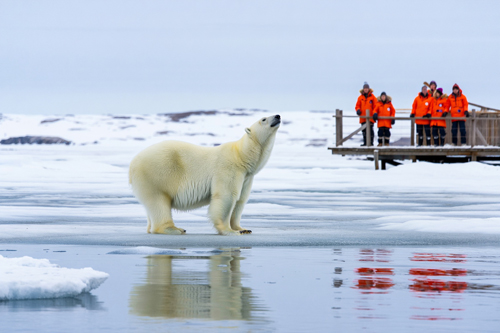
Migratory birds, sea turtles, and many mammals are faced with the fact that their traditional routes and migration times no longer match climatic conditions. What consequences does this have for ecosystems and how can we help migrating species in a changed world?
Climate Refugees Among Animals.
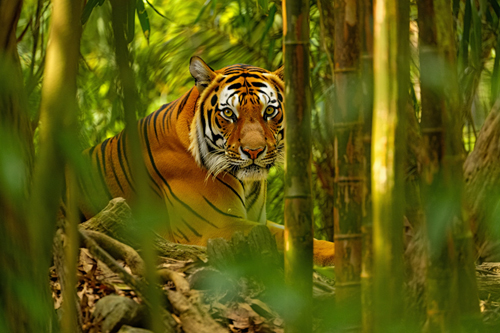
More and more animals are forced to leave their native habitats due to droughts, fires, or floods. Do you encounter the appearance of new species not typical for your region? How do such migrations affect local ecosystems and don't they lead to new conflicts?
Join our community on our social network Zoogalaxy in App Store or Google Play. Send your stories and interesting tales to the editorial team at the ZOOGALAXY portal