














The banteng Bos javanicus
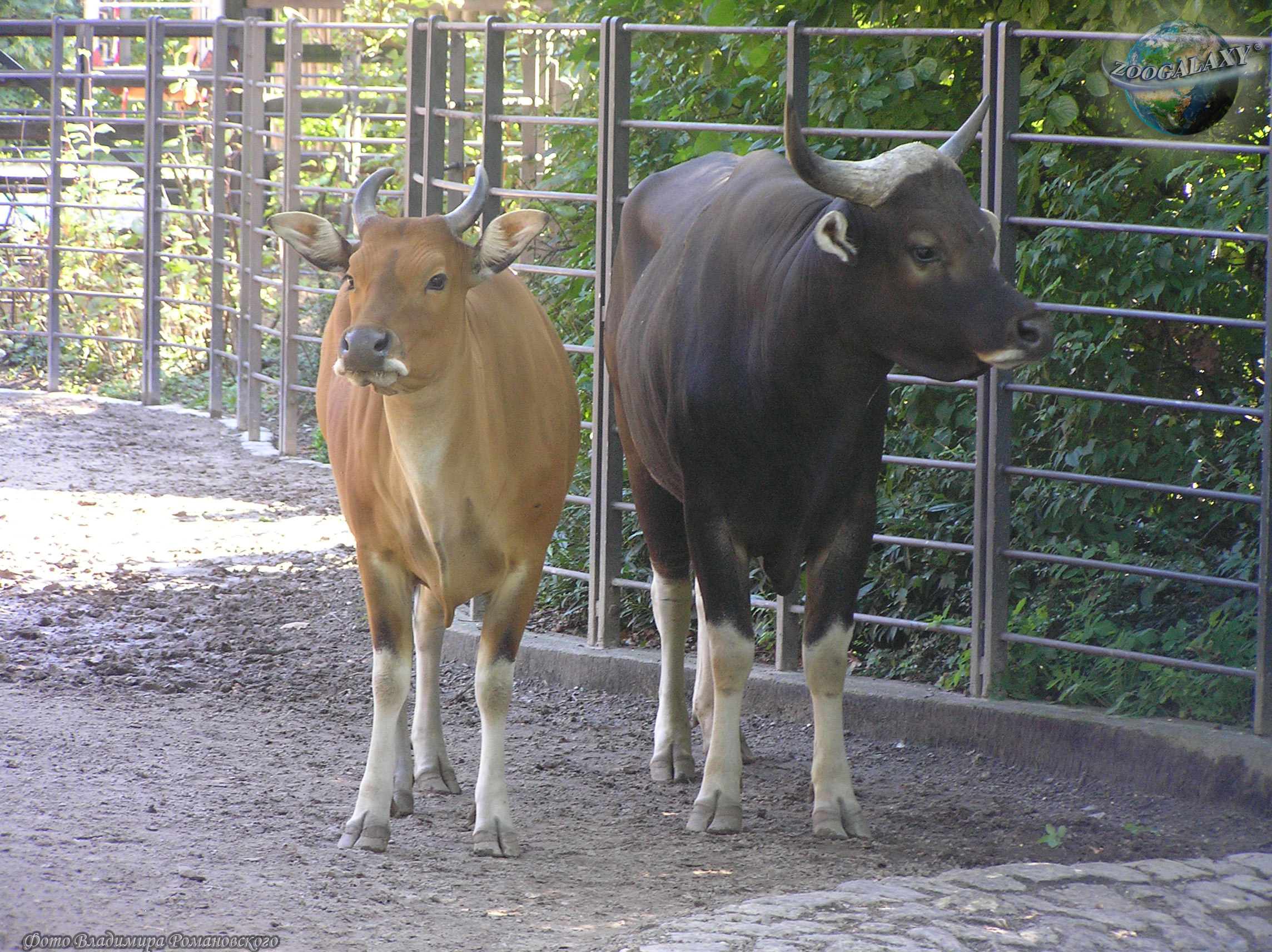
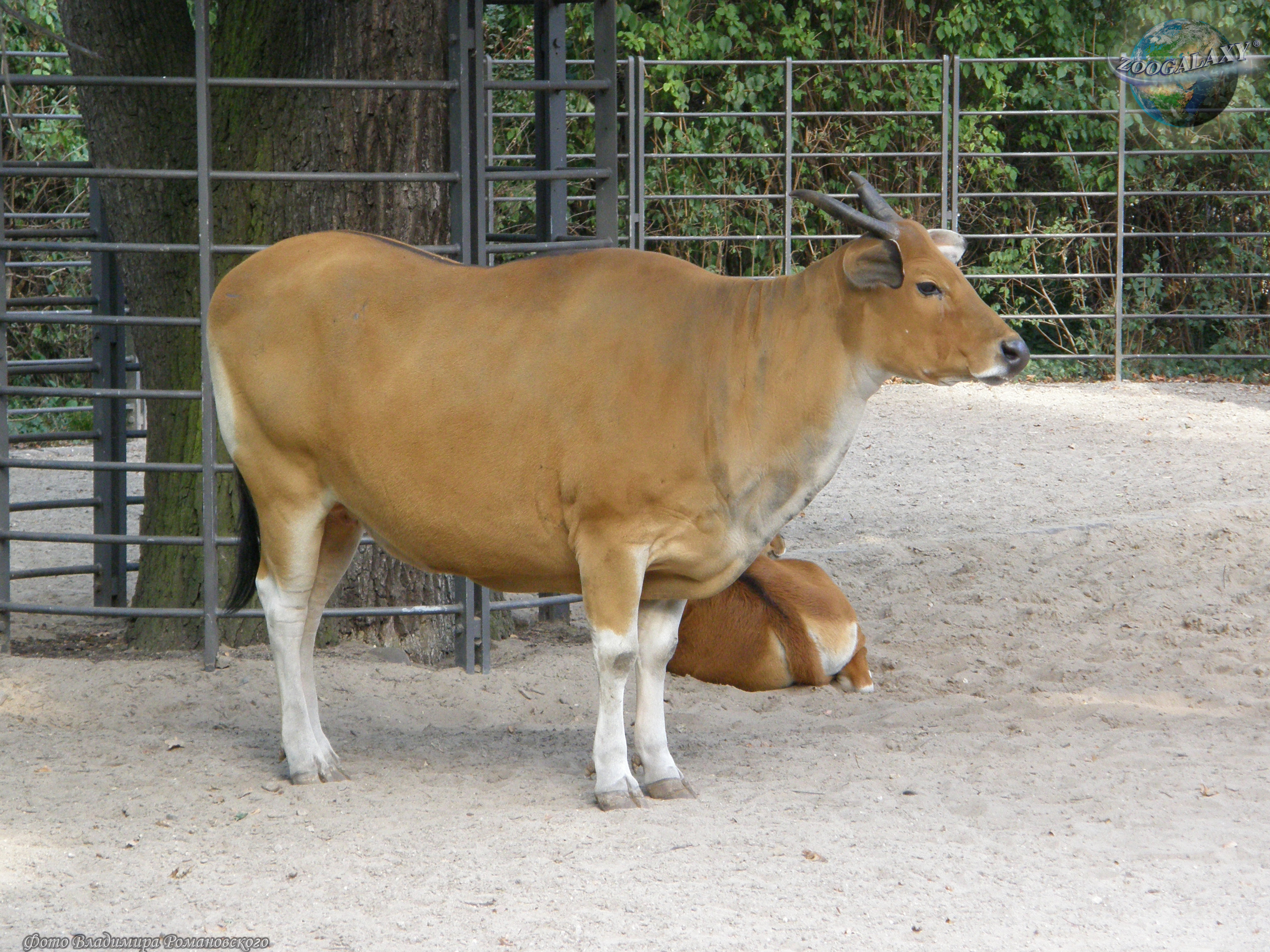
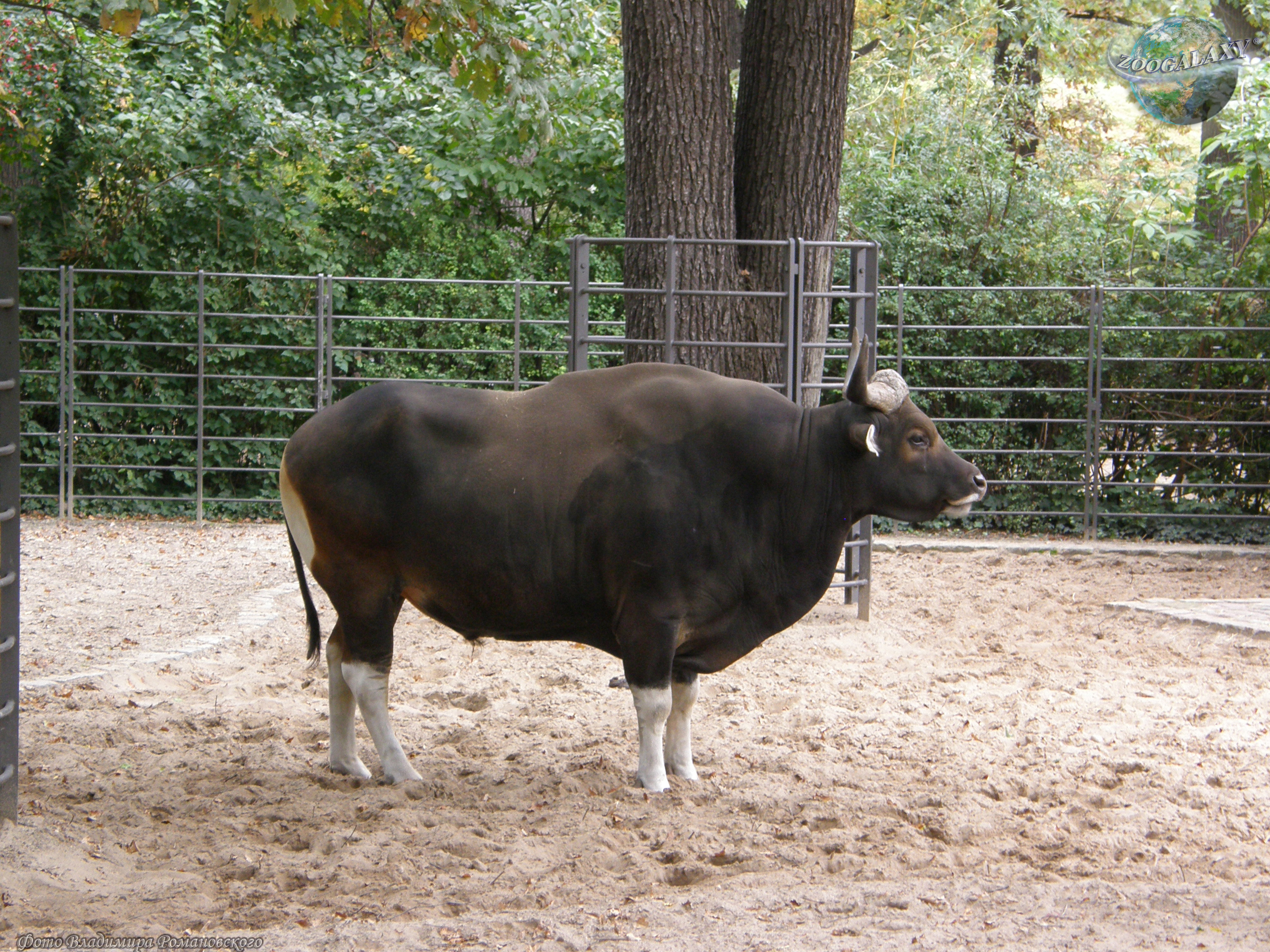
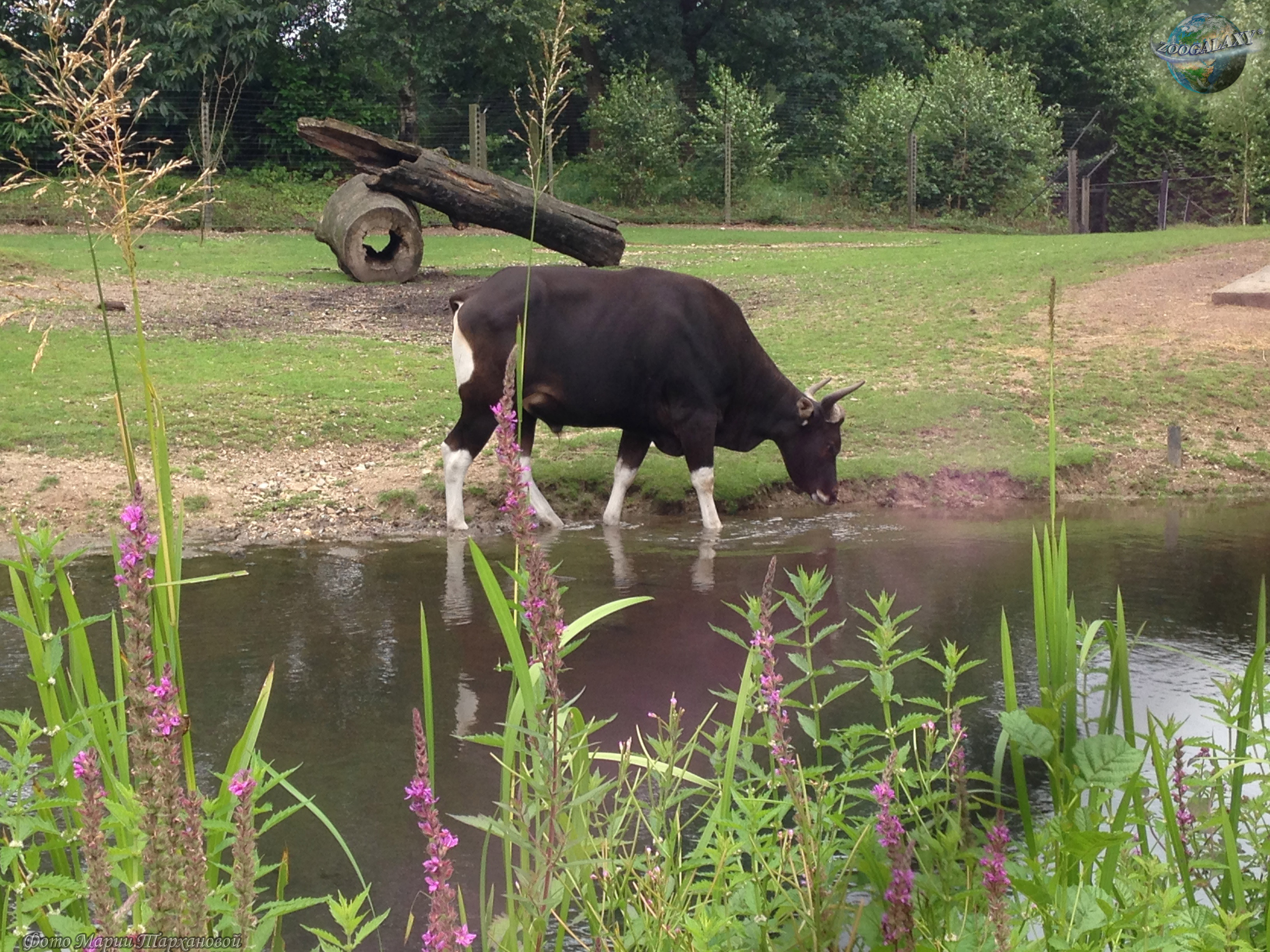
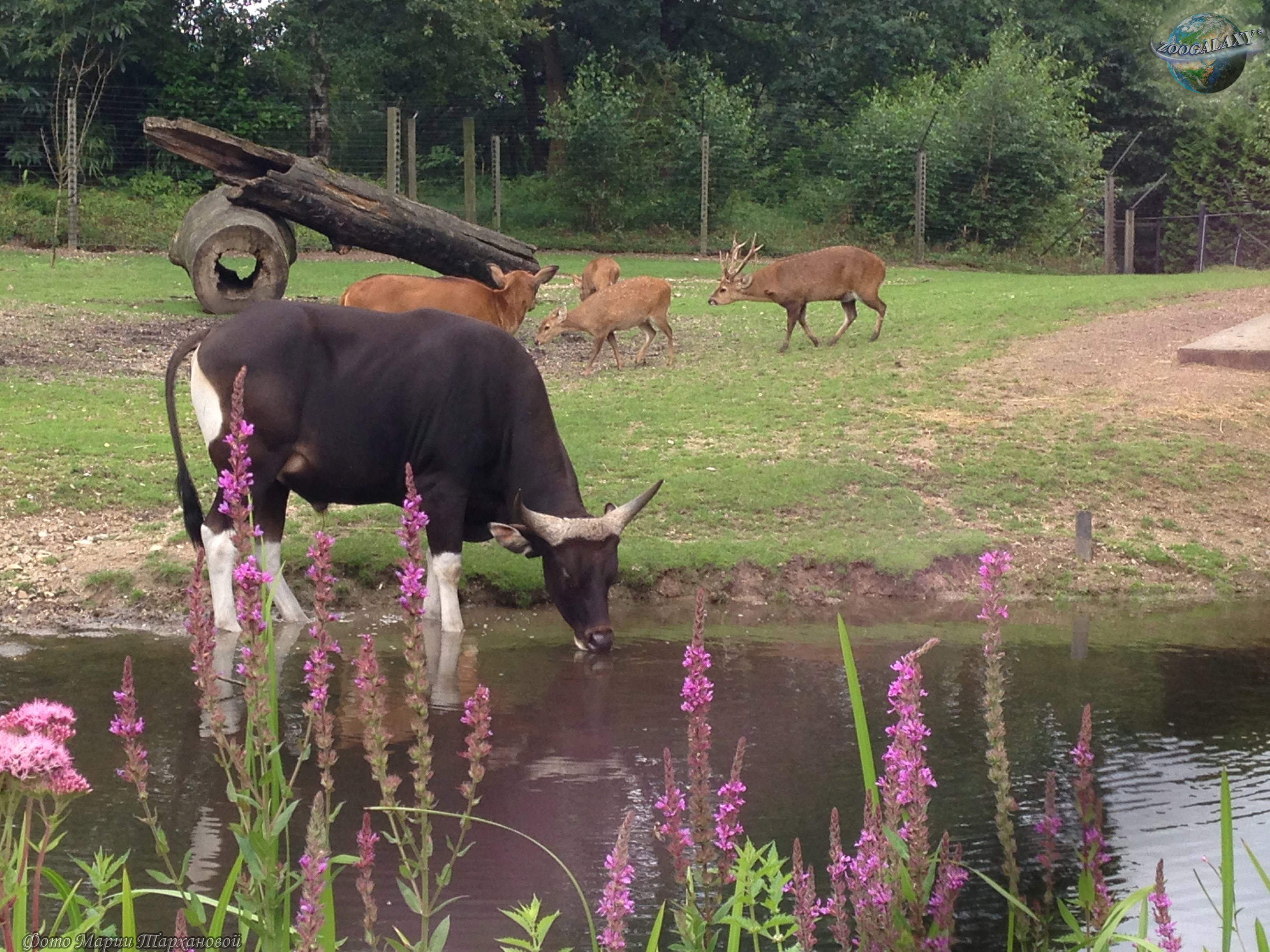
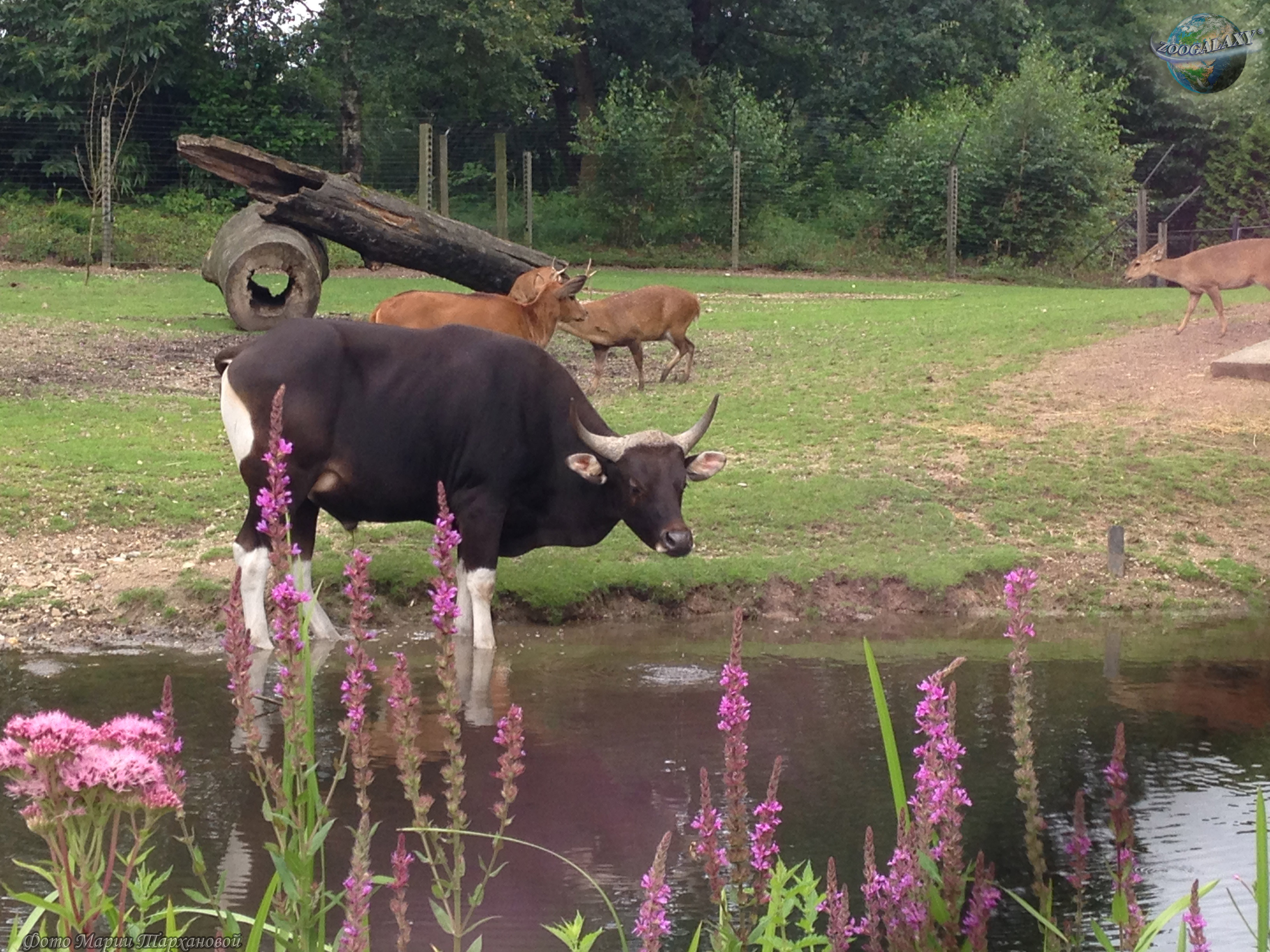
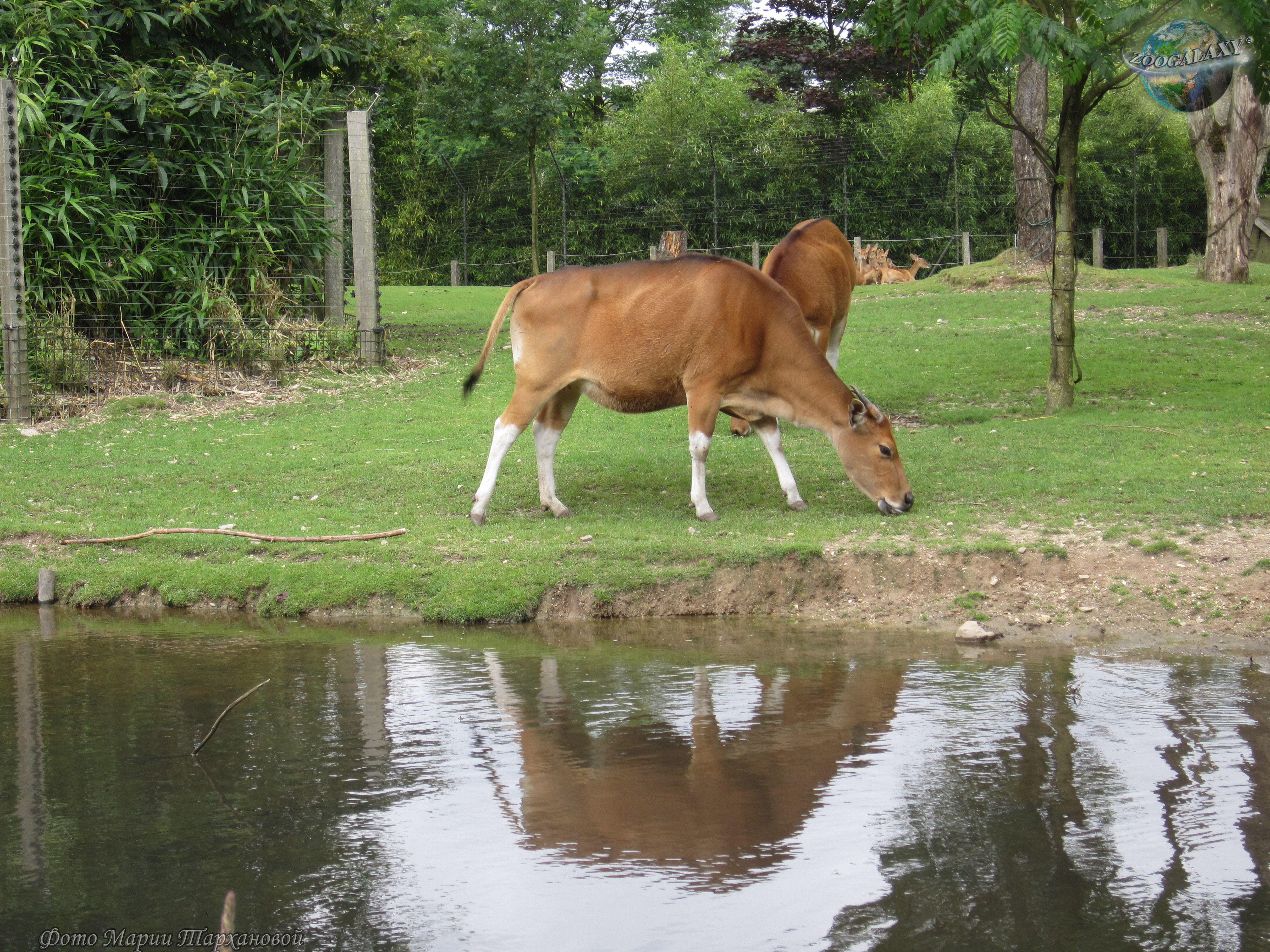
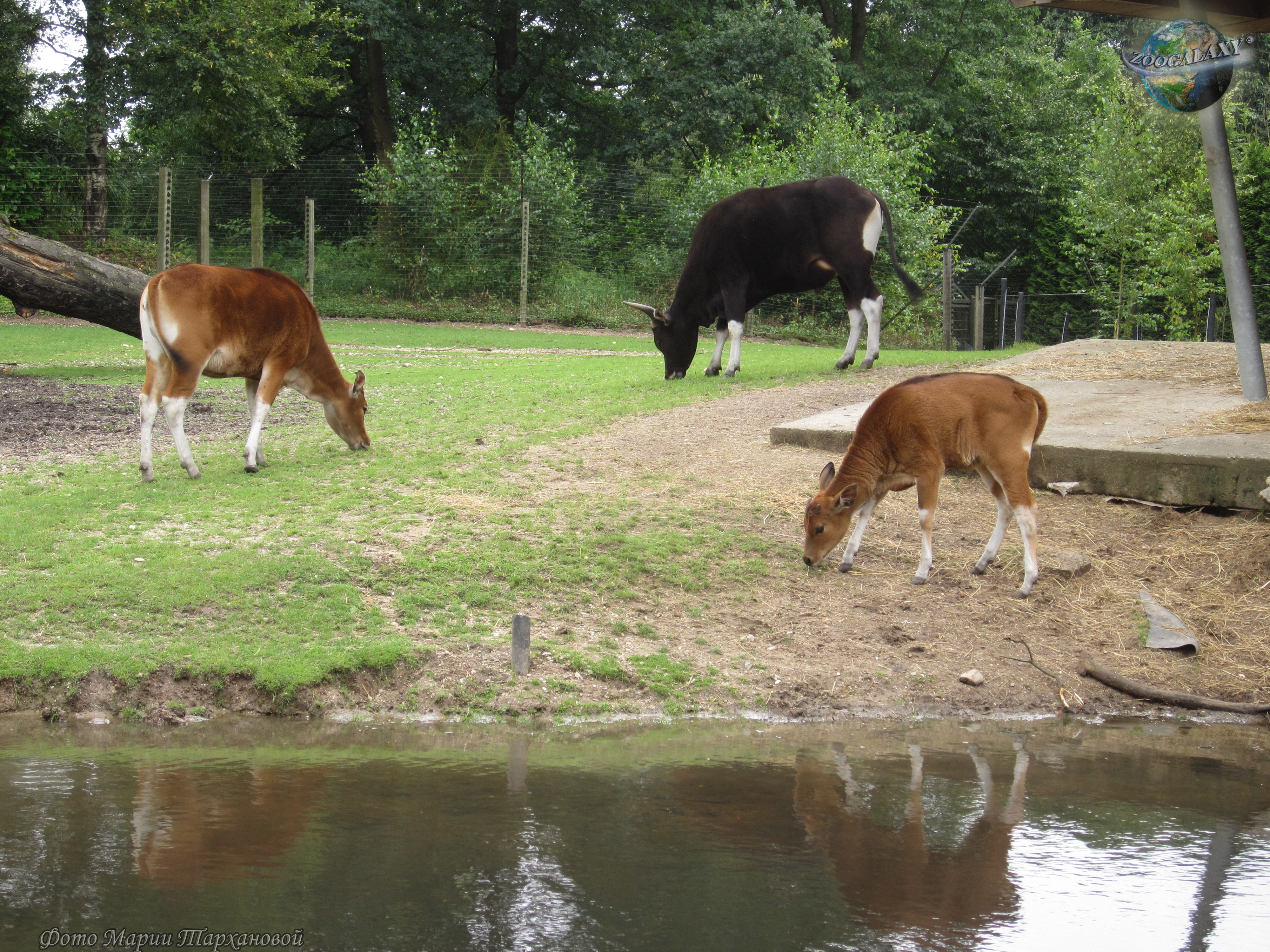
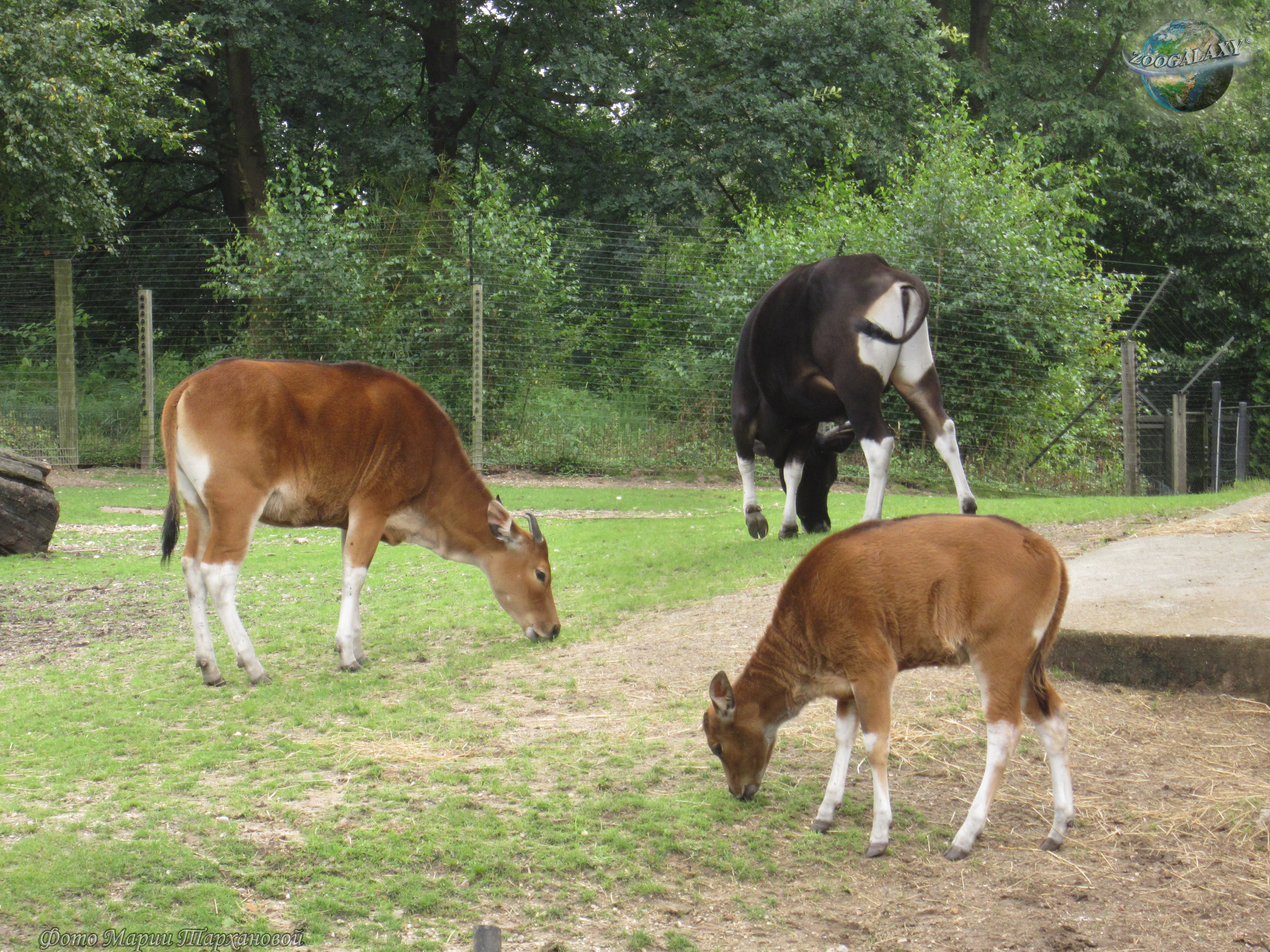
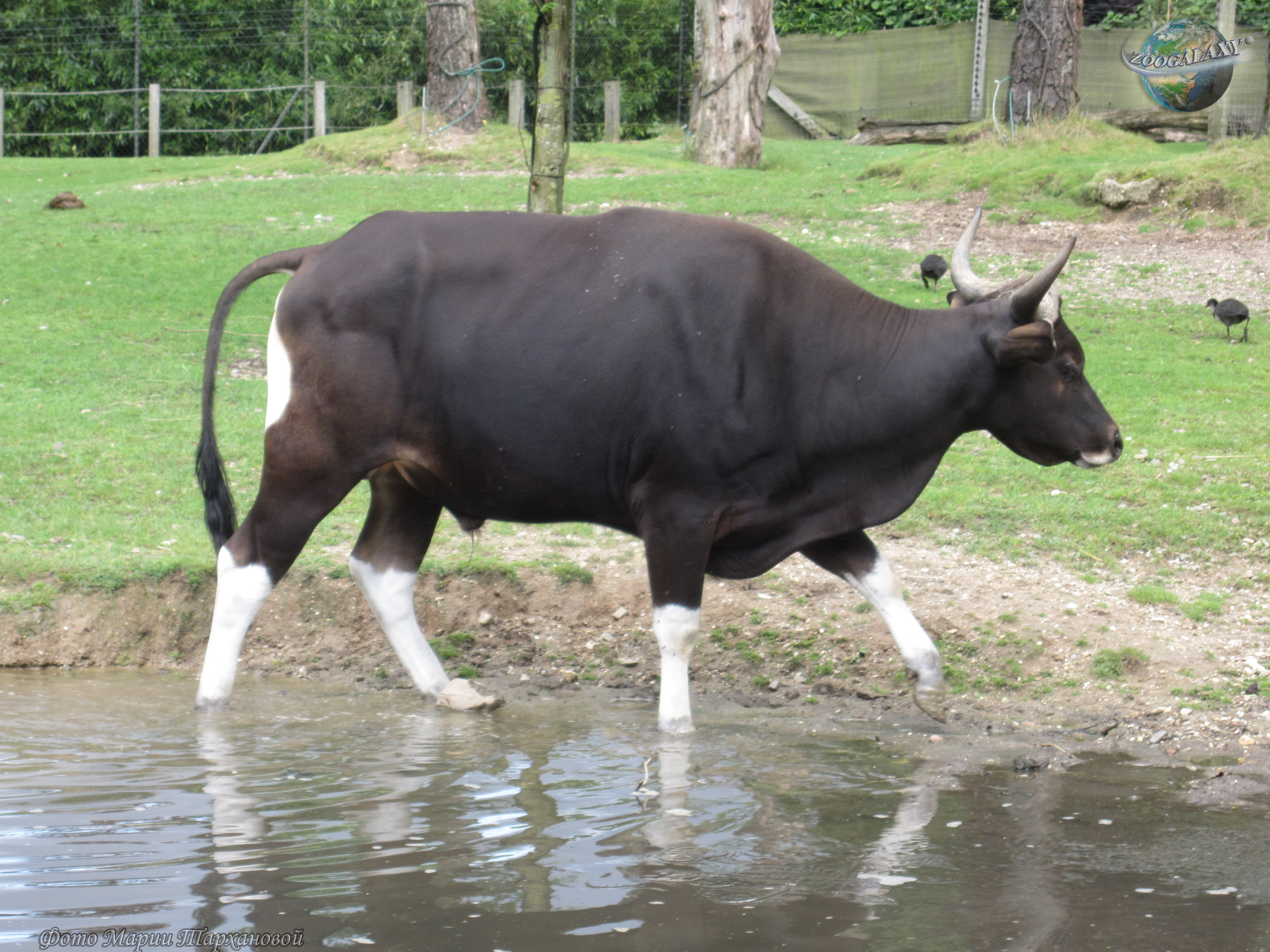
The banteng, also known as the tembadau, is a species of wild cattle found in the Southeast Asia. The banteng is a very large animal; it weighs 400 to 900 kg, its body length reaches 2.25 м and shoulder height is 190 cm. The banteng is not as heavy as the gaur and has longer legs, more elongated head, smaller ears, and less prominent back ridge. The banteng inhabits tropical rain forests and appear to prefer drier and more open regions than the gaur. The banteng mostly eats cereals but it can feed on other grasses, and bamboo shoots. The breeding season occurs between May and June. A single calf or twins are born after gestation period of 9.5 to 10 months. The calves are weaned at the age of about nine months. Young females reach sexual maturity by two years of age and are able to breed every year. The banteng is a rare species listed as “endangered” in the IUCN Red List of Threatened Species. The world population of the banteng is estimated at between 5,000 and 8,000 animals and keeps declining. Major threats to this species are habitat loss, interbreeding with other cattle species, and spread of domestic cattle infectious diseases. Like other wild cattle species, the banteng was also domesticated by humans.