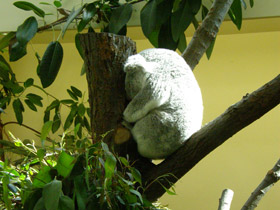















The dusky leaf monkey (Trachypithecus obscurus), the spectacled langur, or the spectacled leaf monkey
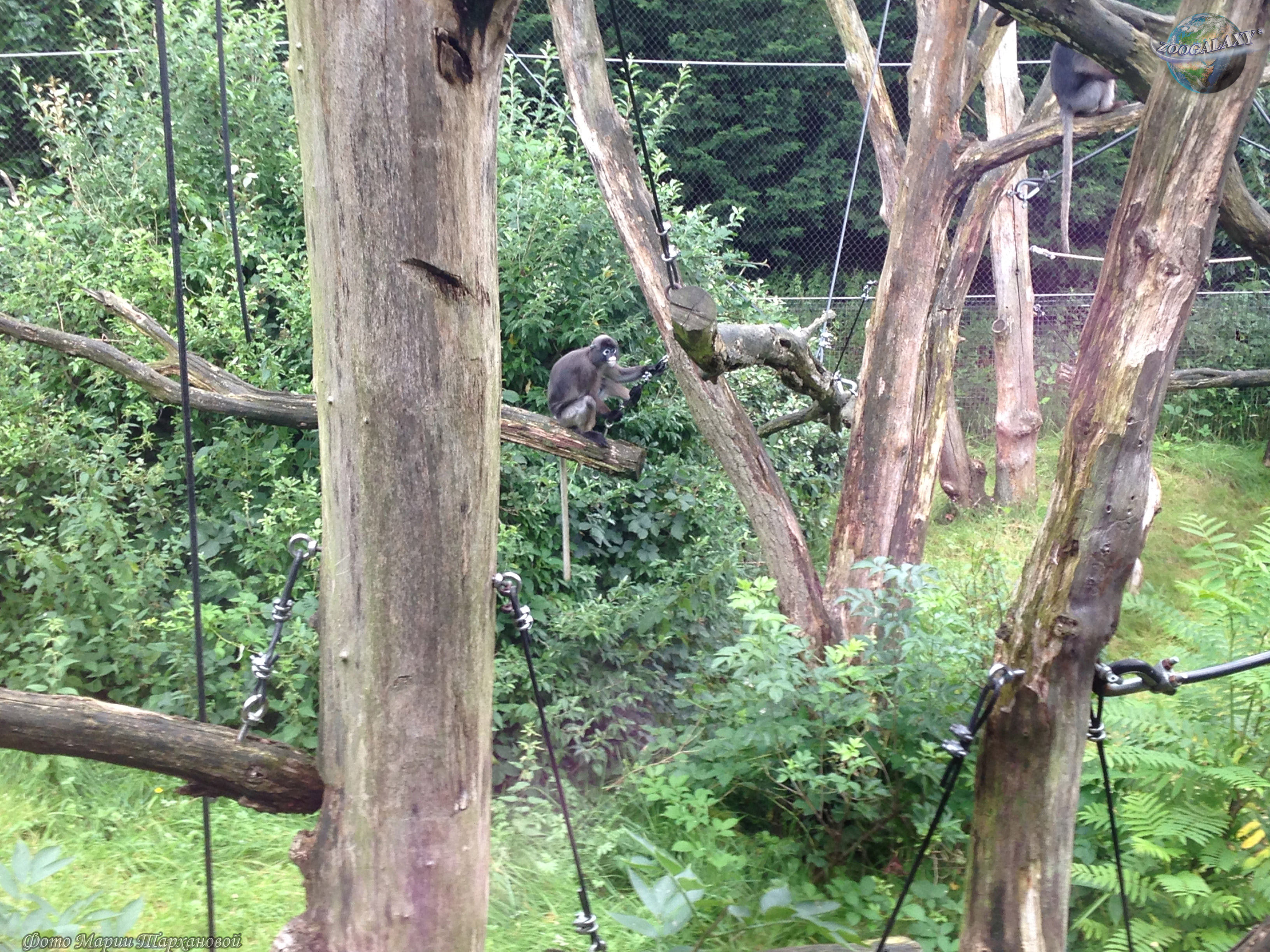
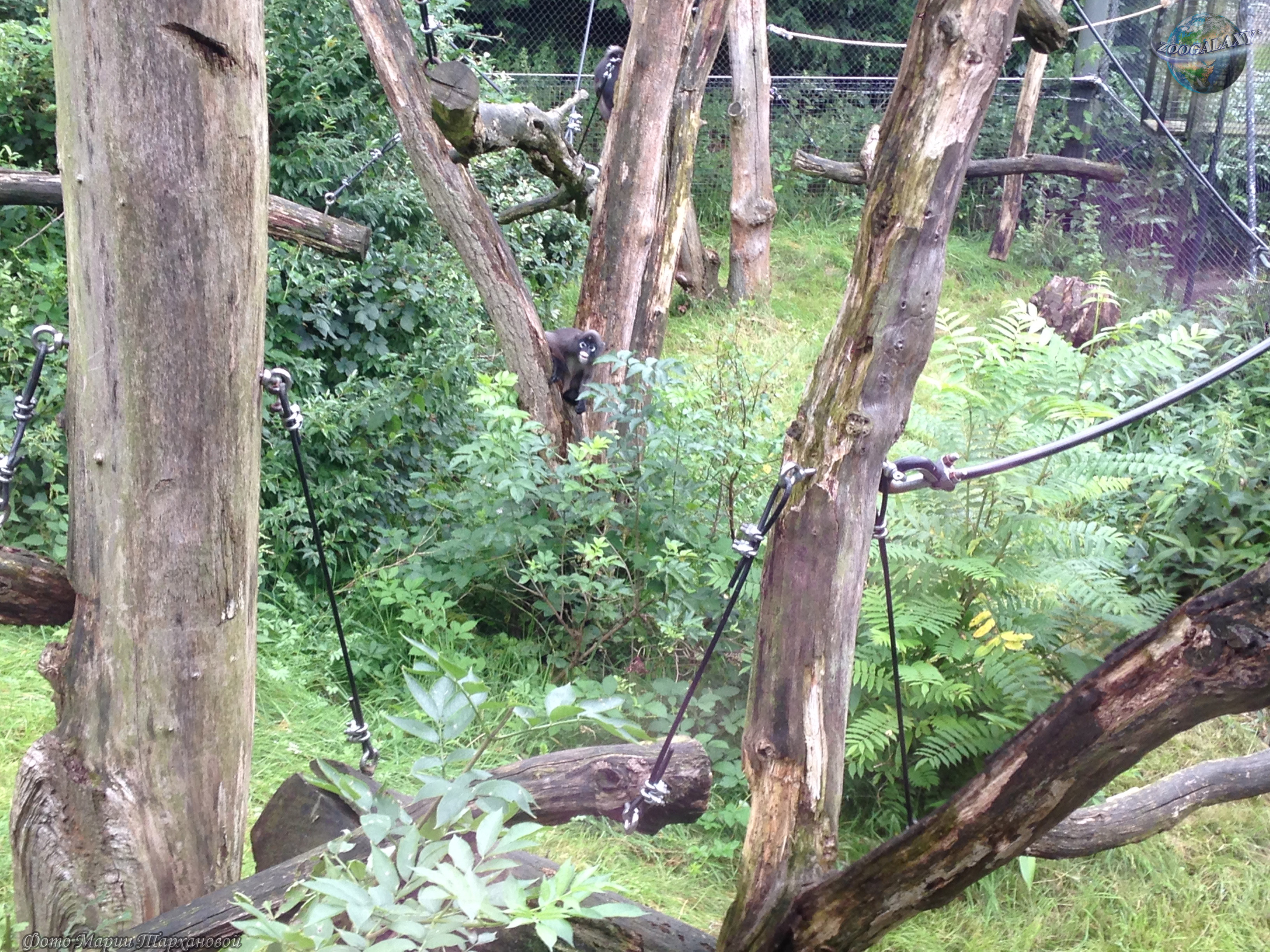
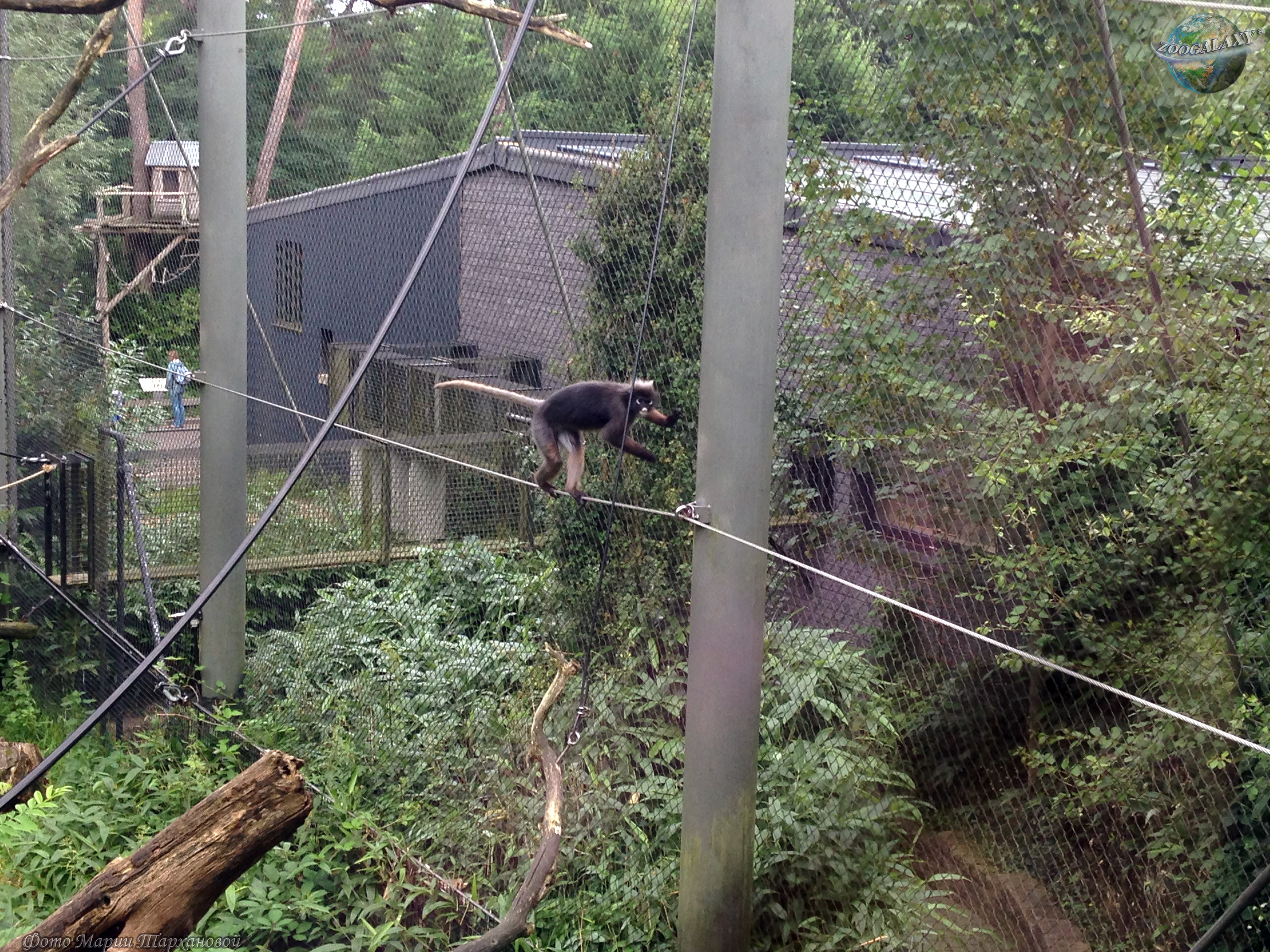
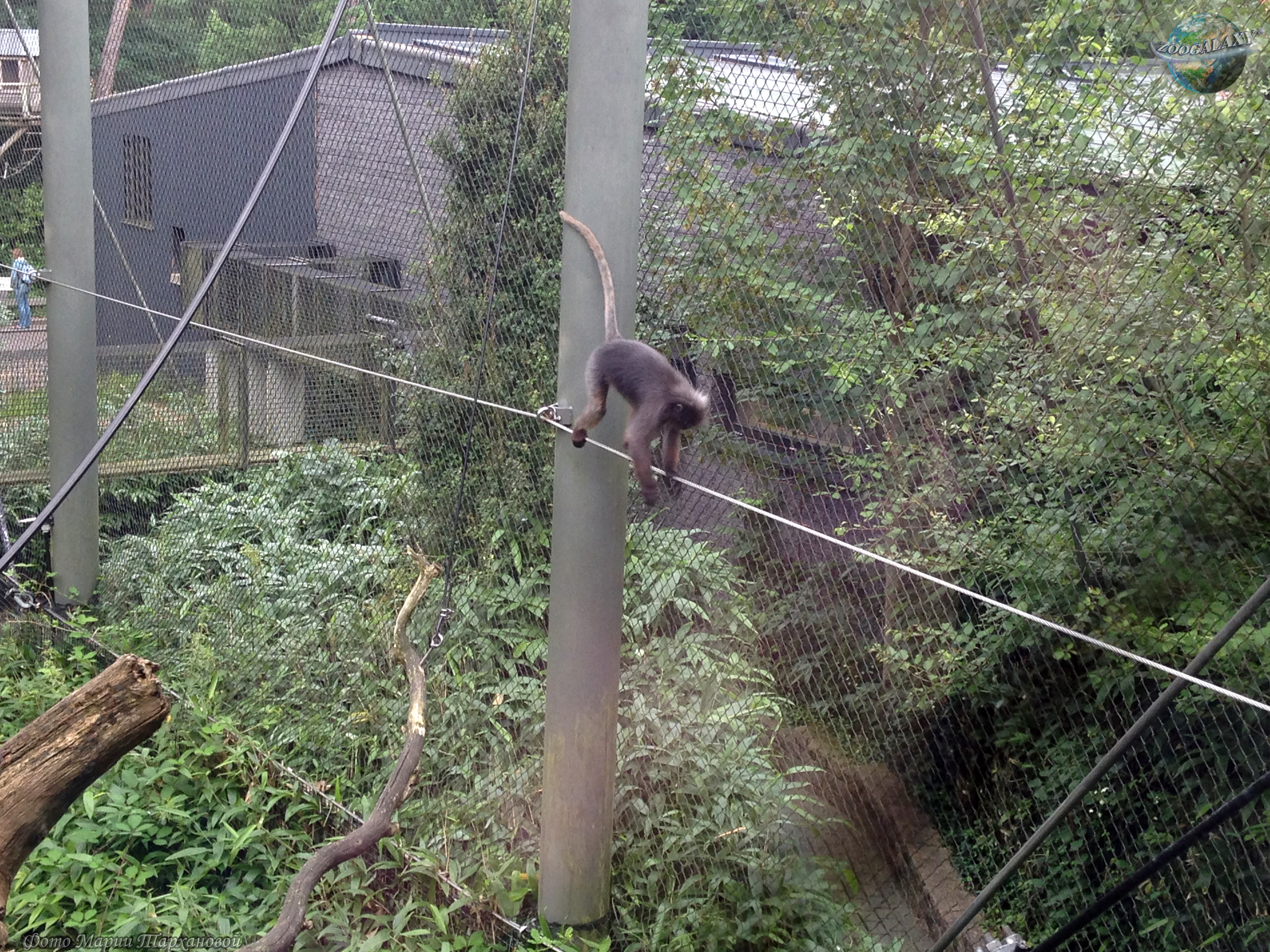
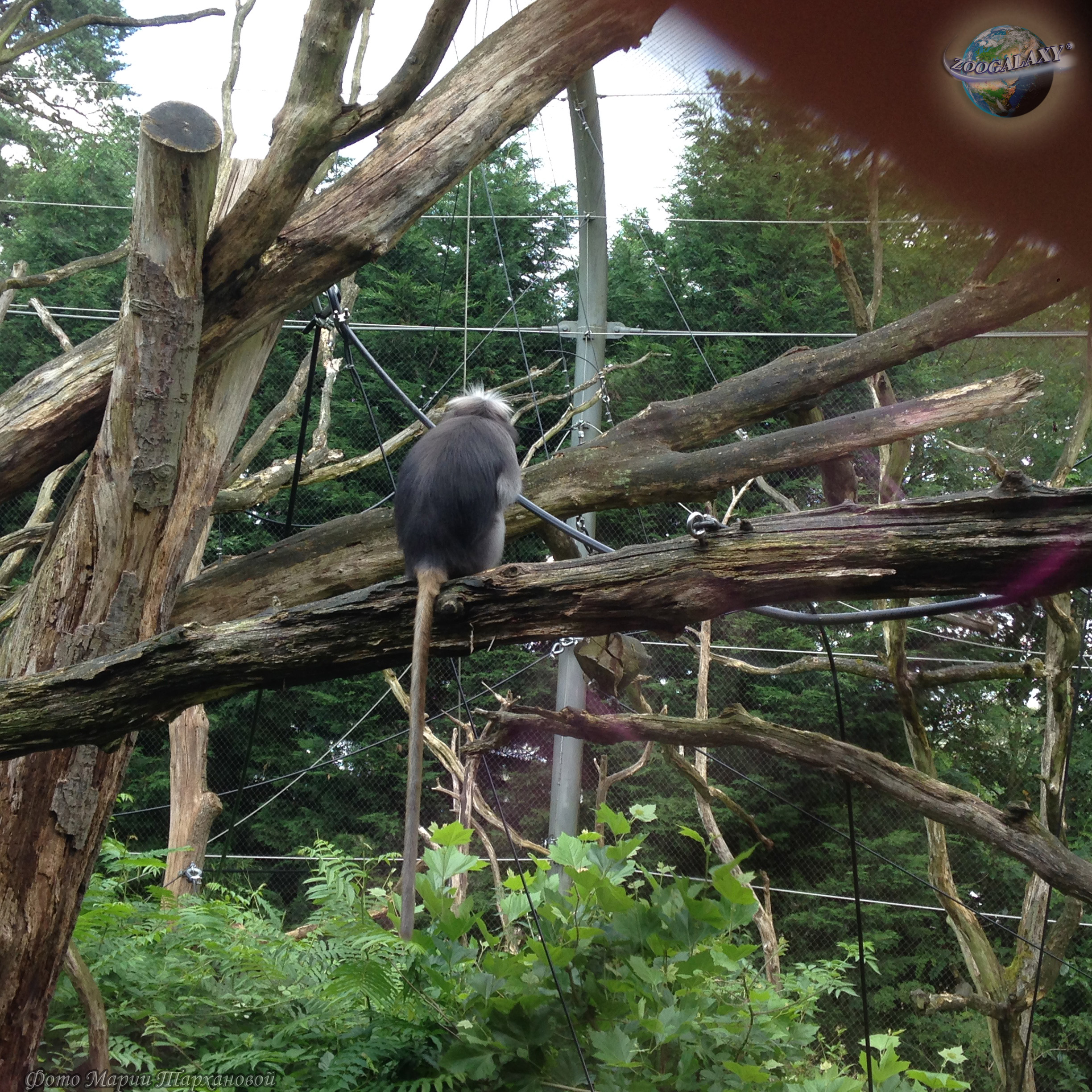

The dusky leaf monkey (Trachypithecus obscurus), also known as the spectacled langur, or the spectacled leaf monkey is a species of primate in the family Cercopithecidae. It is found in Peninsular Malaysia, Myanmar and Thailand, and can occasionally be found in Singapore. During the day, these small, folivorous primates divide in sub-groups and forage for vegetation and fruit throughout the tropical forests. According to the IUCN, the dusky leaf monkey's population is declining due to habitat loss, poaching, and anthropogenic land use, which prompted the IUCN to classify the species as endangered in 2015.
Taxonomy
Within the Cercopithecidae family, the dusky leaf monkey is a member of the genus Trachypithecus. Although most researchers agree with this classification, others believe that this primate should be categorized under the genus Presbytis.
Subspecies
Researchers have also disputed the number of subspecies that exist, with some claiming that there are 11, while others claim there are seven. Currently, the following seven subspecies are officially recognized:
- Trachypithecus obscurus obscurus;
- Trachypithecus obscurus flavicauda;
- Trachypithecus obscurus halonifer;
- Trachypithecus obscurus carbo;
- Trachypithecus obscurus styx;
- Trachypithecus obscurus seimundi;
- Trachypithecus obscurus sanctorum.
Appearance
Trachypithecus obscurus is a species of catarrhine primate of the family Cercopithecidae.
Trachypithecus obscurus, like other members of the genus Trachypithecus, has a slender build and a long tail. Its body length varies from 42 to 61 centimetres and its tail length from 50 to 85 centimetres. Males are on average heavier than females and can weigh up to 7.5 kg (females up to 6.5 kg).
Their coat colour varies from brown to grey and black, with lighter coloured belly, hindquarters and tail, and dark grey arms and legs. Its muzzle is dark grey, it has a white pattern around the eyes, the area around the mouth is lighter and its head has a tuft of hair typical of the genus.
Habitat and lifestyle
Trachypithecus obscurus is common on the Malay Peninsula and adjacent islands, with a range extending from southern Myanmar and Thailand to Malaysia. It is a forest-dweller, favouring primary and secondary montane forests. The ocular tonkotle leads a diurnal, arboreal lifestyle, keeping mainly to the upper levels of the forest.
These primates move mainly on all fours, and rarely jump compared to other primates.
Trachypithecus obscurus lives in groups of 5 to 20 animals, unlike most other tonkates, they do not form harems. Large groups of males may also occur. Groups often split into smaller subgroups in search of food.
Trachypithecus obscurus are territorial animals, with areas covering 5 to 12 ha. Trachypithecus obscurus feeds mainly on leaves, but also on fruits and flowers. Like other tonkoteles, they have multi-chambered stomachs to make better use of plant foods that are difficult to digest.
Reproduction
Trachypithecus obscurus mates presumably throughout the year. After about five months of gestation, the female normally gives birth to an offspring, which is initially orange like all Trachypithecus obscurus.
Puberty occurs between three and four years of age.
Conservation
As of 2015, the dusky leaf monkey is listed as an endangered species in the IUCN Red List. Notably, anthropogenic land-use within Southeast Asian forests have resulted in the endangerment of the dusky leaf monkey's natural habitat, resulting in noticeable population declines. However, the dusky leaf monkey also faces other threats brought on through anthropogenic activities and the introduction of predators within their habitat. Notably, domesticated dog packs have been reported to hunt and kill the dusky leaf monkey. The construction of roads within tropical forests has led to a large increase in road mortality among dusky leaf monkeys, and is seen to be one of the more prominent threats to the dusky leafy monkey's survival, along with habitat loss, habitat degradation, and poaching. While the dusky leaf monkey is often killed for their meat, there are other incentives to poach them as well, as they are considered agricultural pests across Southeast Asia. In the 1960s, this prompted Malaysian business owners to shoot them as they were feeding on leaves within rubber plantations. Infant dusky leaf monkeys are also hunted and sold as pets internationally. However, when owners attempt to domesticate these primates, they are often not properly cared for and die as a result.
Collective action is being taken to help conserve the dusky leaf monkey. In 1977, the dusky leaf-monkey had been introduced and listed under appendix II in the CITES legislation. Species under appendix II are considered to be near threatened or endangered. The trade of appendix II species is heavily regulated, and often illegal.