














The Tonkean black macaque or Tonkean macaque (Macaca tonkeana)
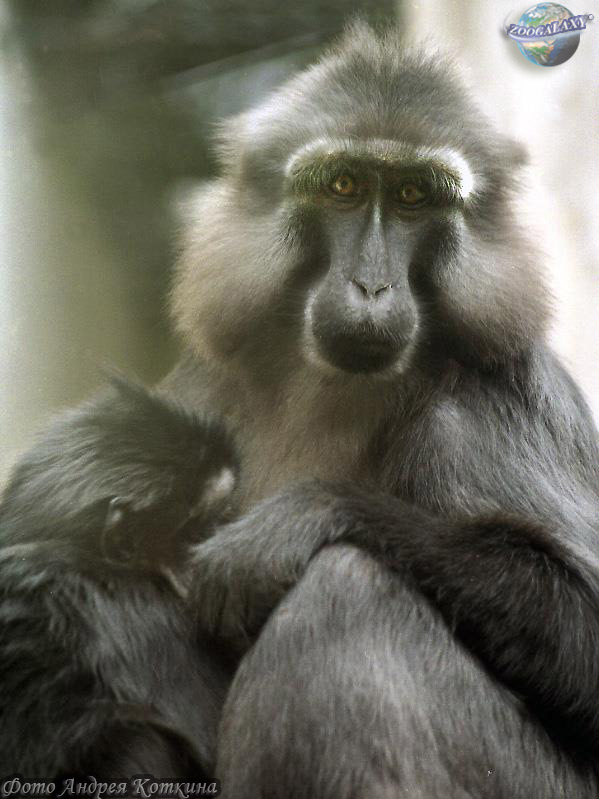
 The Tonkea macaque (Macaca tonkeana) is included in the IUCN Red List as a "vulnerable species"
The Tonkea black macaque (Macaca tonkeana) is a species of primate in the family Cercopithecidae. It is endemic to central Sulawesi and the nearby Togian Islands in Indonesia. It is threatened by habitat loss. Widespread mining in Central Sulawesi is believed to exacerbate habitat loss problems.
Tonkean macaques have a rather ape-like appearance, and males are slightly larger than females. A handful of matriarchs impose a relatively fluid and lenient pecking order. Tonkean macaques strive to maintain harmony in the group and are highly practised at conflict resolution. Despite being pacifists, matriarchs remain rigid and immutable, even if they are relaxed compared to other macaque species. However, this peaceful nature does not extend to external troops, and if two troops of Tonkean macaques cross paths, intense conflict can arise.
Distribution
The Tonkean macaque is a species of macaque. The Tonkean Macaca is common in central and eastern Sulawesi Peninsula. Its habitat is tropical rainforest at an altitude of up to 2,000 metres. This rare primate is listed as vulnerable on the IUCN Red List.
Description
The average weight of the male male is 15 kg and of the female 9 kg. The coat colour of the Tonkean Macaca is dark grey or black, while the body and hind legs are light grey. It differs from the Crested Pavia that lives in Sulawesi in having less pronounced cheekbones and a smaller crest.
Nutrition and lifestyle
These primates are active during the day and live both on the ground and in trees. They form groups of 10 to 30 animals, consisting of several males, females and young of different ages. They feed mainly on various fruits (mainly figs), but also eat young leaves, bamboo shoots, flowers, seeds, insects and other arthropods; sometimes they raid plantations and eat cereals.
Communication
Studies show that male macaques often interact with each other through facial displays and physical contact. Higher-ranking males tended to initiate these interactions. These macaques interact more often with those who are physically close to them. They use contact calls to communicate with each other at social events, and the volume depends on the context and distance of the individual. Members of the same social group use loud calls to inform other members of their position and activity. Most calls are from males to other males in the same group. There may be differences between groups due to certain conditions such as size, ecology and sex.
Reproduction
Little is known about reproduction. As with other macaques, a single offspring is likely to be born after five to six months of gestation. Female Macaca tonkeana macaques tend to remain in their group for life, while males tend to leave after reaching sexual maturity.
Parenting
In this social system, females have been shown to be allowed by mothers to alloparent their young. As well, mothers have been shown to not restrict their young to connect with others in the group.