














The black-headed spider monkey (Ateles fusciceps)
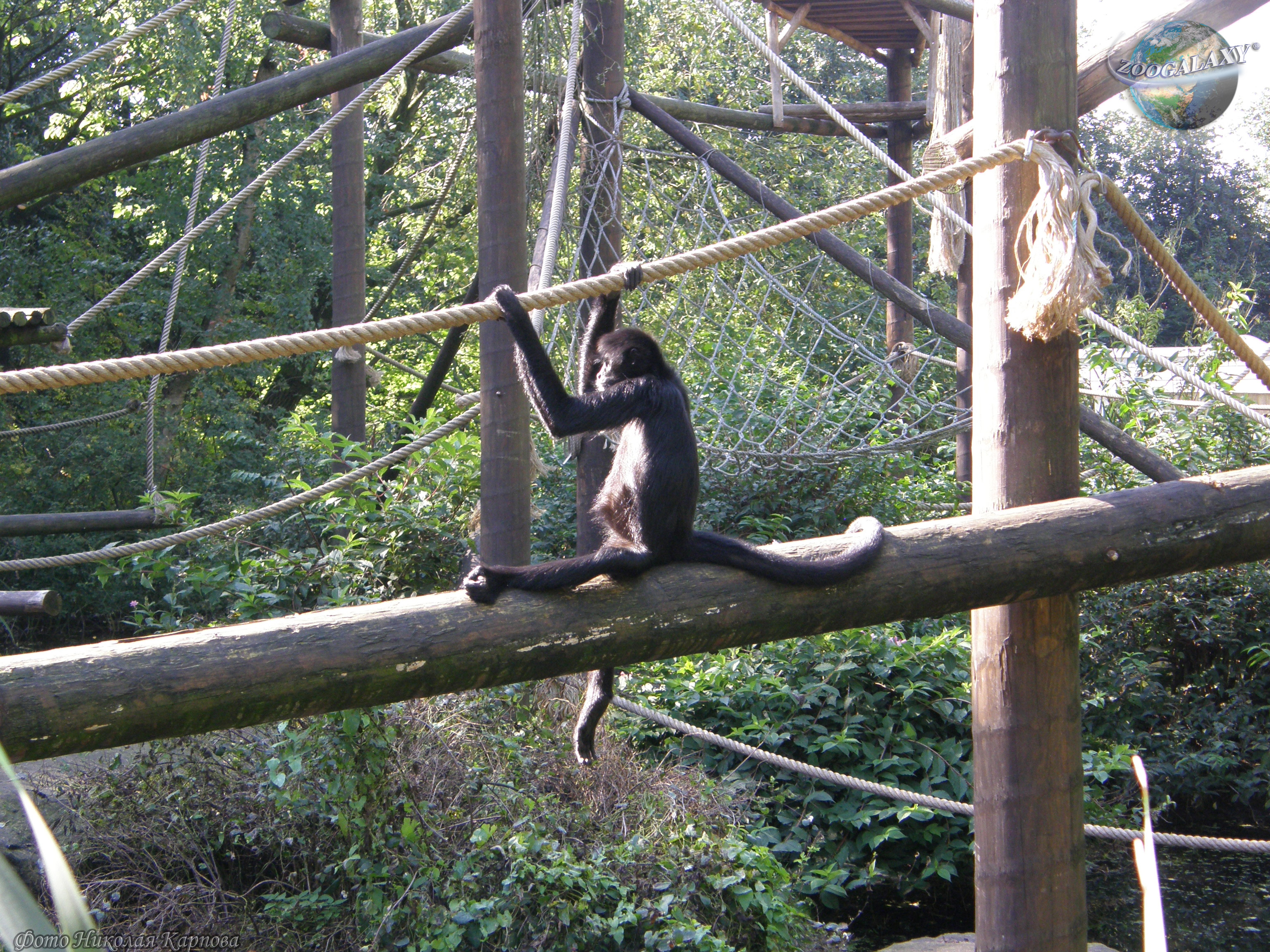
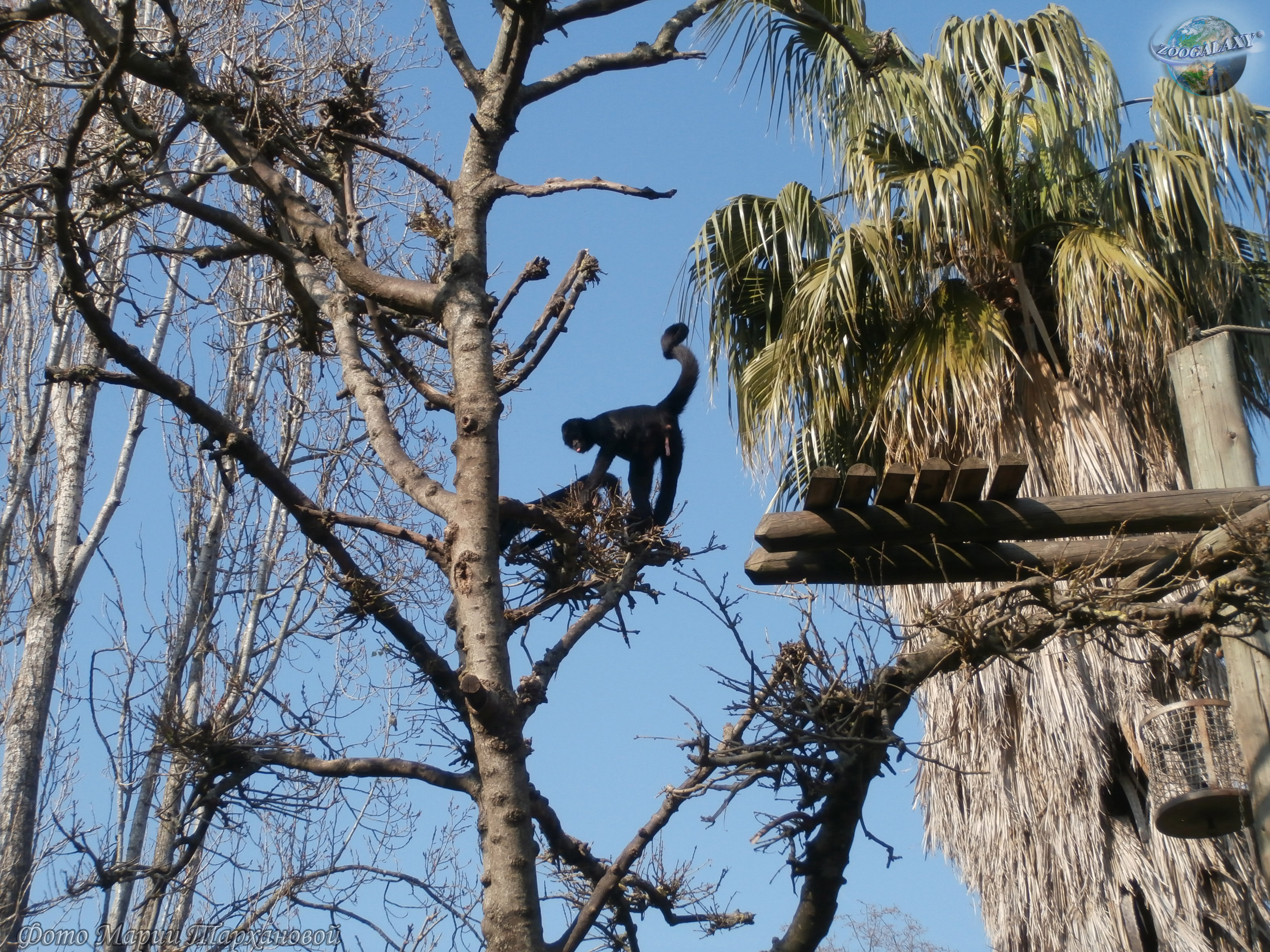
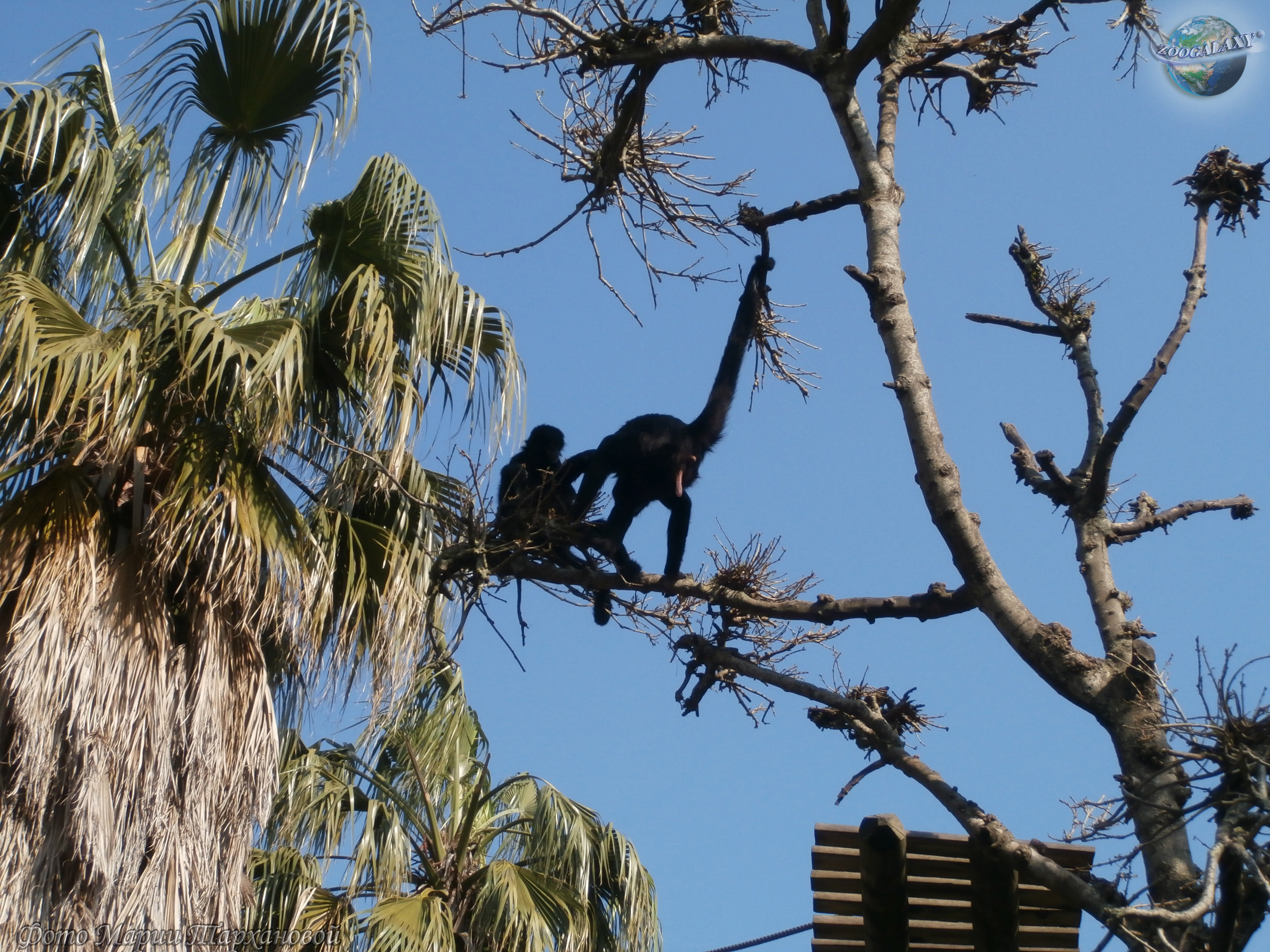
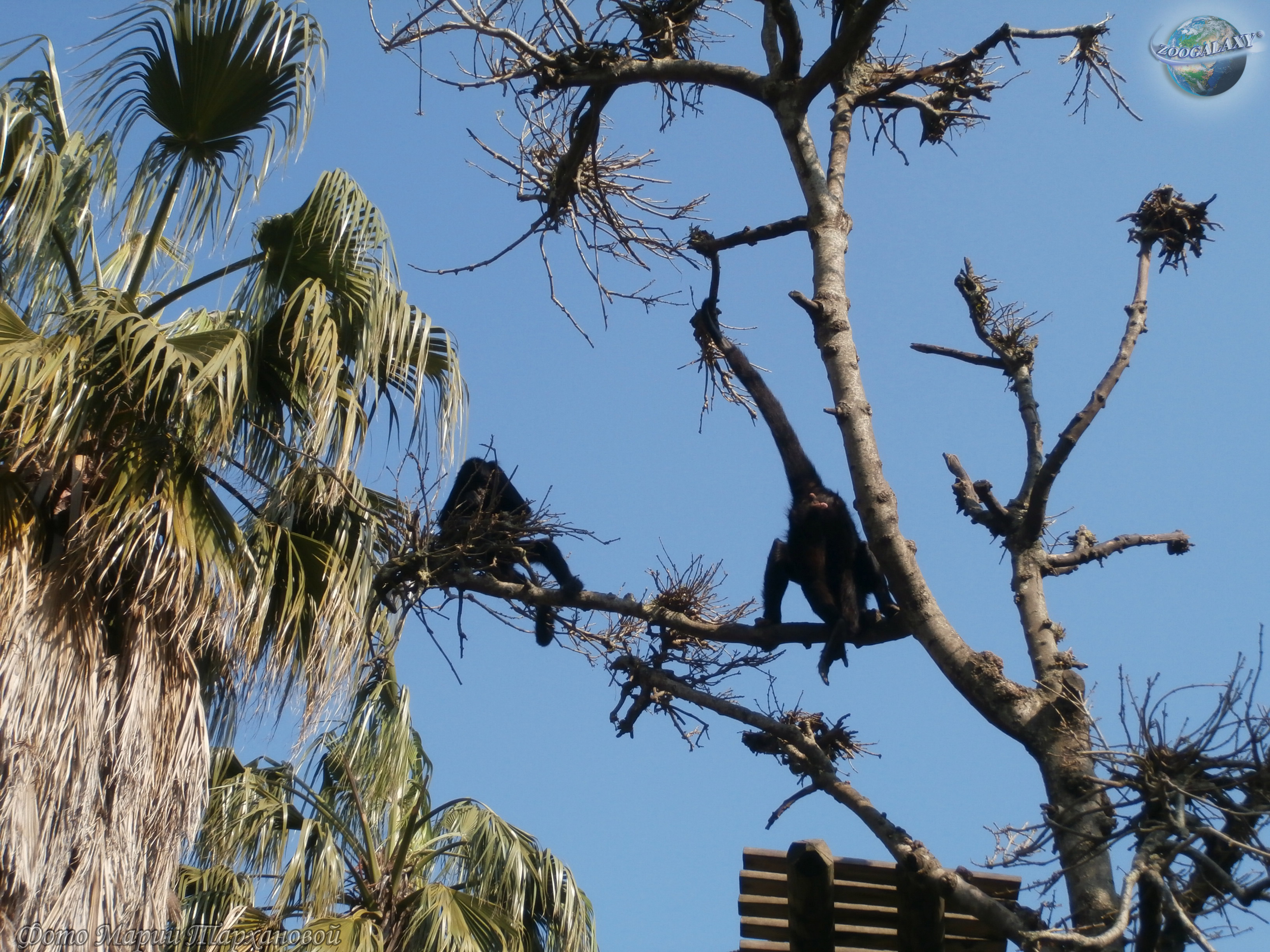
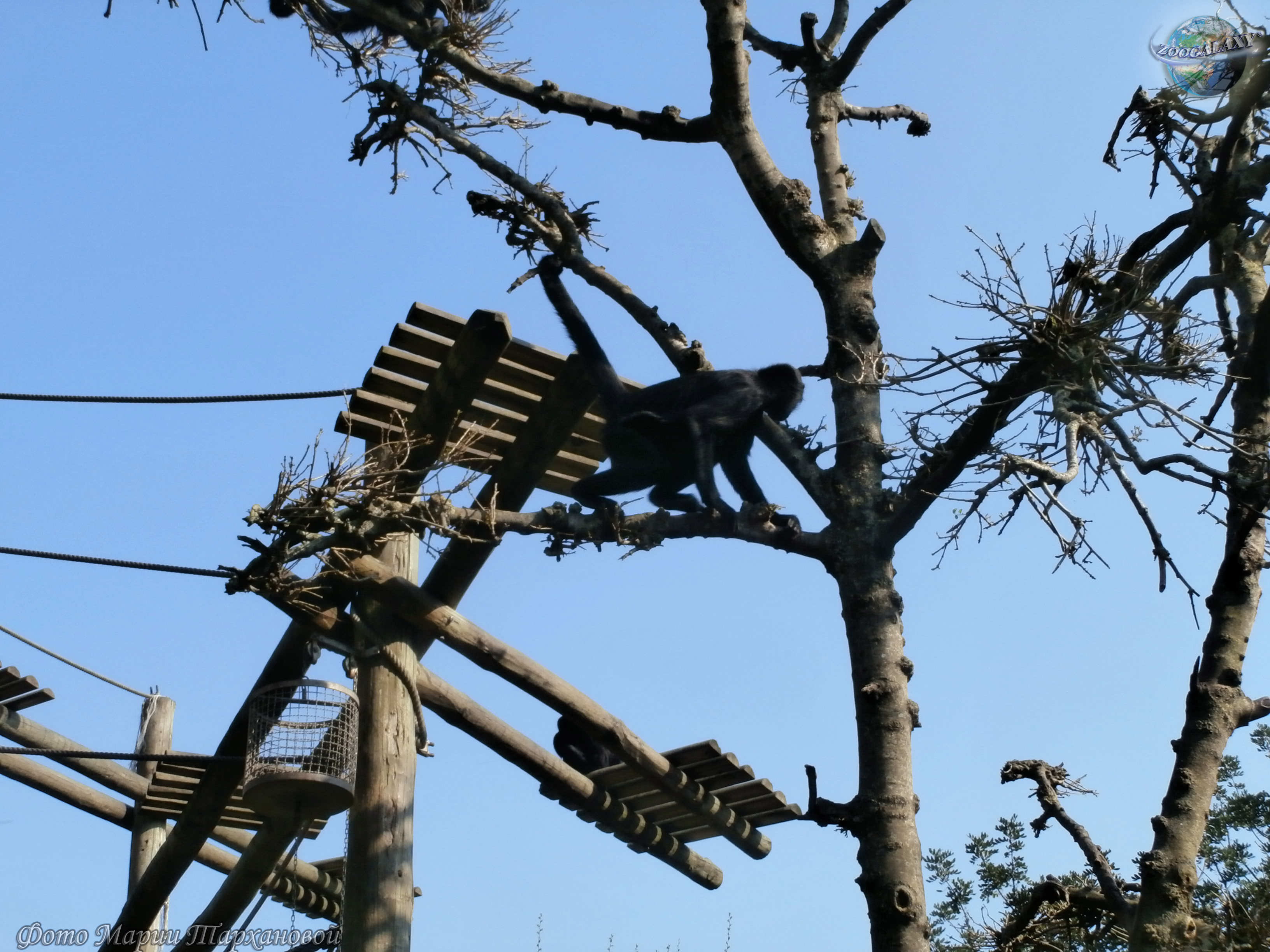
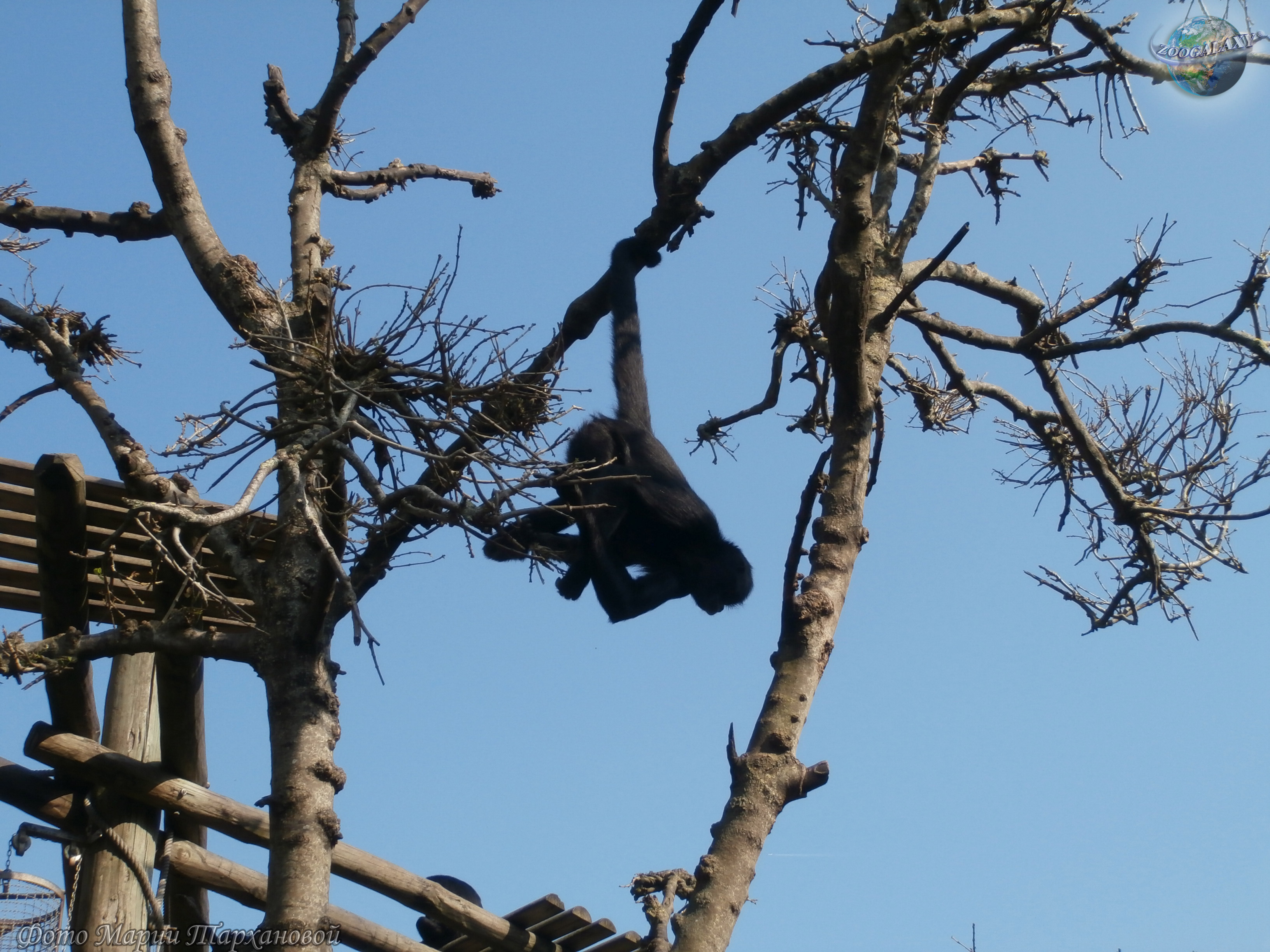
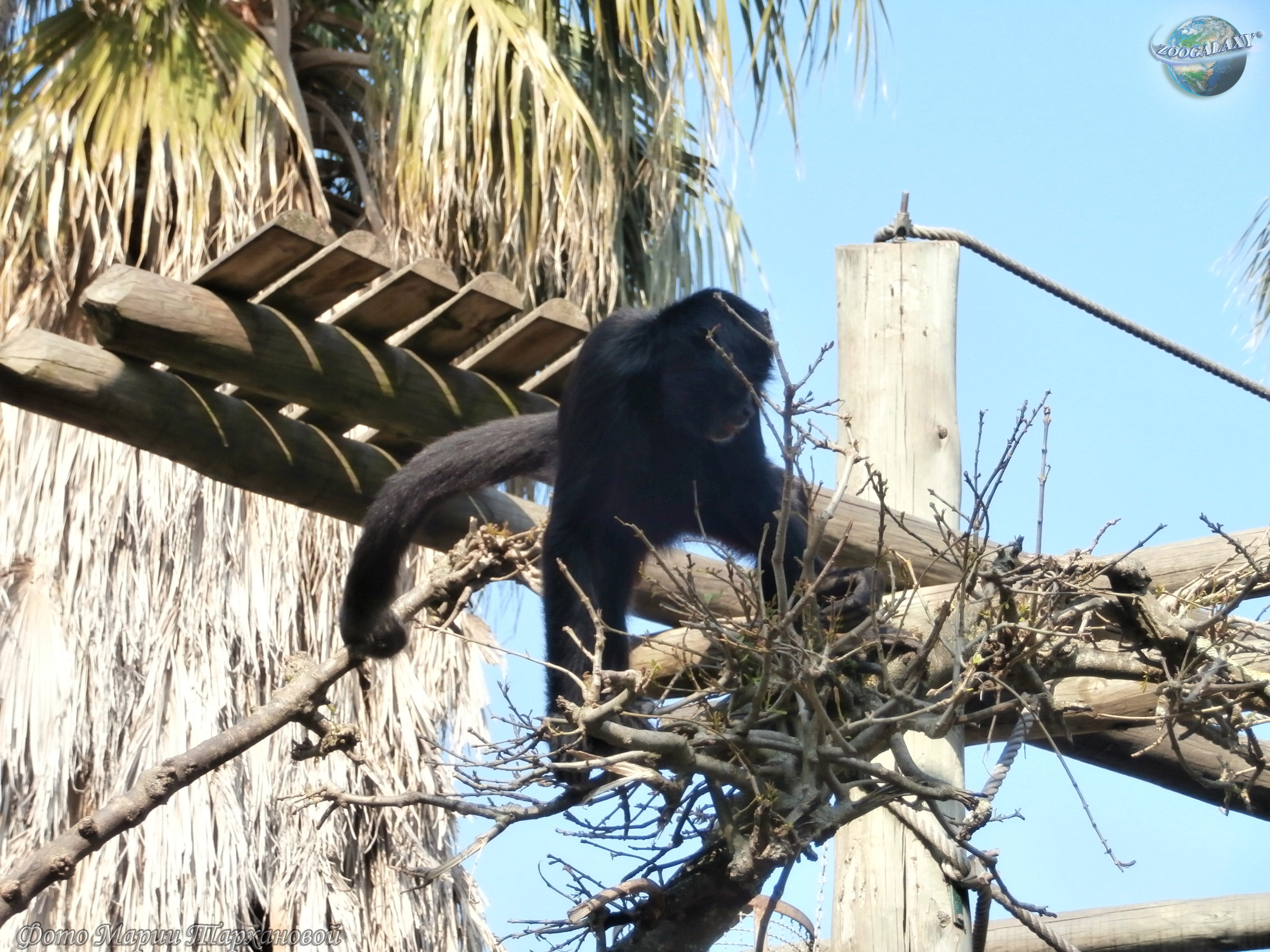
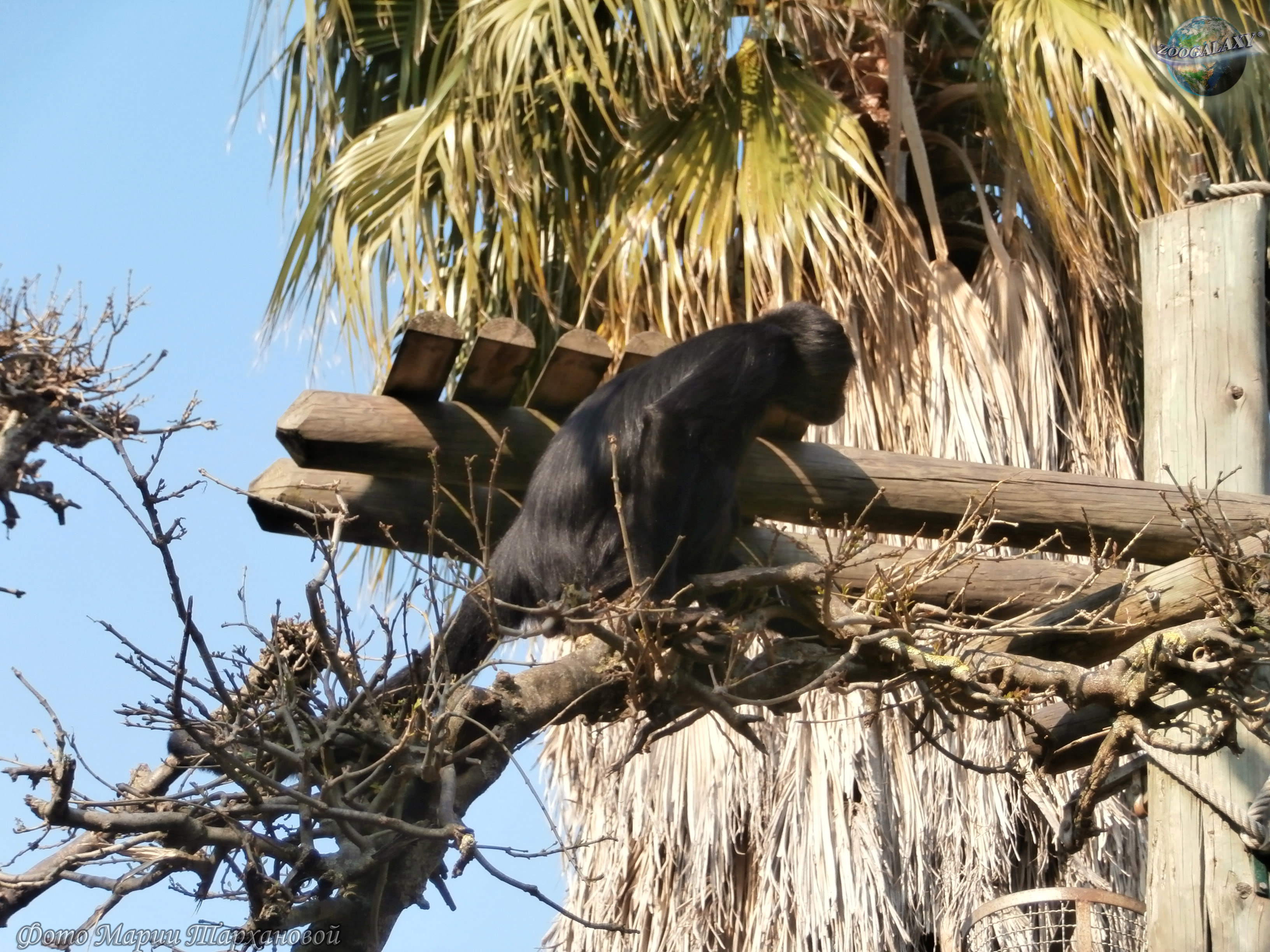

The black-headed spider monkey (Ateles fusciceps) is a type of New World monkey, from Central and South America. It is found in Colombia, Ecuador, and Panama. Although primatologists such as Colin Groves (1989) follow Kellogg and Goldman (1944) in treating A. fusciceps as a separate species, other authors, including Froelich (1991), Collins and Dubach (2001) and Nieves (2005) treat it as a subspecies of Geoffroy's spider monkey.
The two subspecies are:
- Ateles fusciceps fusciceps fusciceps - northwestern Ecuador.
- Ateles fusciceps rufiventris - southwest Colombia to eastern Panama.
Area habitat and nutrition
Ateles fusciceps is a species of platyrrhine primate member of the genus Ateles (spider monkeys). Ateles fusciceps are distributed from Panama to Ecuador and Colombia. These monkeys are mainly herbivores and about 80% of their diet consists of bark, honey, buds, flowers, nuts and seeds. Ateles fusciceps are particularly fond of ripe fruits, but also eat insects and sometimes bird eggs.
Social behaviour and reproduction
Ateles fusciceps are socially territorial animals, living in groups of up to 20 individuals divided into small subgroups (3-5 individuals each) that gather and eat fruit together. Subgroups are of various types: males only, females only (with or without young), both sexes. Males mark territorial boundaries by secreting scent glands in their chests. The female usually gives birth to a calf of about 400 g and feeds it with milk for 6-10 months. Once mature, males remain in the home groups in which they were born, while females leave them when they reach puberty.
Diet
The Black spider monkey is primarily frugivorous, with the consumption of fruit consisting of about 80% of their diet. the remainder of its diet is omnivorous and consists of leaves, nuts, seeds, bark, insects, and flowers.
Behavior
The black-headed spider monkey is arboreal and diurnal. The species is highly sociable, living in social groups with up to 20 individuals but travels in smaller groupings. Most travel is done by brachiating and climbing through woodland areas.
Reproduction
When mating, females may consort with a male for up to three days, or else mate with several males. Mating occurs with the male and female face to face, and can last for five to 10 minutes. The gestation period is between 226 and 232 days. The infant rides on its mother's back for 16 weeks, and is weaned at 20 months. Females attain sexual maturity at 51 months; males at 56 months. Females give birth every three years.
The black-headed spider monkey is considered to be endangered by the International Union for Conservation of Nature (IUCN) due to an estimated population loss of more than 50% over 45 years (2018–2063), from hunting and human encroachment on its range of habitation.
Captive black-headed spider monkeys have been known to live more than 24 years.