














The sitatunga Tragelaphus spekii
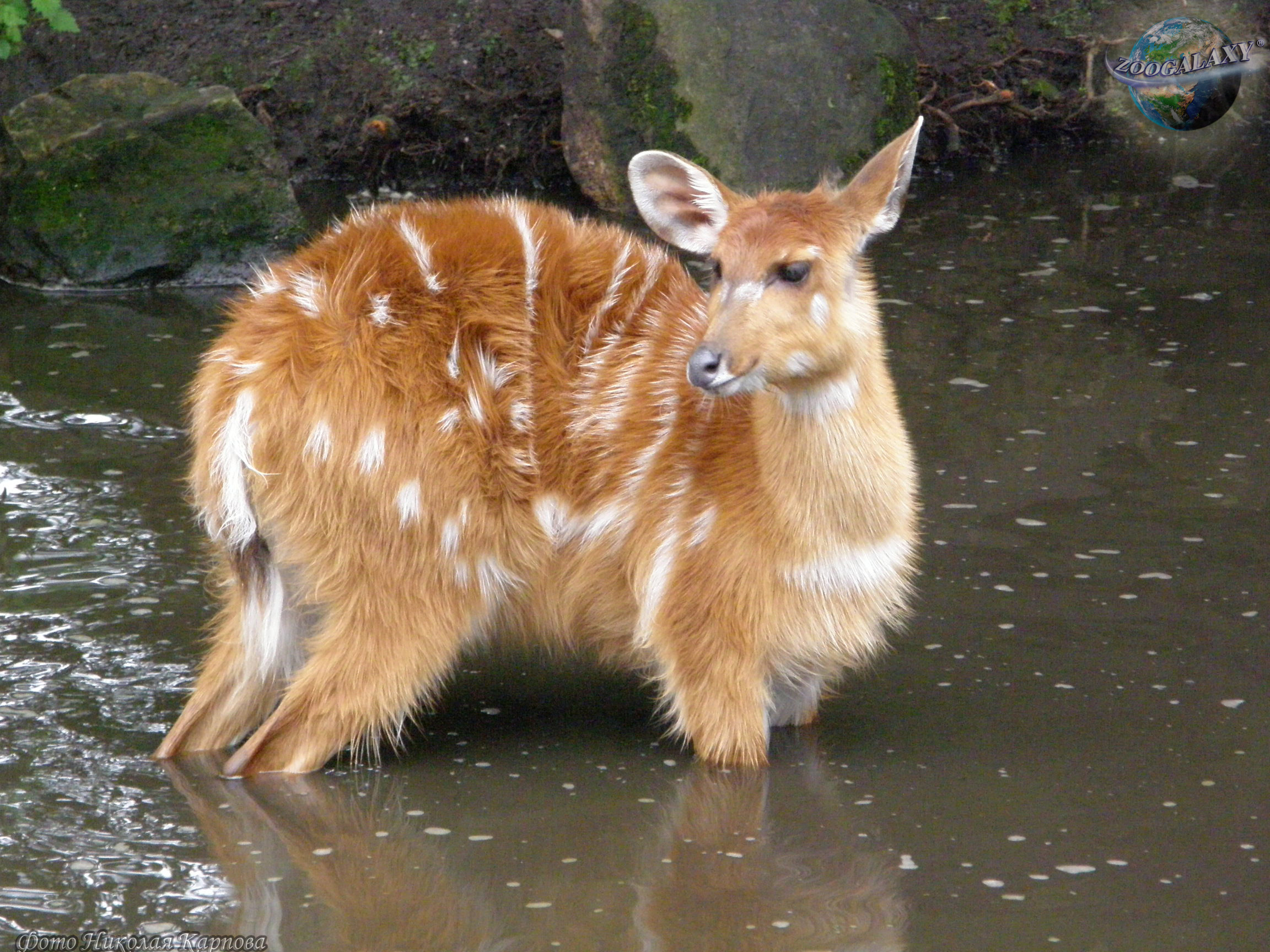

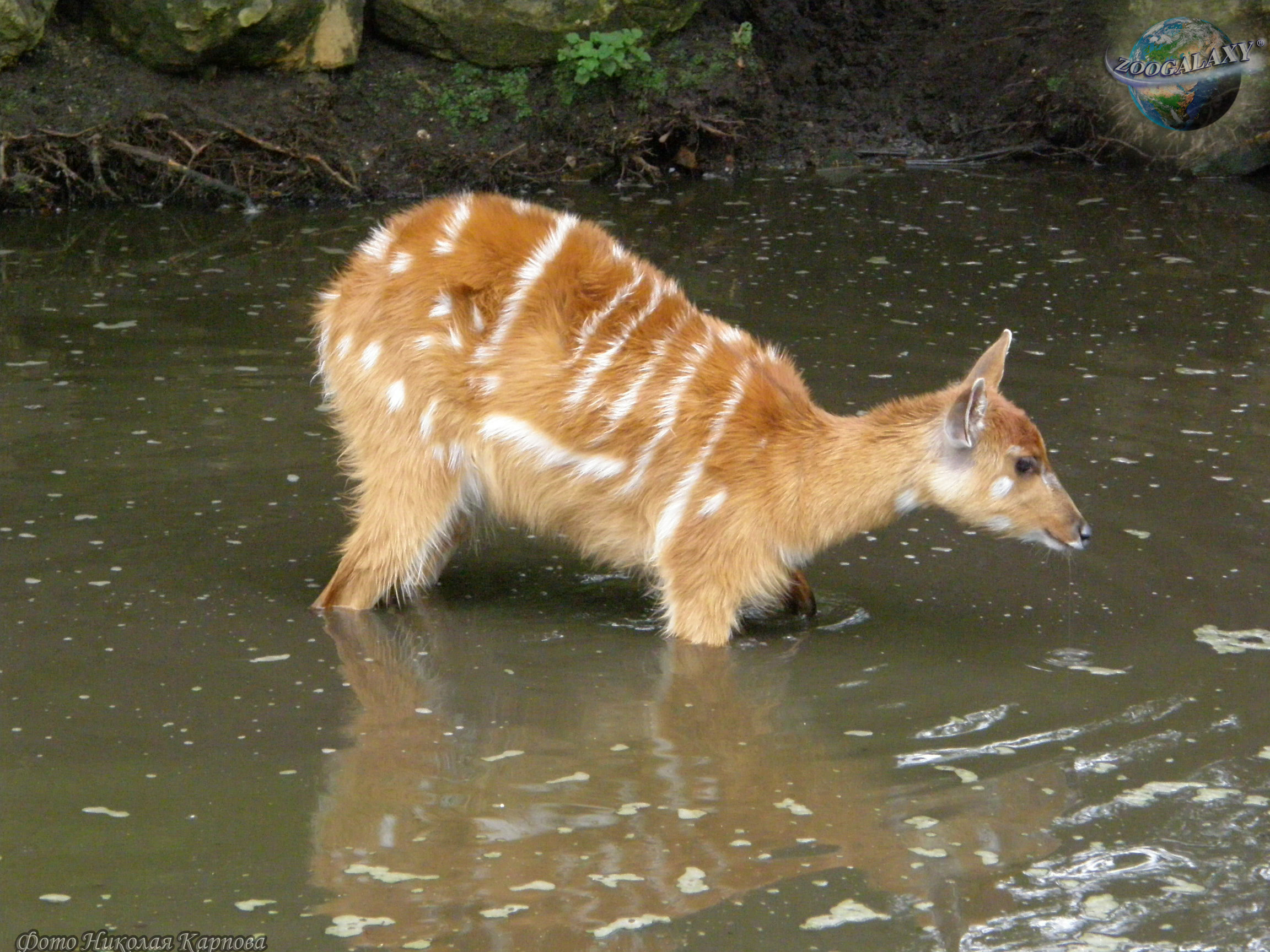
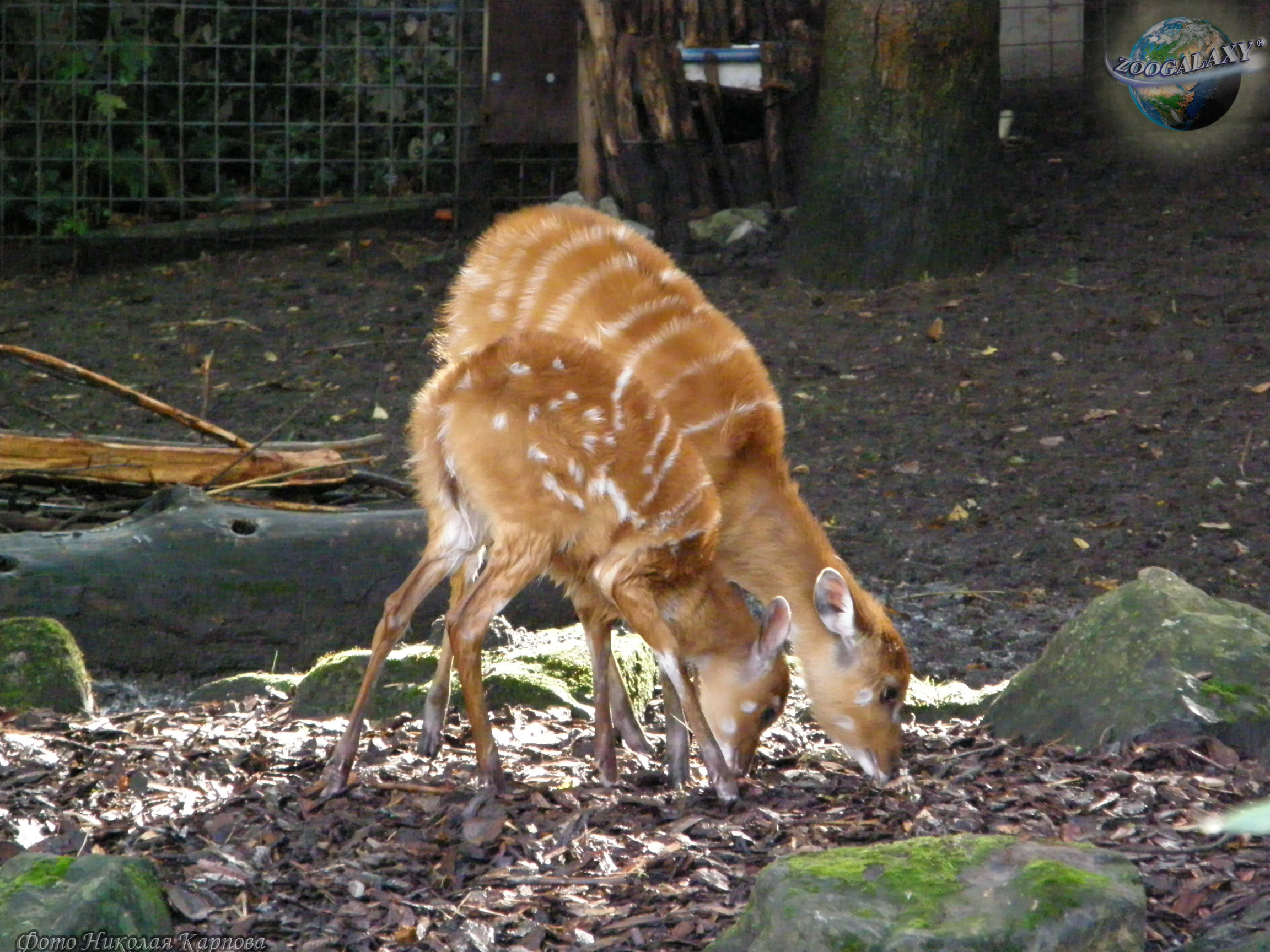
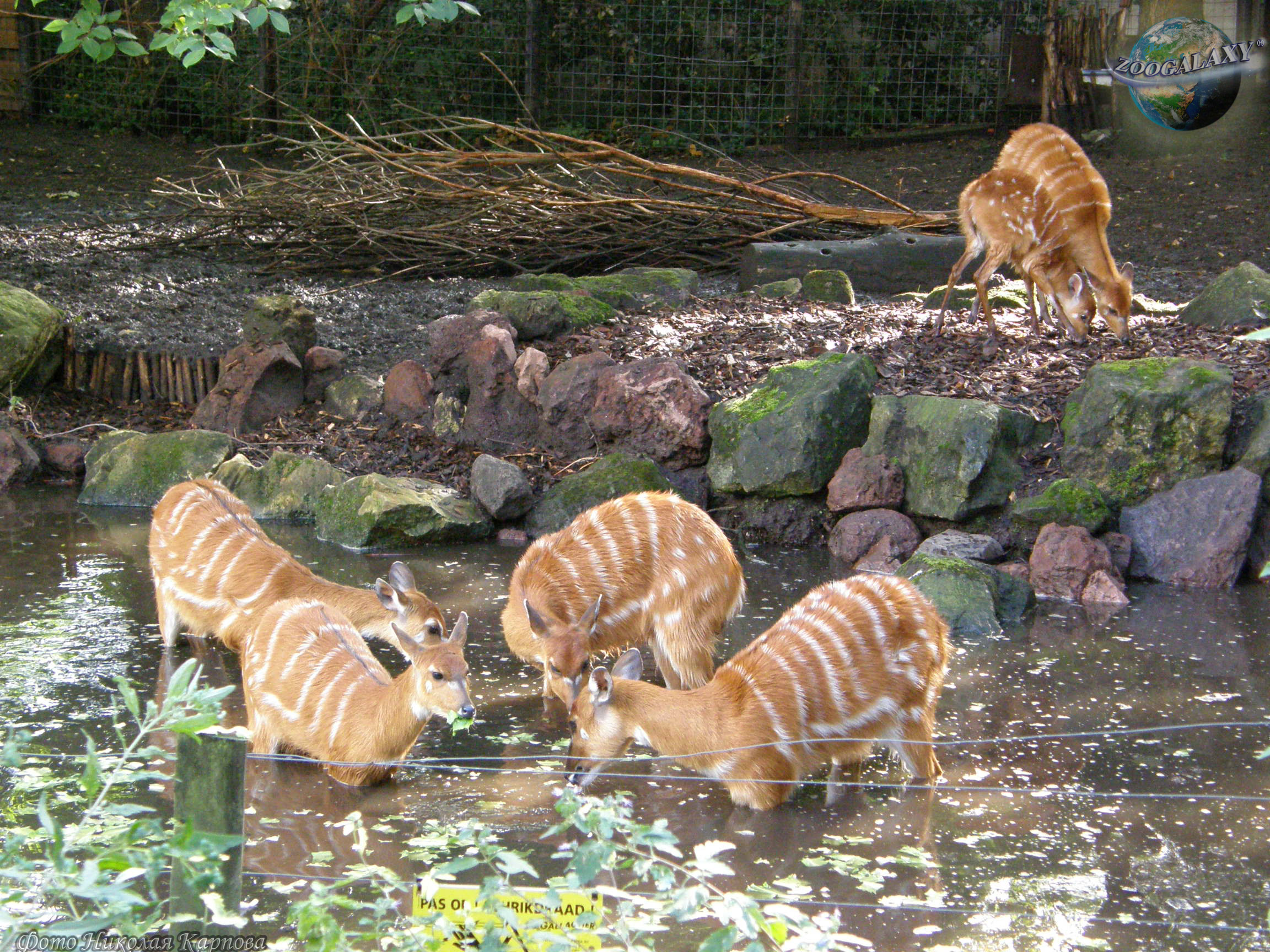
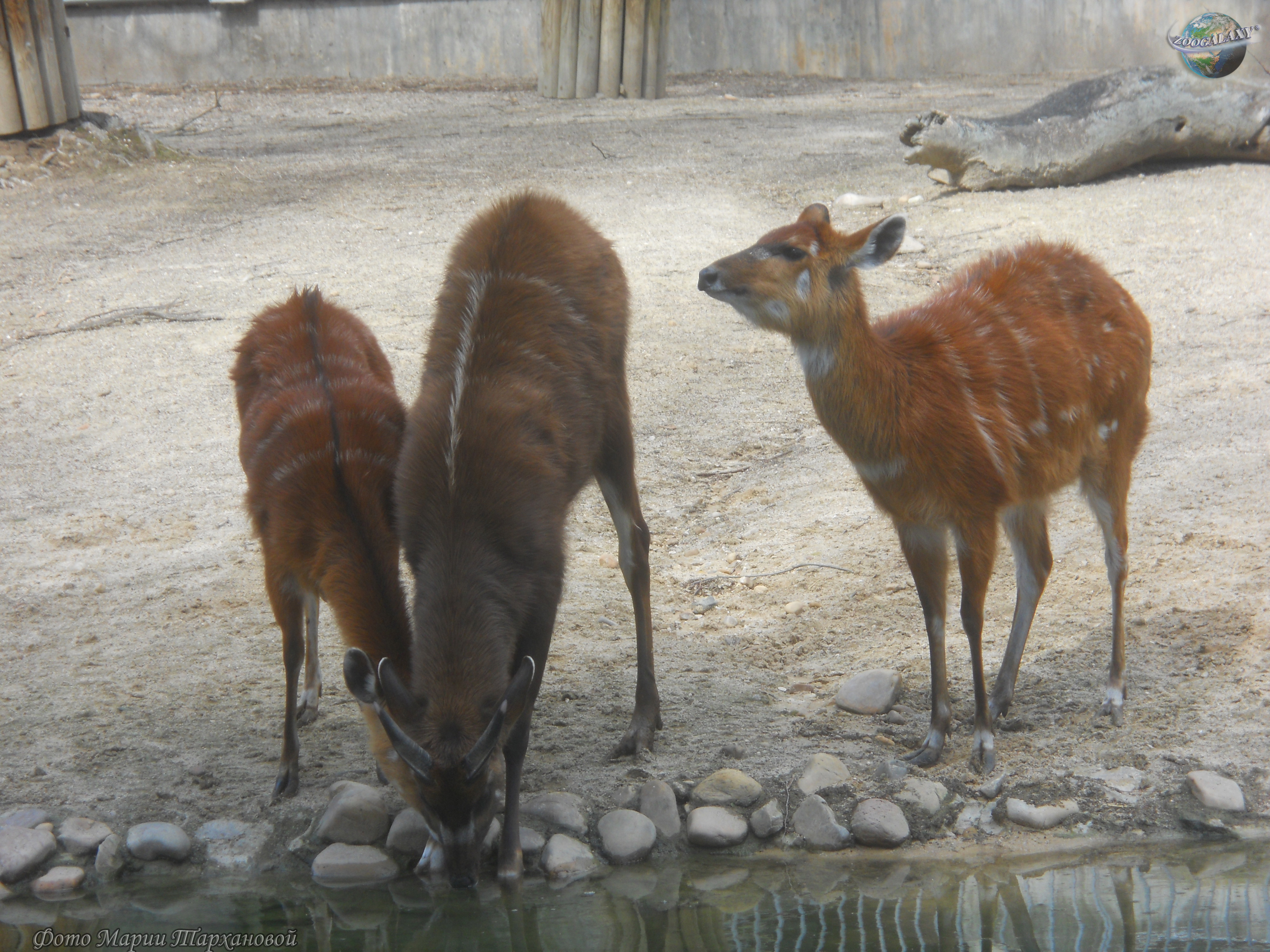
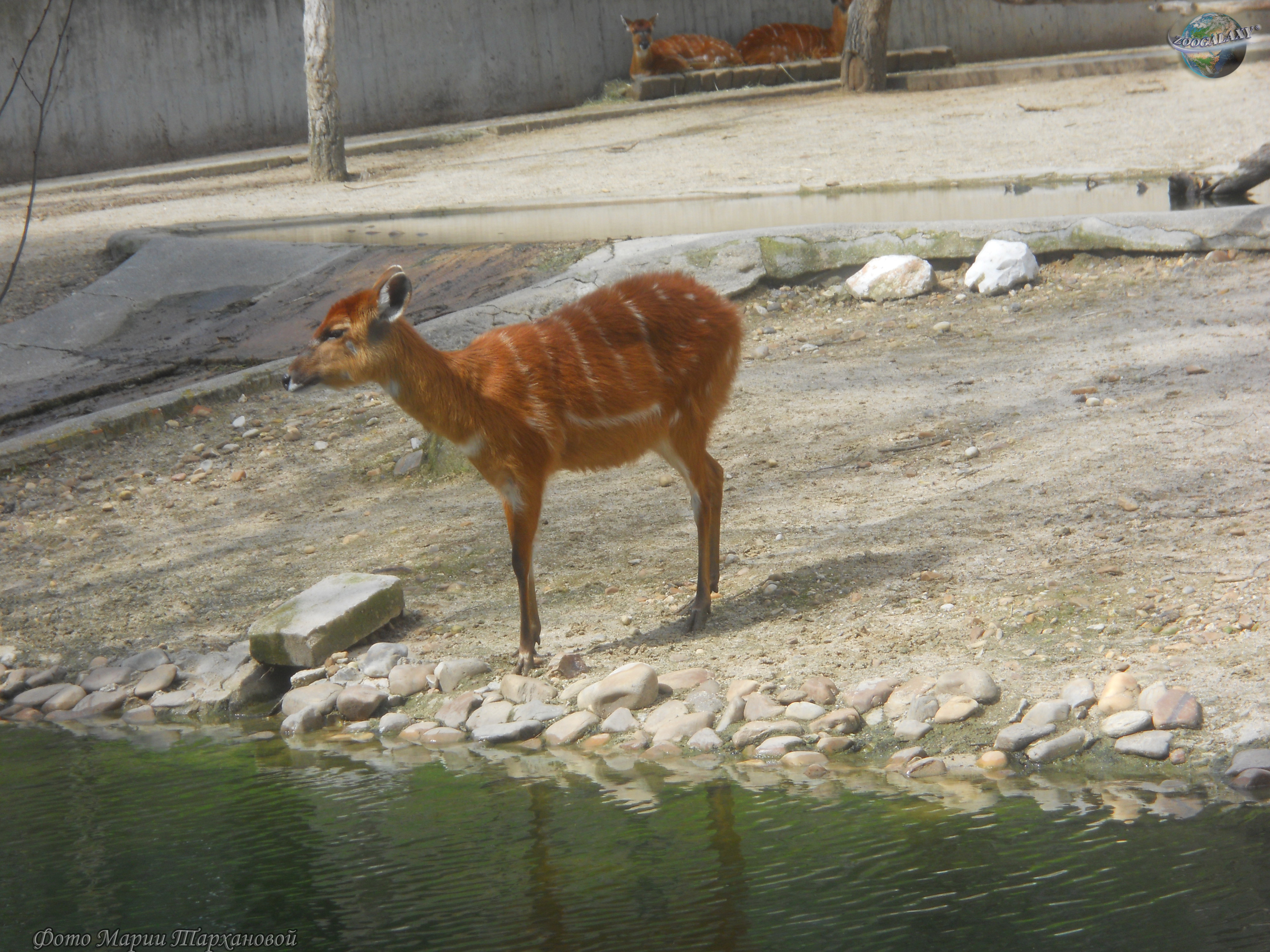
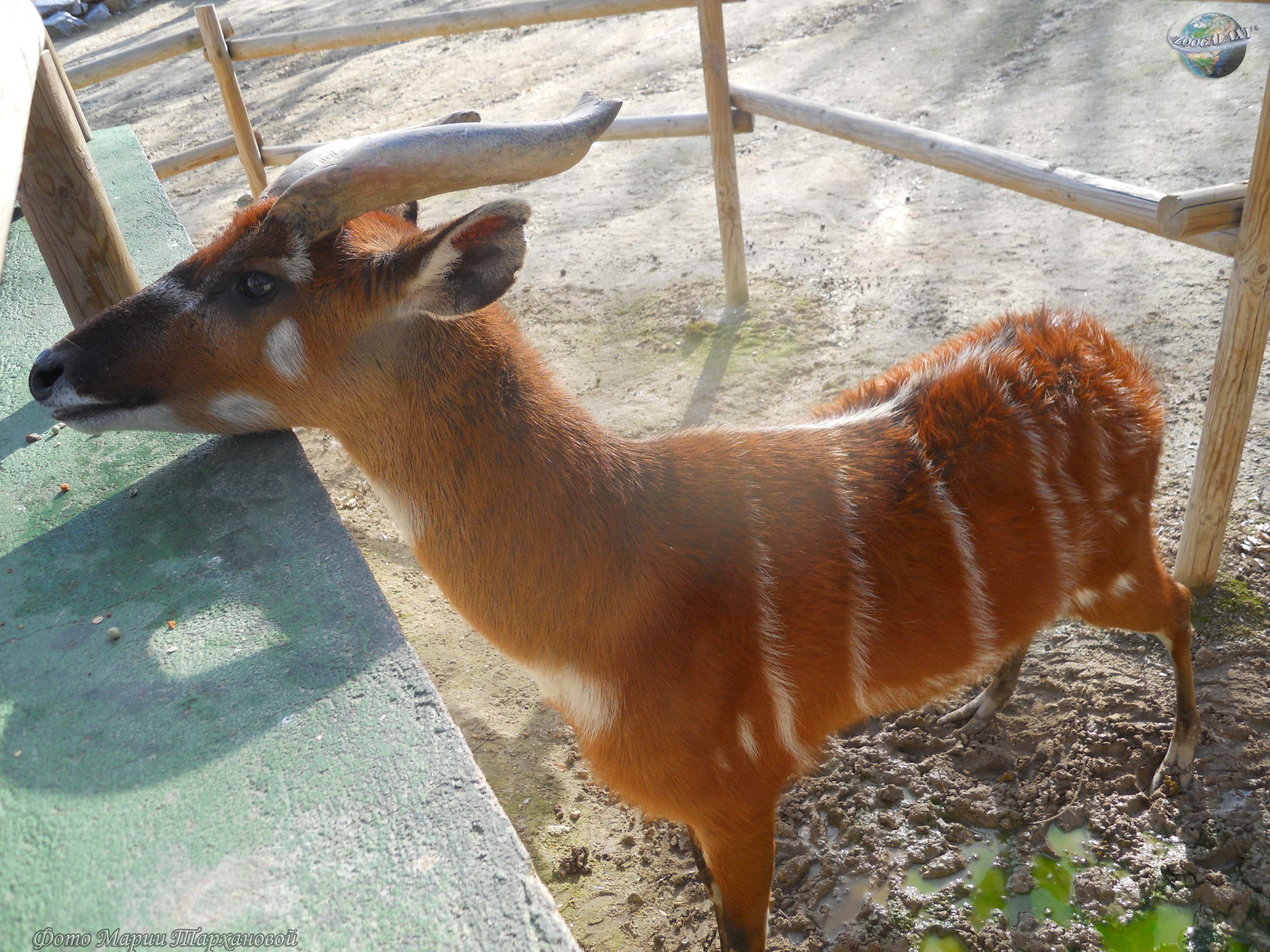
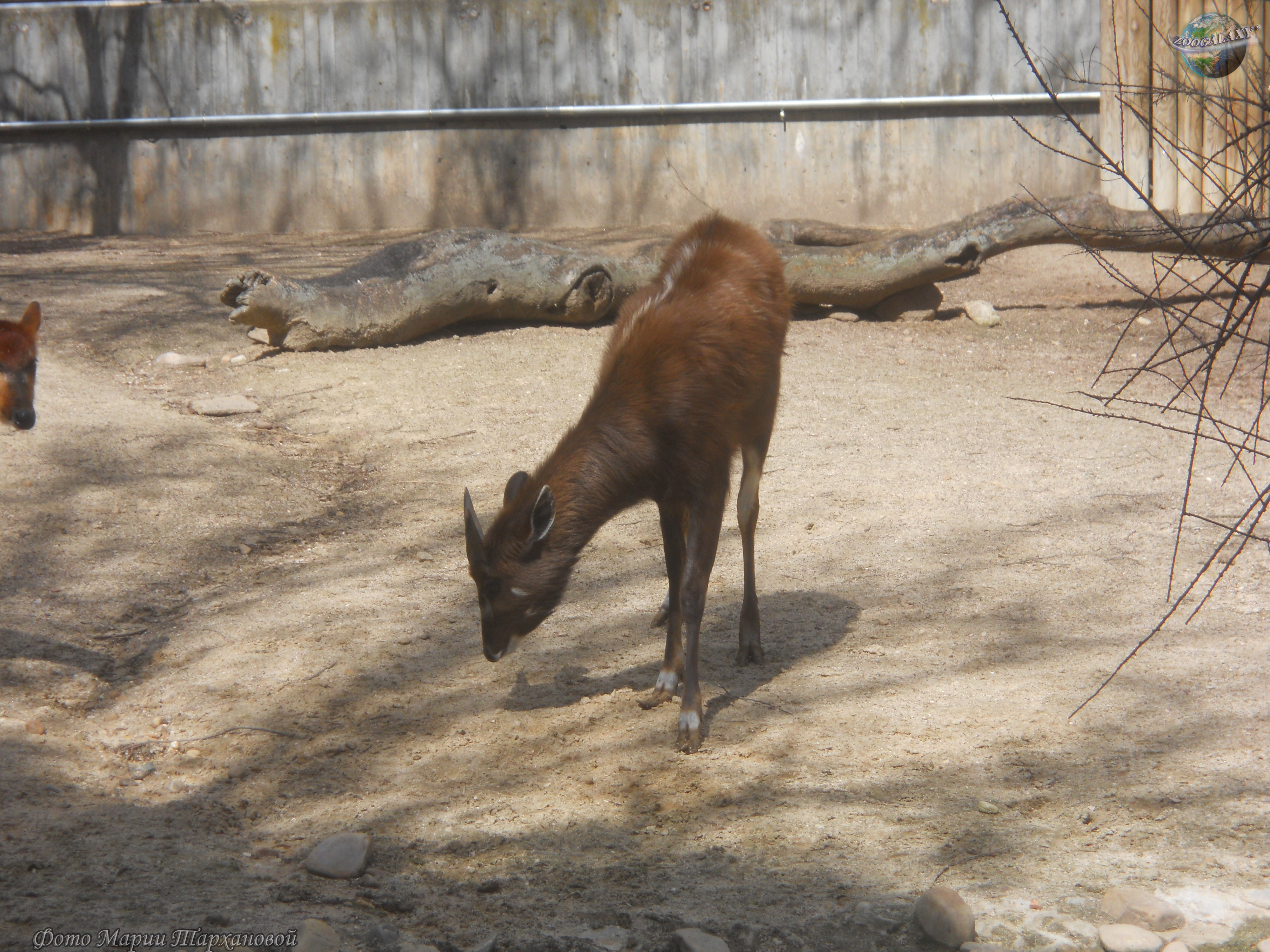
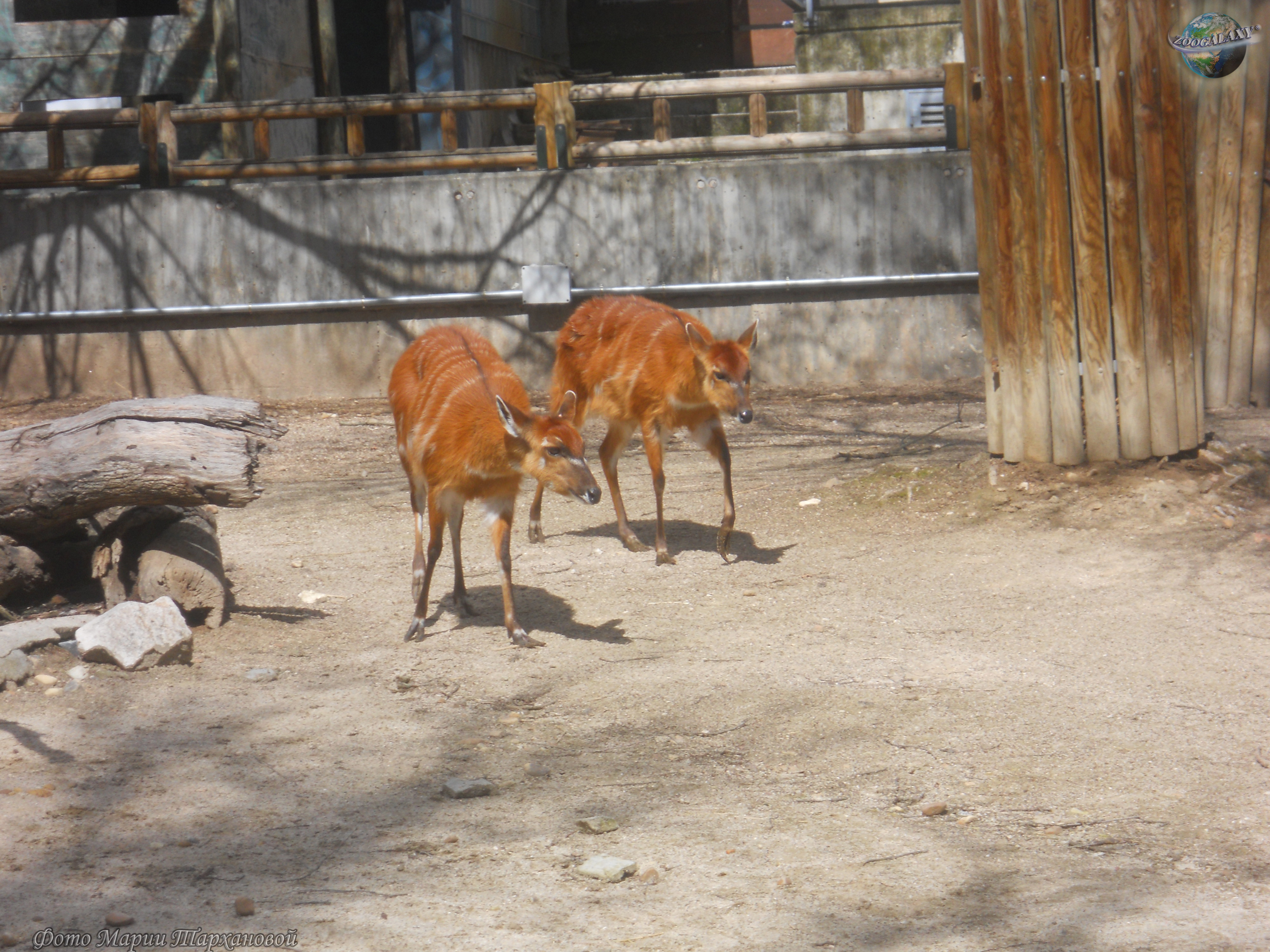
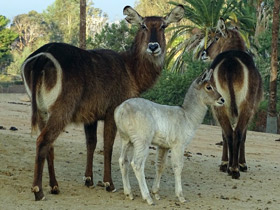
The sitatunga is a medium-sized antelope with dark coat; its shoulder height is about 1 m, body length, up to 170 cm and weight, about 125 kg. The coat of the sitatunga (this antelope is also known as the marshbuck) is very long, thick and shaggy. Only males have long horns measuring over 90 cm. The most distinguished physical feature of this antelope is its long (up to 10 cm), splayed hooves, which enable the animal to stand and walk on boggy and marshy ground. The sitatunga is widespread in Africa, from Sahara desert to northernmost South Africa, but its range is fragmented because its habitats are associated with marshy areas around lakes and along large rivers. The sitatungas strongly depend on water sources. These animals are good swimmers, which will flee into deep water when threatened. Sitatungas may dive and stay submerged underwater for a long time, with only their nostrils above the waterline. Sitatungas usually forage in tall sedges and grasses, showing preference for reed and papyrus thickets, where the depth of the water reaches half a meter. Statungas are diurnal; they feed on aquatic plants, and papyrus and reed sprouts. These antelopes range alone or, sometimes, in small groups. Gestation lasts seven months and results in the birth of twins or a single calf. Similar to the calves of other forest antelopes, the calf is hiding after birth and its mother needs to find it in the thickets for suckling; it lasts for about six months, at which time the calves are normally weaned. Young females reach sexual maturity by the age of one year, young males, one year later.
Local people successfully hunt sitatungas, using dogs or spearing these antelopes from boats in open water, therefore these animals are rare and need protection. Sitatunga populations have completely recovered only on the islands in Lake Victoria.