














The European bison Bison bonasus
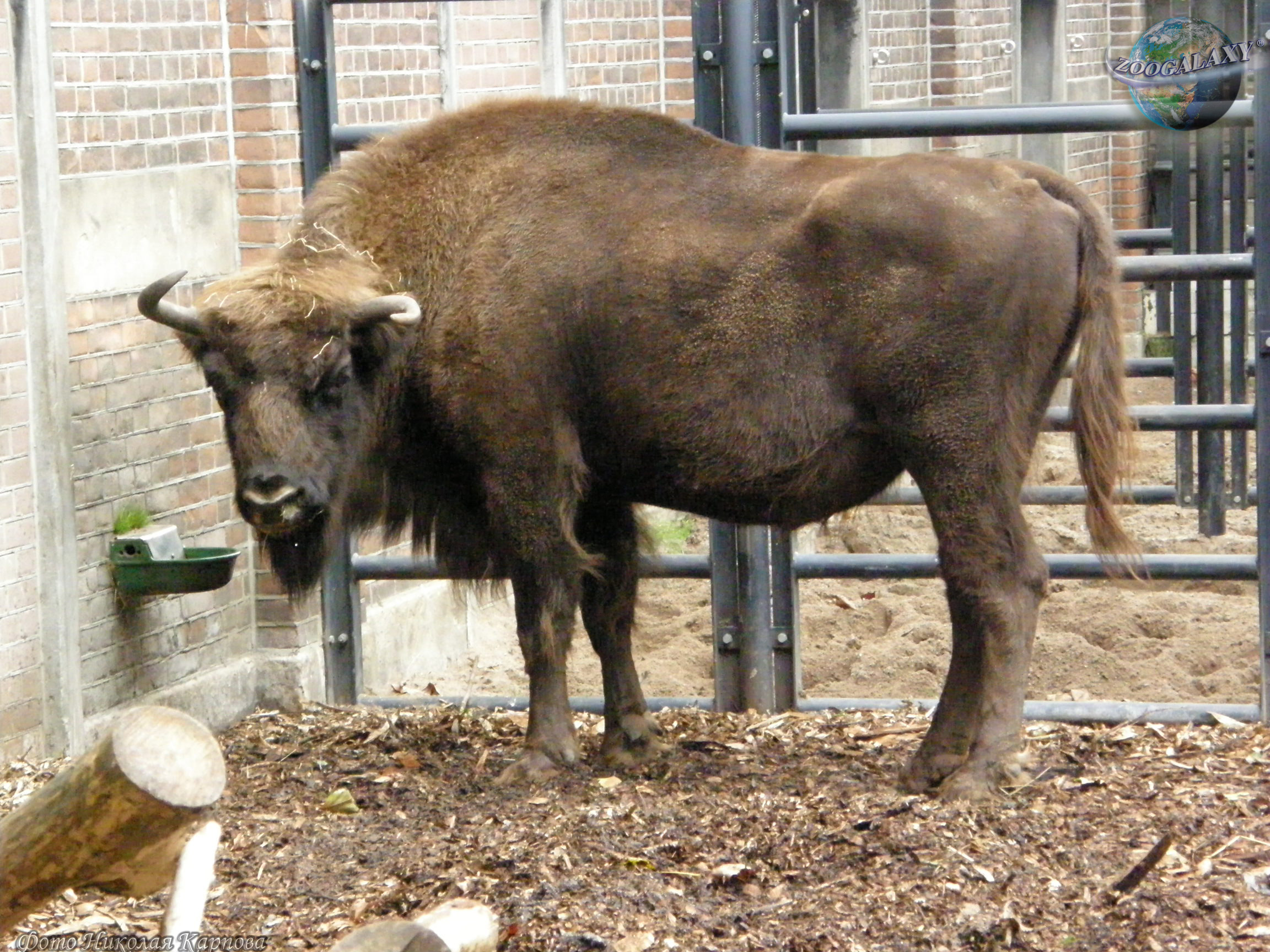
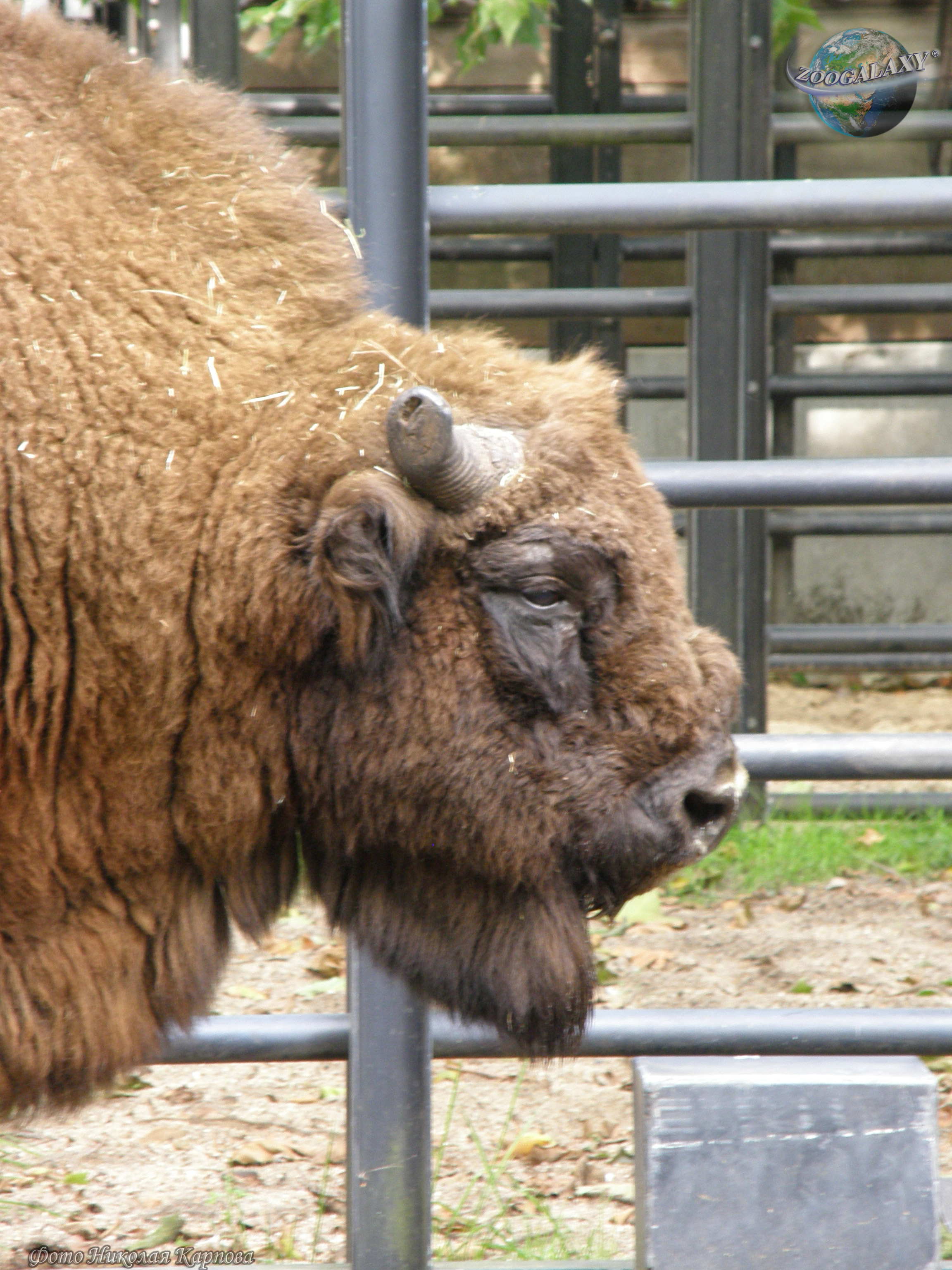
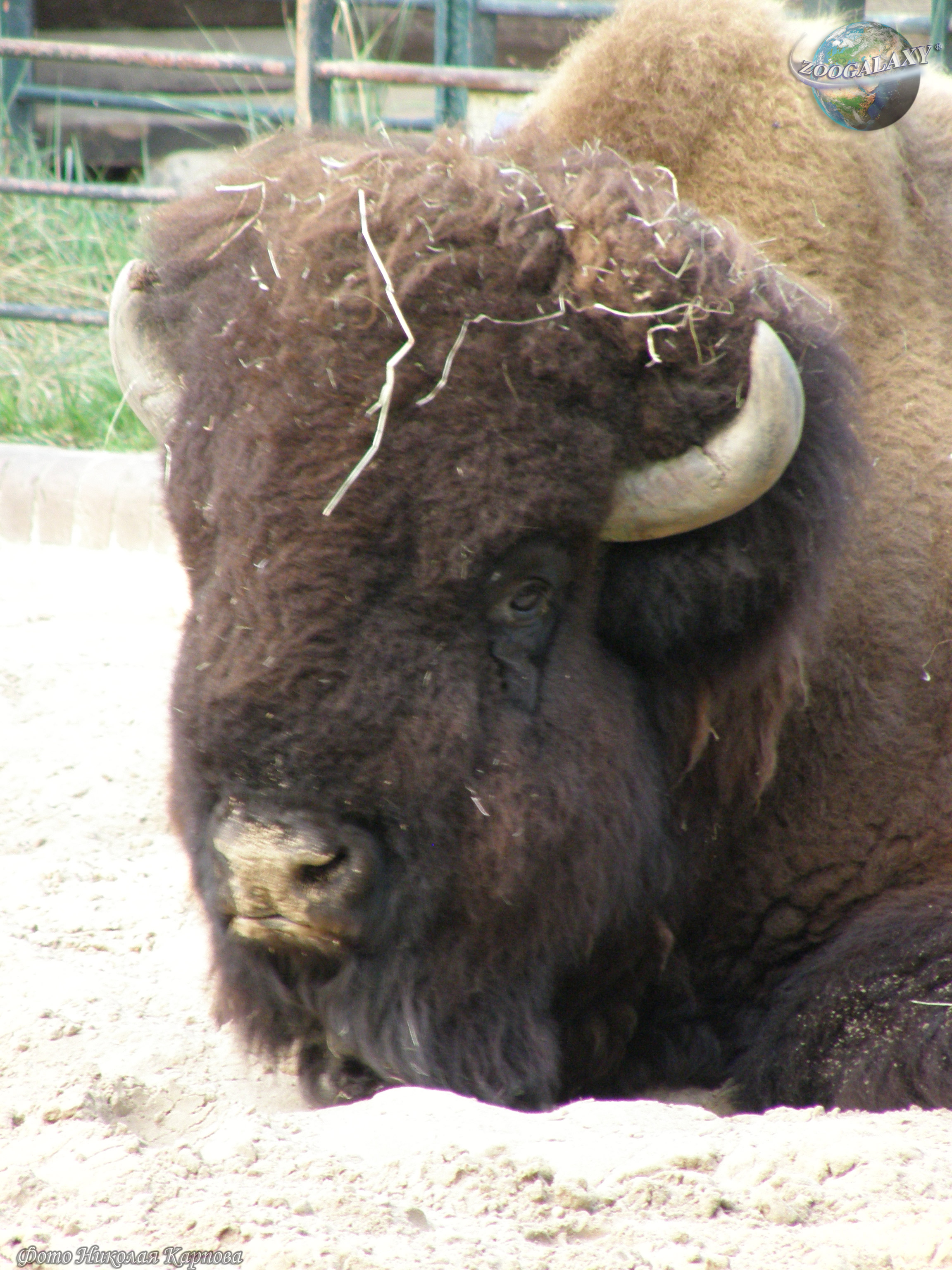
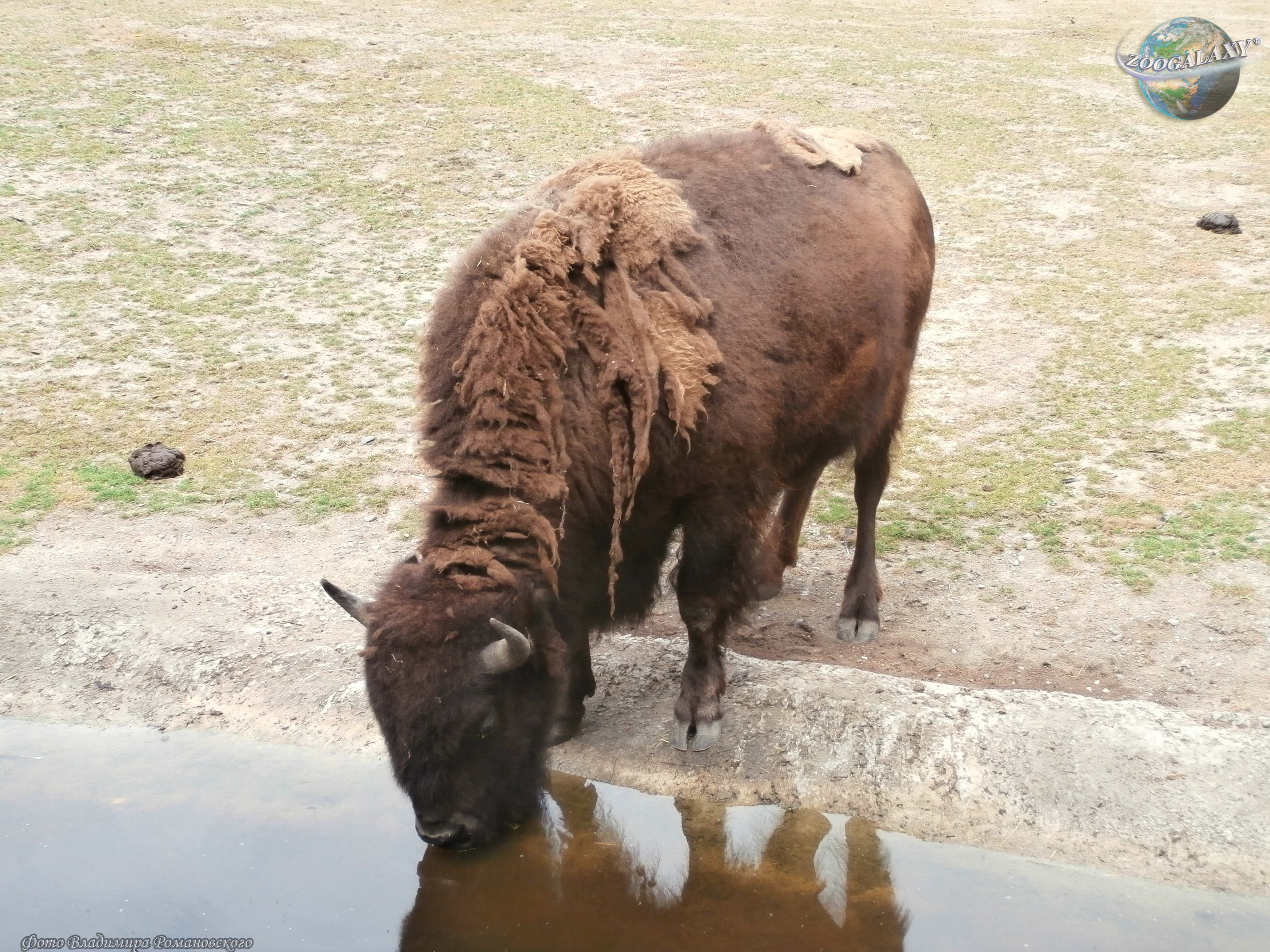
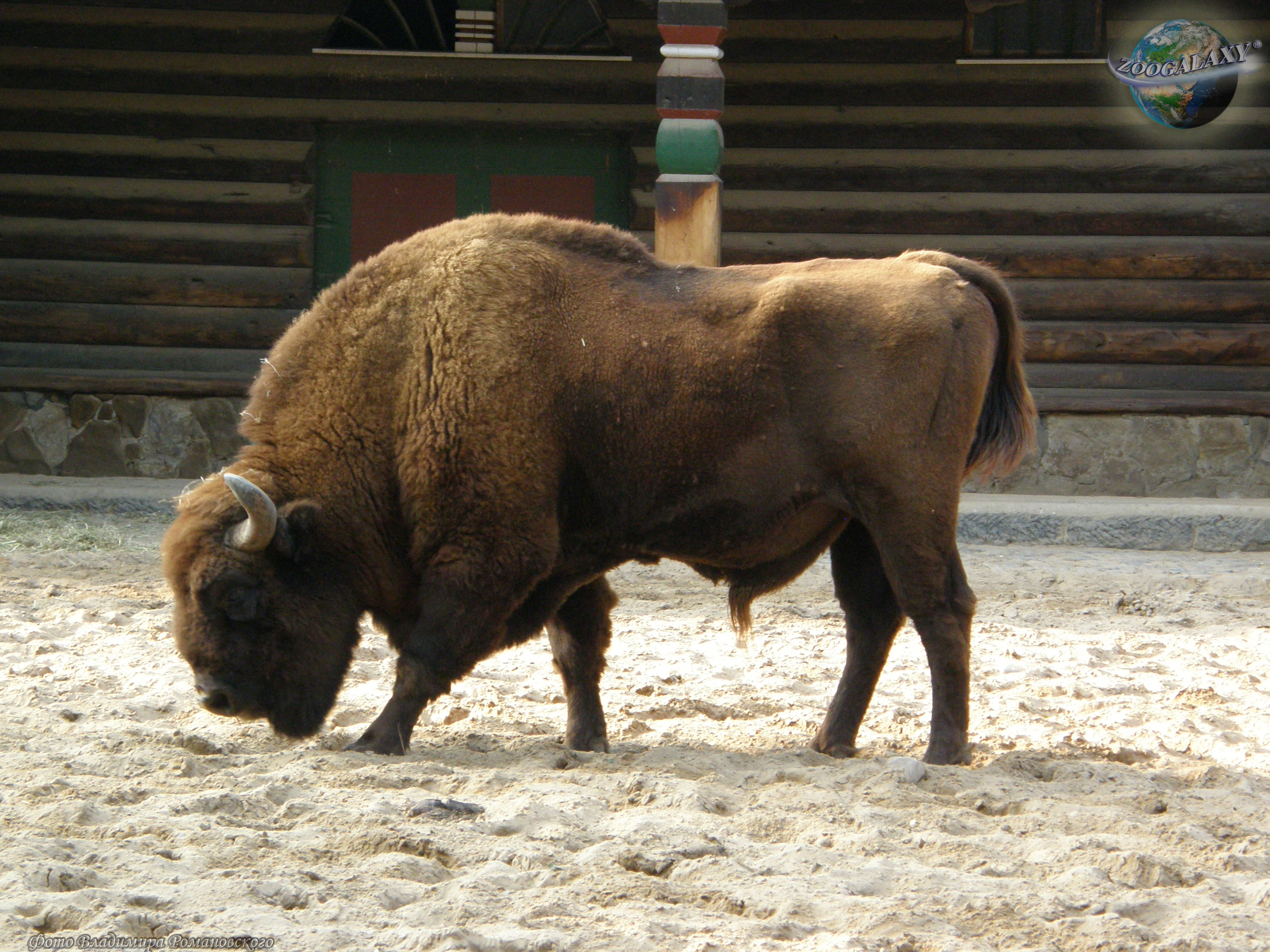
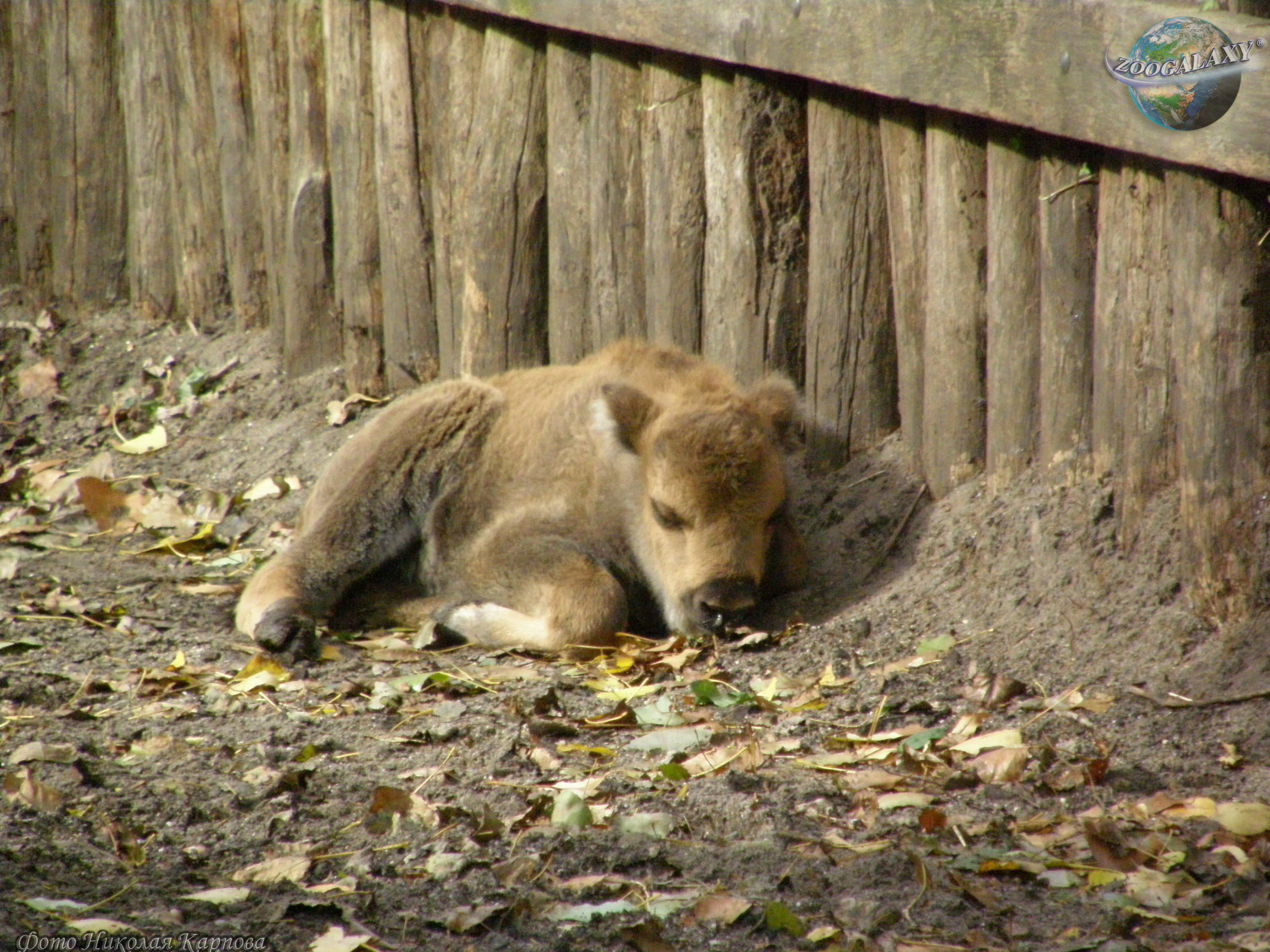
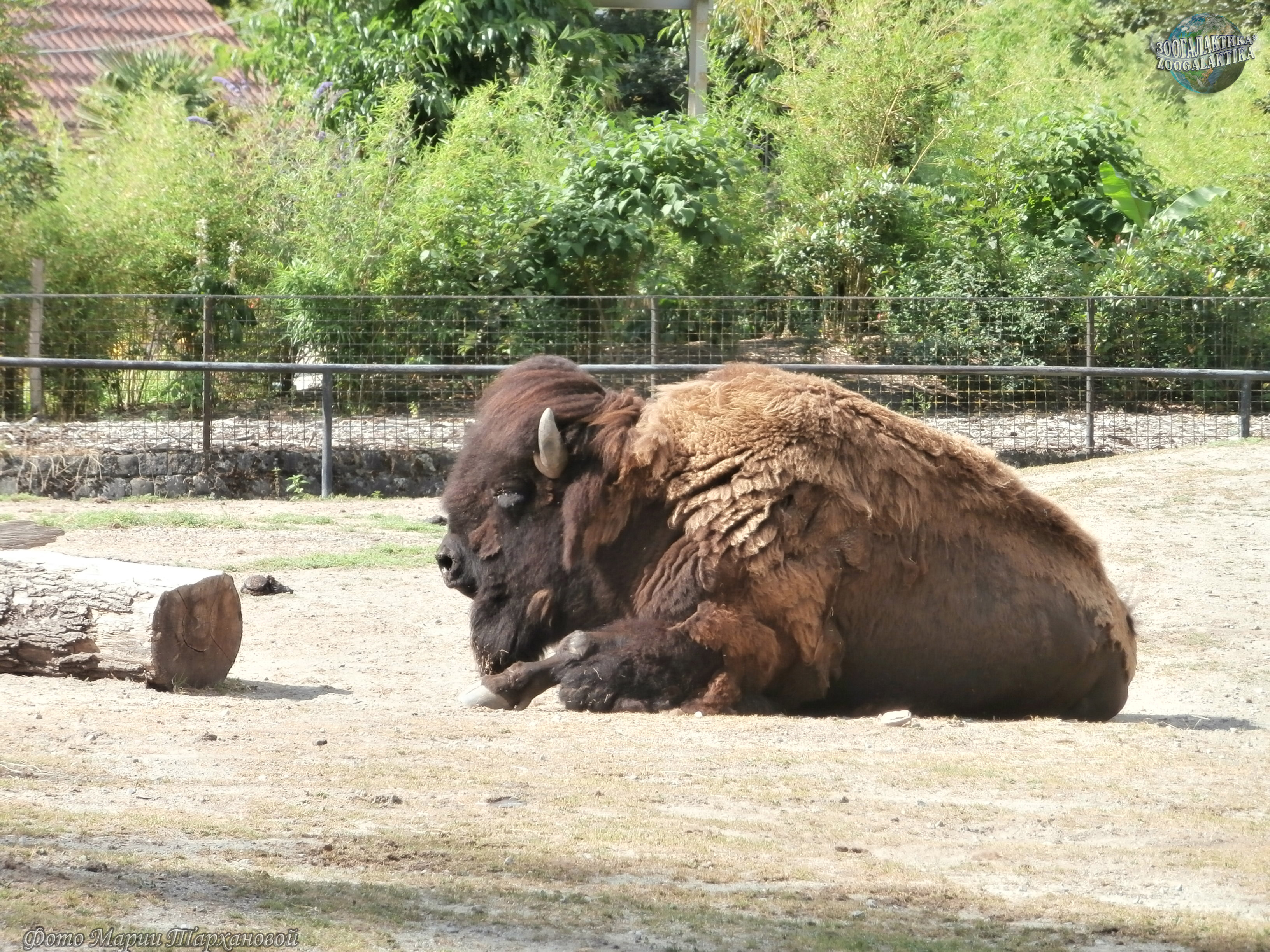
The European bison, or wisent, is the only extant species of wild bovids in Europe. For most peoples the wisent was not only a game animal. This powerful and magnificent creature was worshiped and regarded as an animal of traditional cultural value, and symbol of nature. The European bison is the heaviest surviving wild terrestrial animal on European continent; largest males may weigh 850 kg, and even 1,200 kg! Massive stature of the wisent seems to be especially pronounced due to the very heavy front with high shoulders and a hump, and large head with broad forehead. A thick, dark brown, shaggy mane covers the head, neck, and front legs. Both males and females have short black horns that curve inward and upward. The horns are permanent and do not change through the animal’s life. Despite its huge bulk, the bison can run a distance of 100 to 200 meters at a very high speed. Wisents have the ability to jump straight up in the air, up to 2 meters upward, and up to 5 meters long, and they can easily leap over a fence. The European bison is smaller in stature than its American cousin. It also has smaller head, longer and thinner horns, longer legs and tail, more developed rear part of the body, and slightly lighter and shorter coat. The wisent often browsers on twigs and leaves (wisents may eat over 200 plant species). During the rutting season, the bull controls a “harem” of 2 to 6 females. The mother leaves the herd to give birth to her calf, which weighs about 22 kilograms. The calves will nurse for 5 to 6 months, and sometimes for up to one year but they start grazing on grass at the age of 2 to 3 weeks. Sometimes the calf stays with its mother for two years, although the female may produce new offspring next spring. European bison reach sexual maturity in 1.5 to 2 years but they become fully grown only by the age of 5 to 8 years.
At one time, the European bison ranged in Central and Western Europe from Germany and Hungary to the basins of Don and Caucasus Rivers. By the end of the 19th century, there were only two populations of European bison left in the wild: in Bialowiezhskaya Forest and in the western Caucasus mountains. Of course, the extinction of this species in the wild was human’s fault. Such factors as poaching, habitat destruction (logging and burning of forests), freewheeling shooting of animals in the times of wars, civil disturbances, and revolutions all were the factors that have led to the extinction of this species by 1927. In 1926, the survey of captive wisents demonstrated that there were only 52 specimens kept at the zoos and wildlife parks and all of those animals originated from 12 founders (5 bulls and 7 cows) which were kept in European zoos in the beginning of the 20th century. As a result of captive breeding, reintroductions, benign introductions, and intensive conservation management, the European bison were saved as a species and reintroduced to their historical habitats in the natural reserves of Poland and former USSR. Now the European bison occurs in free-ranging and semi-free herds in Poland, Lithuania, Belarus, Russian Federation, Ukraine, and Slovakia. The total population of free-ranging bison currently stands at about 1,500 animals. The European bison is listed in the IUCN Red List of Threatened Species as “vulnerable”.