














The northwestern wolf, the Mackenzie Valley wolf, Alaskan timber wolf, or Canadian timber wolf (Canis lupus occidentalis)
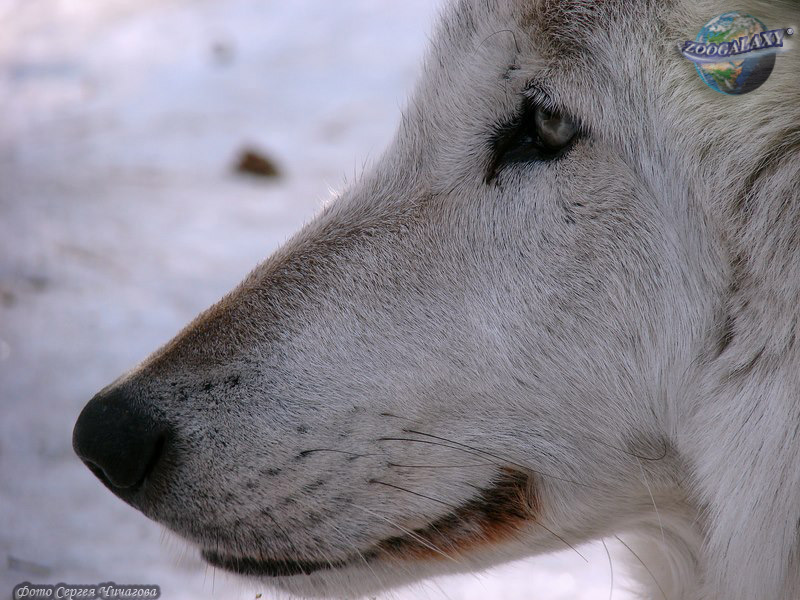
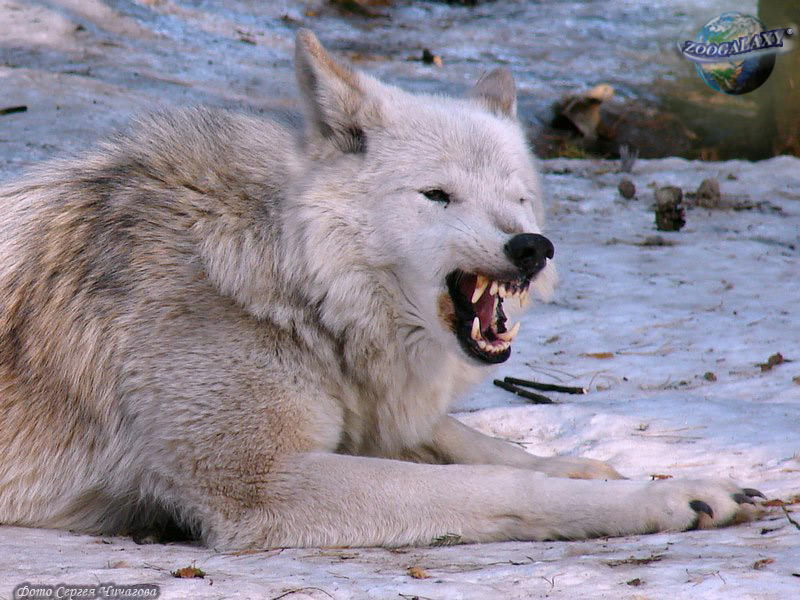
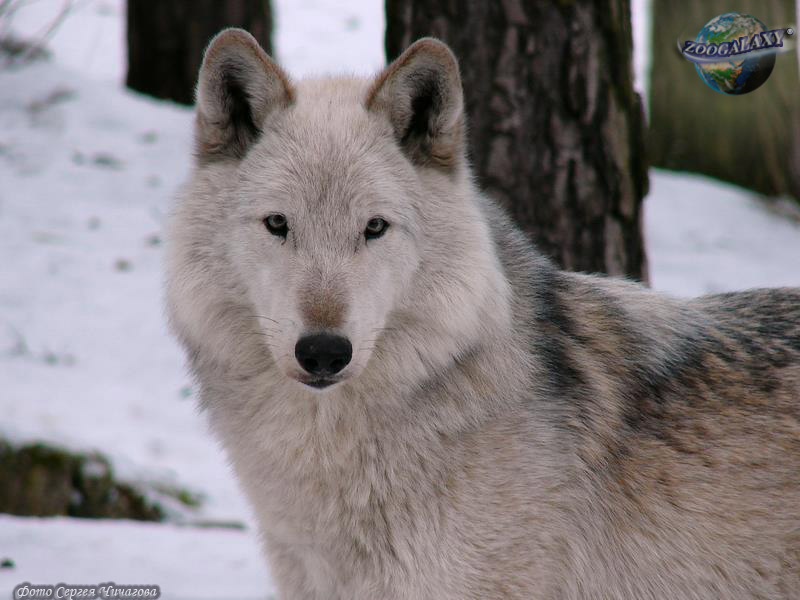
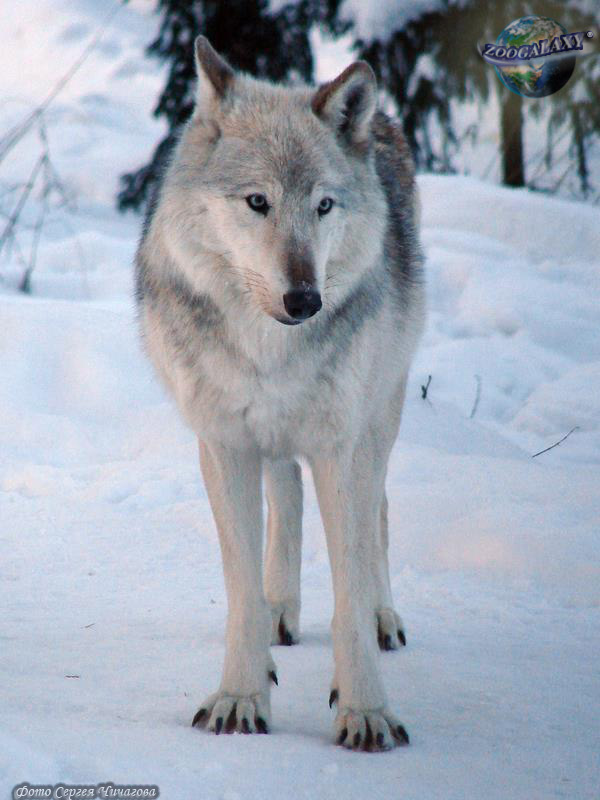
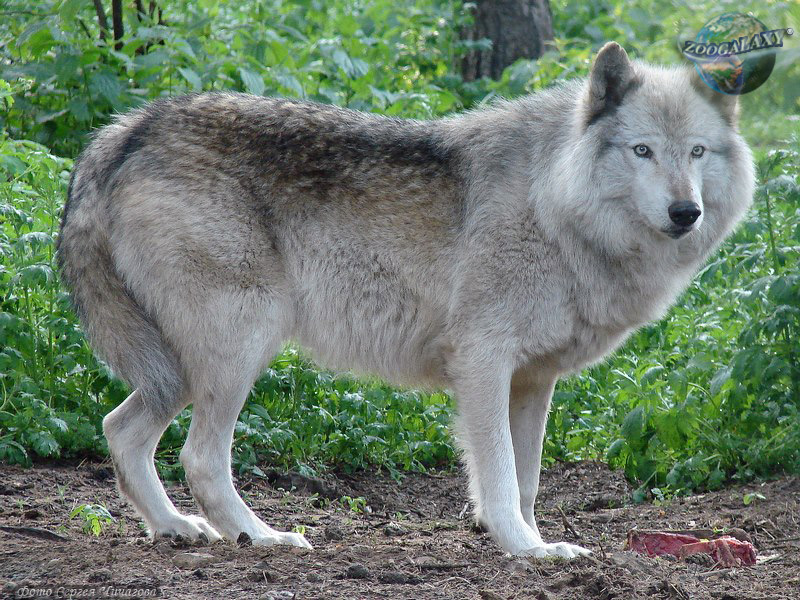
The northwestern wolf (Canis lupus occidentalis), also known as the Mackenzie Valley wolf, Alaskan timber wolf, or Canadian timber wolf, is a subspecies of gray wolf in western North America. Arguably the largest gray wolf subspecies in the world, it ranges from Alaska, the upper Mackenzie River Valley; southward throughout the western Canadian provinces, aside from prairie landscapes in its southern portions, as well as the Northwestern United States.
Taxonomy
This wolf is recognized as a subspecies of Canis lupus in the taxonomic authority Mammal Species of the World (2005). The subspecies was first written of by Scottish naturalist Sir John Richardson in 1829. He chose to give it the name occidentalis in reference to its geographic location rather than label it by its color, as it was too variable to warrant such.
According to one source, phylogenetic analyses of North American gray wolves show that there are three clades corresponding to Canis lupus occidentalis, Canis lupus nubilus and Canis lupus baileyi, each one representing a separate invasion into North America from distinct Eurasian ancestors. Canis lupus occidentalis, the most northwestern subspecies, is descended from the last gray wolves to colonize North America. It likely crossed into North America through the Bering land bridge after the last ice age, displacing Canis lupus nubilus populations as it advanced, a process which has continued until present times. Along with Canis lupus nubilus, Canis lupus occidentalis is the most widespread member of the four gray wolf subspecies in North America, with at least six different synonyms.
Description and distribution
Canis lupus occidentalis, a subspecies of the grey wolf, also called the Rocky Mountain wolf, was isolated in 1829 by Sir John Richardson. Canis lupus occidentalis is a large wolf varying in colour from black to whitish-grey. It was discovered in the Mackenzie River valley, from which it got its name. Its range extends from the mouth of the Mackenzie River in the Arctic Ocean to the northwestern United States.
Canis lupus occidentalis is one of the largest subspecies found in North America: western Canada and Alaska. In 1995, wolves of this subspecies were brought from Canada and released in Yellowstone Park to restore wolf numbers. In Alaska, wolf packs usually consist of 6-12 animals, although packs of 20-30 animals sometimes occur.
These strong, hardy predators can successfully hunt bison, moose, musk oxen, caribou and other deer, and snow goats, but wolves often prey on much smaller animals: beavers, ground squirrels, moles, hares, lemmings and salmon.
Reproduction and population
The breeding season of Canis lupus occidentalis begins in February. Only the dominant pair breeds in the flock. After a gestation period of 63 days, the female gives birth to 4 to 6 pups. The cubs leave the den at 4-6 weeks of age and, in autumn, are able to participate in herd hunts and travel with the herd over long distances. At 6-8 months of age they reach the size of their parents, and young wolves reach sexual maturity at 22 months.
The wolf population has recovered rapidly thanks to conservation efforts. In Alaska, the number of Canis lupus occidentalis has been estimated at 7000-1000 animals, and in the northern Rocky Mountains it has reached 1200 wolves and continues to increase.