














The Guadalupe fur seal (Arctocephalus townsendi)
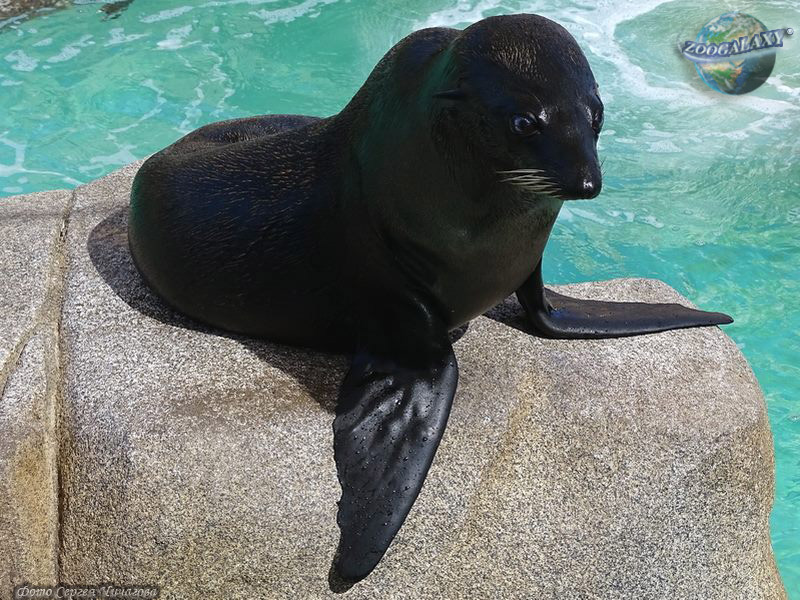
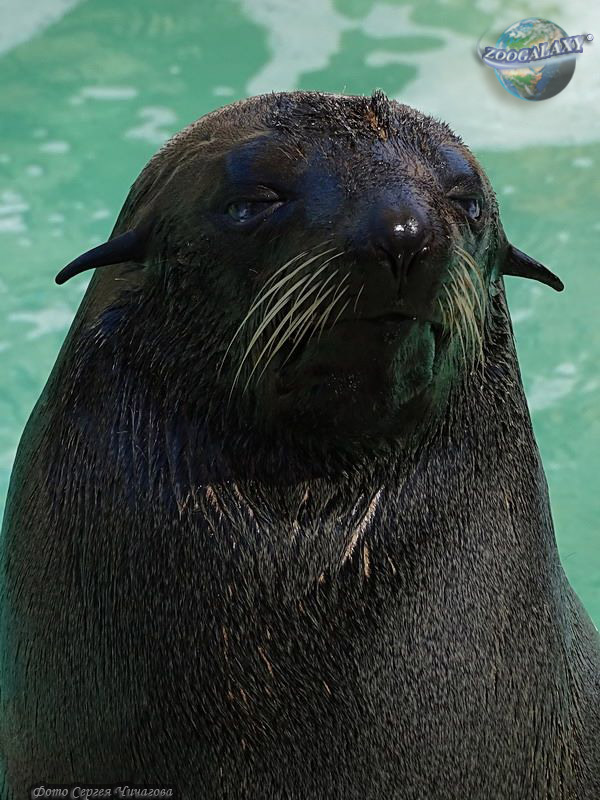
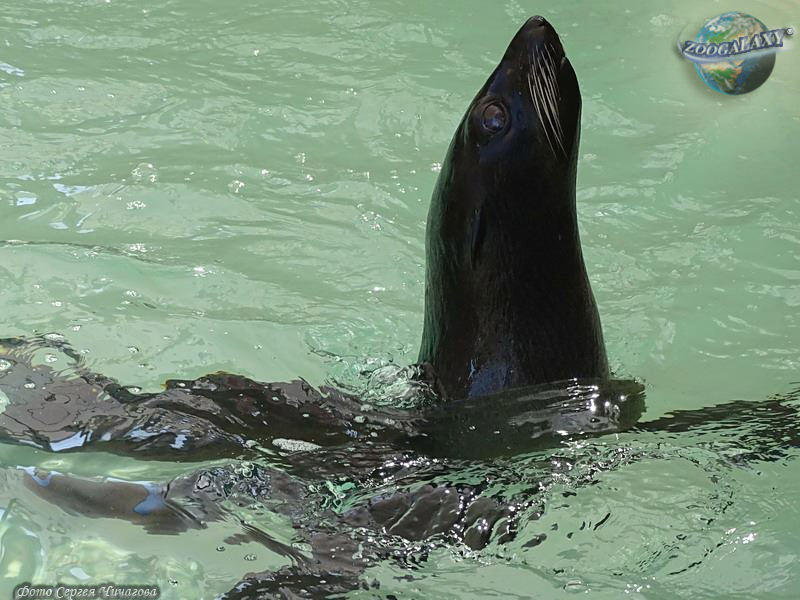
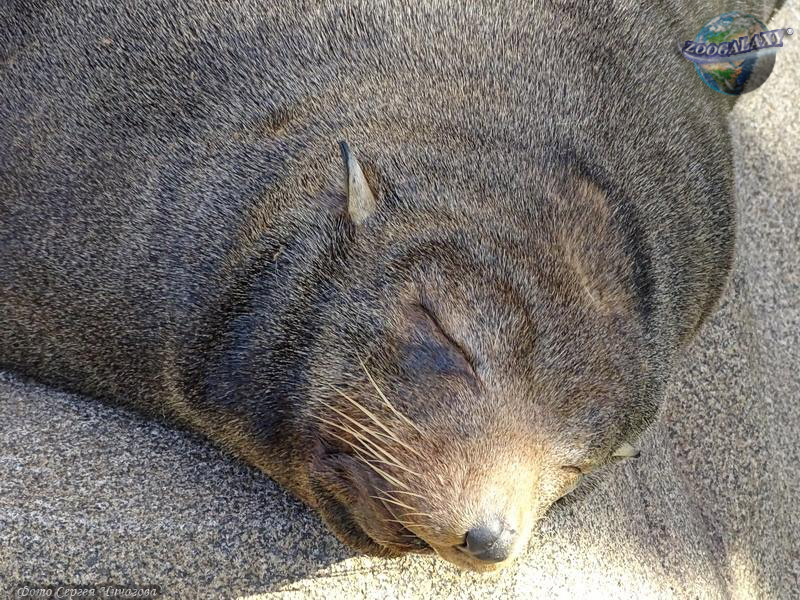
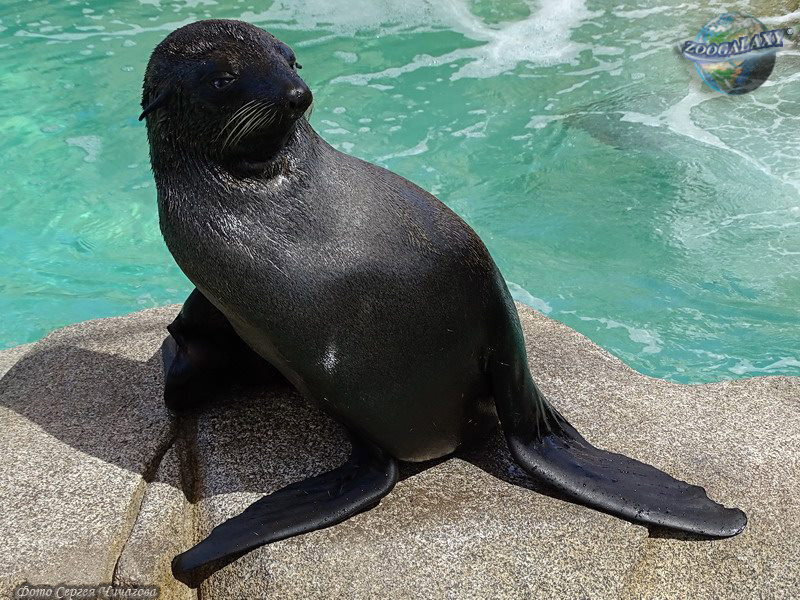
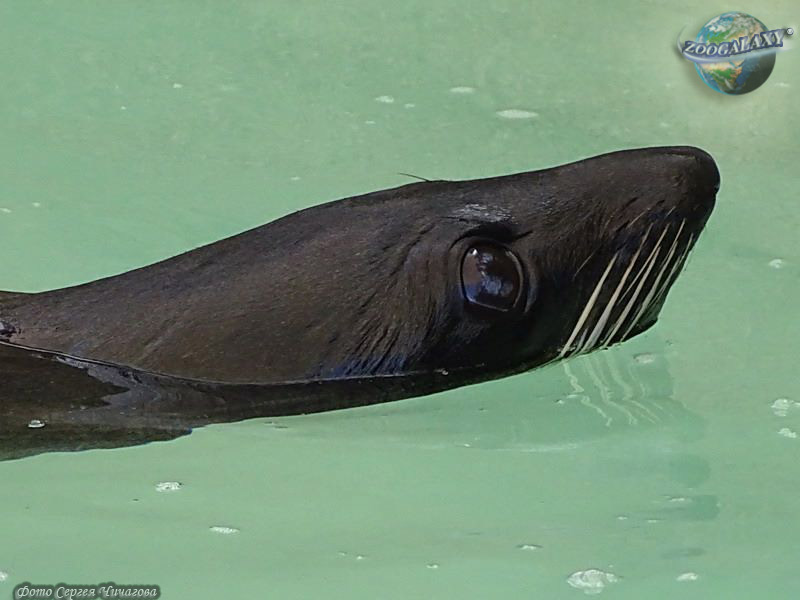
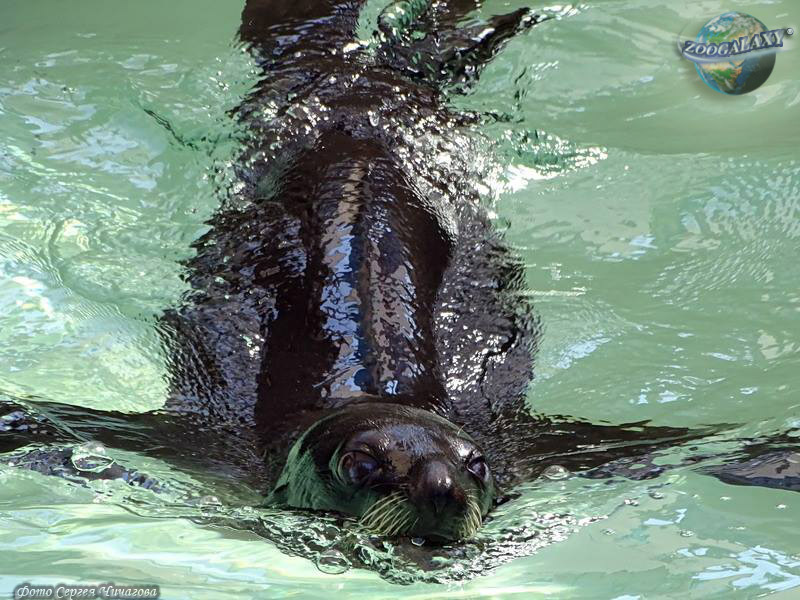
The Guadalupe fur seal (Arctocephalus townsendi) is one of eight members of the fur seal genus Arctocephalus. They are the northernmost member of this genus. Sealers reduced the population to just a few dozen by the late 19th century, but the species had recovered to 10,000 in number by the late 1990s. Many individuals can be found on Mexico's Guadalupe Island.
Habitat and Appearance
Arctocephalus townsendi is a subspecies of the species A. philippii, genus Arctophoca, which includes pinniped mammals of the otariid family. In Encyclovida the species is referred to as Arctocephalus townsendi.
Arctocephalus townsendi is one of 6 species in the genus of southern fur seals. In the late 19th century, uncontrolled fishing reduced its numbers to a few tens of individuals, but it later recovered and reached 10,000 in the late 1990s. This animal is often found on the island of Guadalupe, Mexico. In addition, individuals of this species are found on the islands in the southern part of the California Strait, including 2 males seen on San Nicolas Island.
Arctocephalus townsendi is characterised by sexual dimorphism, with males being much larger than females. The colouring of both sexes is dark brown or almost black, only on the nape of the neck does the fur turn yellowish or light yellow-brown. The coat of newborn puppies is black, so its colour is similar to that of adults. Arctocephalus townsendi, like other long-eared seals, has external ears.
Feeding
Guadalupe fur seals are a pelagic species that spend most of their time on the open ocean. Thus, they dive to catch food and forage for about two weeks before returning to land to feed. Guadalupe fur seals commonly hunt in shallow water (maximum depth of 250 feet/76 meters) and catch squid, mackerels, and lanternfish. They feed exclusively at night.
Behavior
Guadalupe fur seals create caves on land which can causes social pressures amongst the individuals. The seals that do not breed often play with each other by barking, lunging at each other, and pushing each other into the water. Other behaviors of the animal consist of waving their hind flippers in the water whist face down in the water. Additionally, when interacting with humans, these seals are not typically aggressive. They are often seen with their heads under the water and pay little attention to the observer.
Reproduction
Observations show that males return for many years to breed on the same "their" territories. The male is master of his territory for 35 to 122 days a year. The young are born from mid-June to the end of July, but most are born in June. Arctocephalus townsendi breeds on the east coast of the island of Guadeloupe, about 200 km west of the California peninsula.
Conservation status
The decline of Arctocephalus townsendi was mainly due to commercial exploitation of the species from the late 18th to the early 19th century. By 1825, this animal had completely disappeared from the waters off the southern coast of California. Commercial fishing for this species continued in Mexican waters until 1894.
The US National Marine Fisheries Service classifies this species as "endangered". Arctocephalus townsendi is fully covered by the US Endangered Species Act.
The main reason for the decline of this species has been commercial hunting. Hunting of Arctocephalus townsendi is now prohibited, which has significantly reduced the threat level for this species.
The northern limit of the seal's range lies within the territorial waters of the United States. There are currently no known human activities that threaten the recovery of this species within the US-controlled part of its range.
Recovery of this species is therefore occurring naturally in the US-controlled area, with little human impact. However, inter-agency cooperation for the protection of this species has not always been satisfactory, endangering Arctocephalus townsendi.
No special measures have been taken to restore its numbers, apart from Part 7 of the US Endangered Species Act.
Listed as Near Threatened on the IUCN Red List.