














The king colobus (Colobus polykomos), the western black-and-white colobus
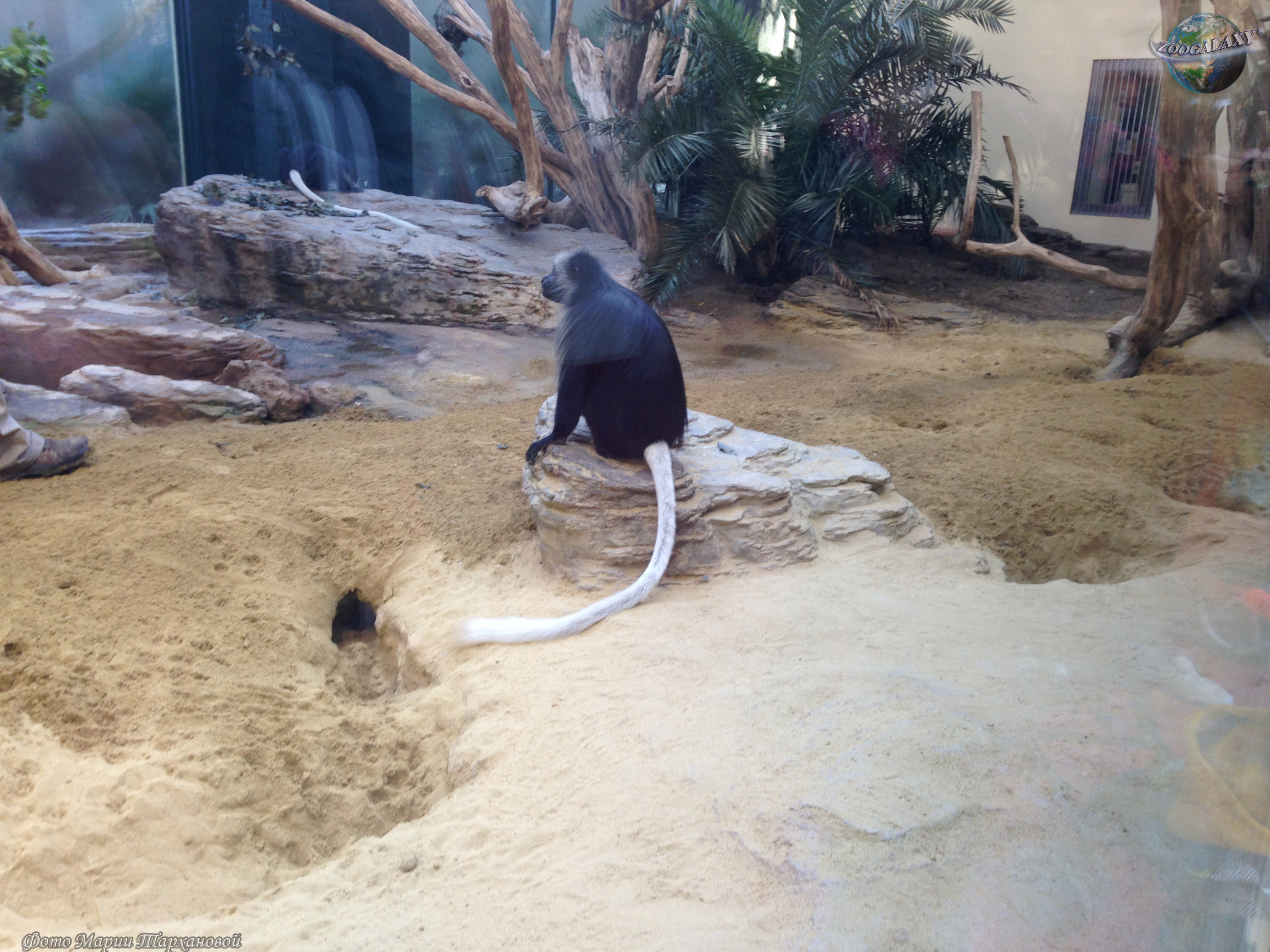
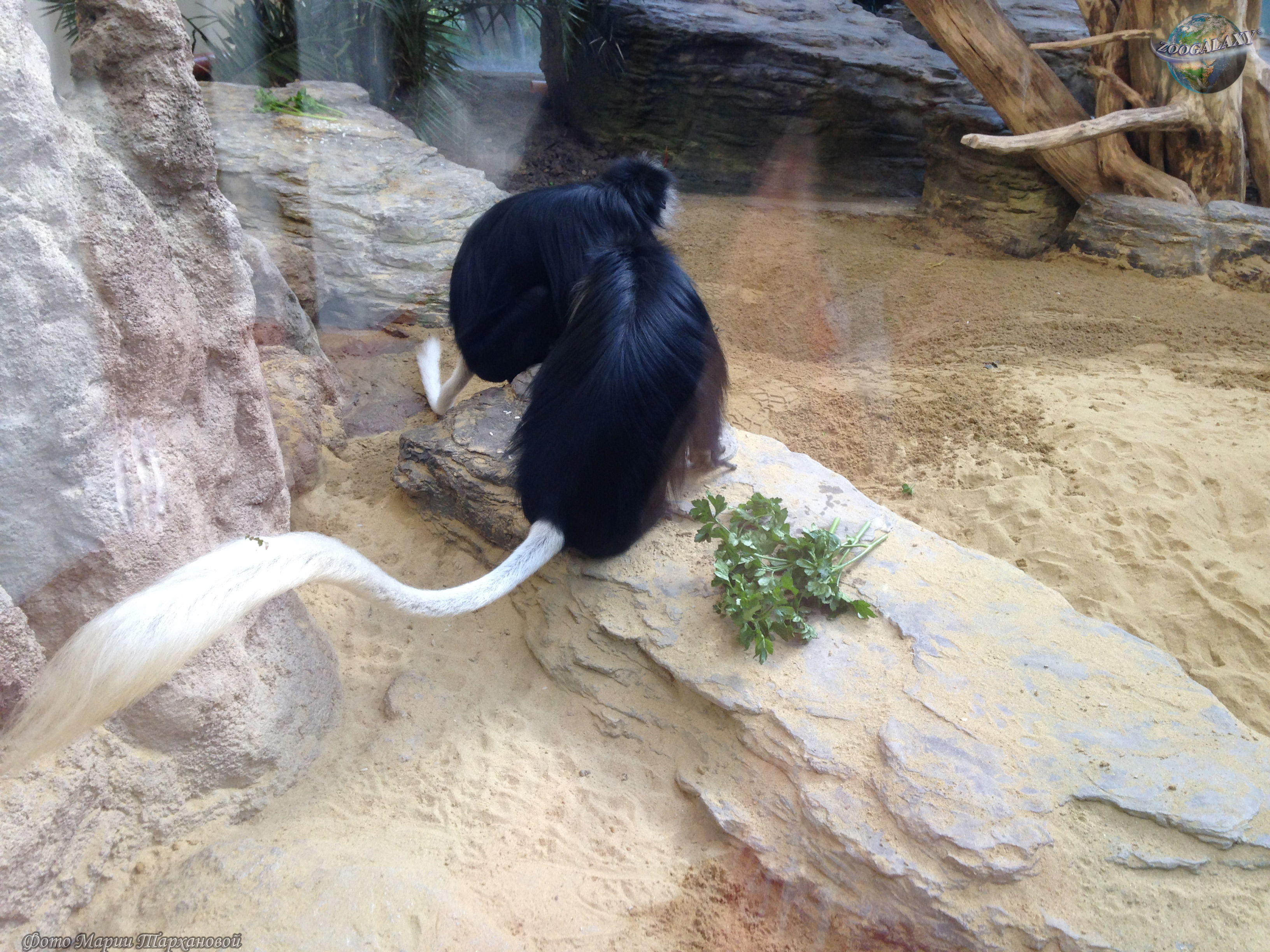
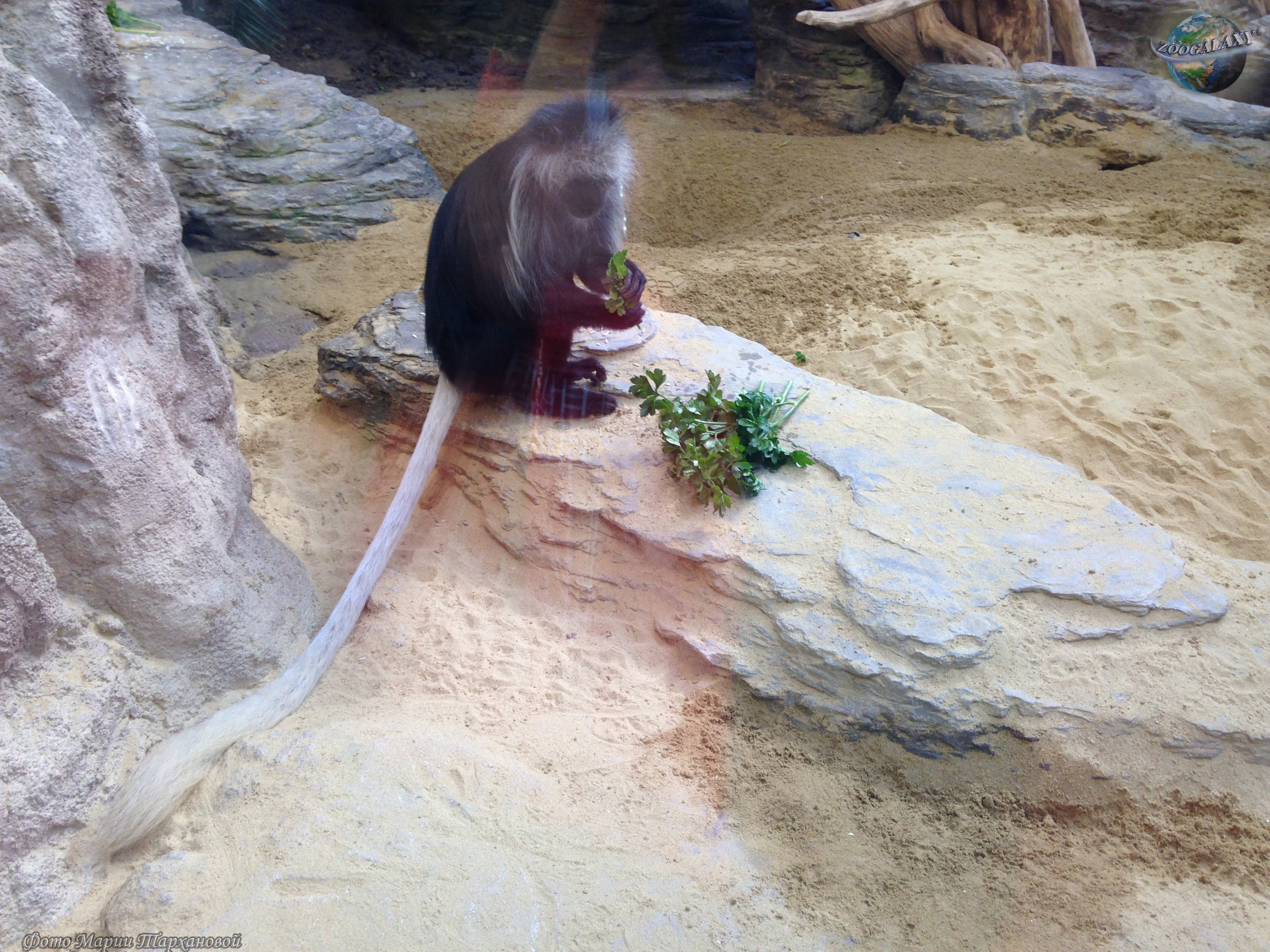
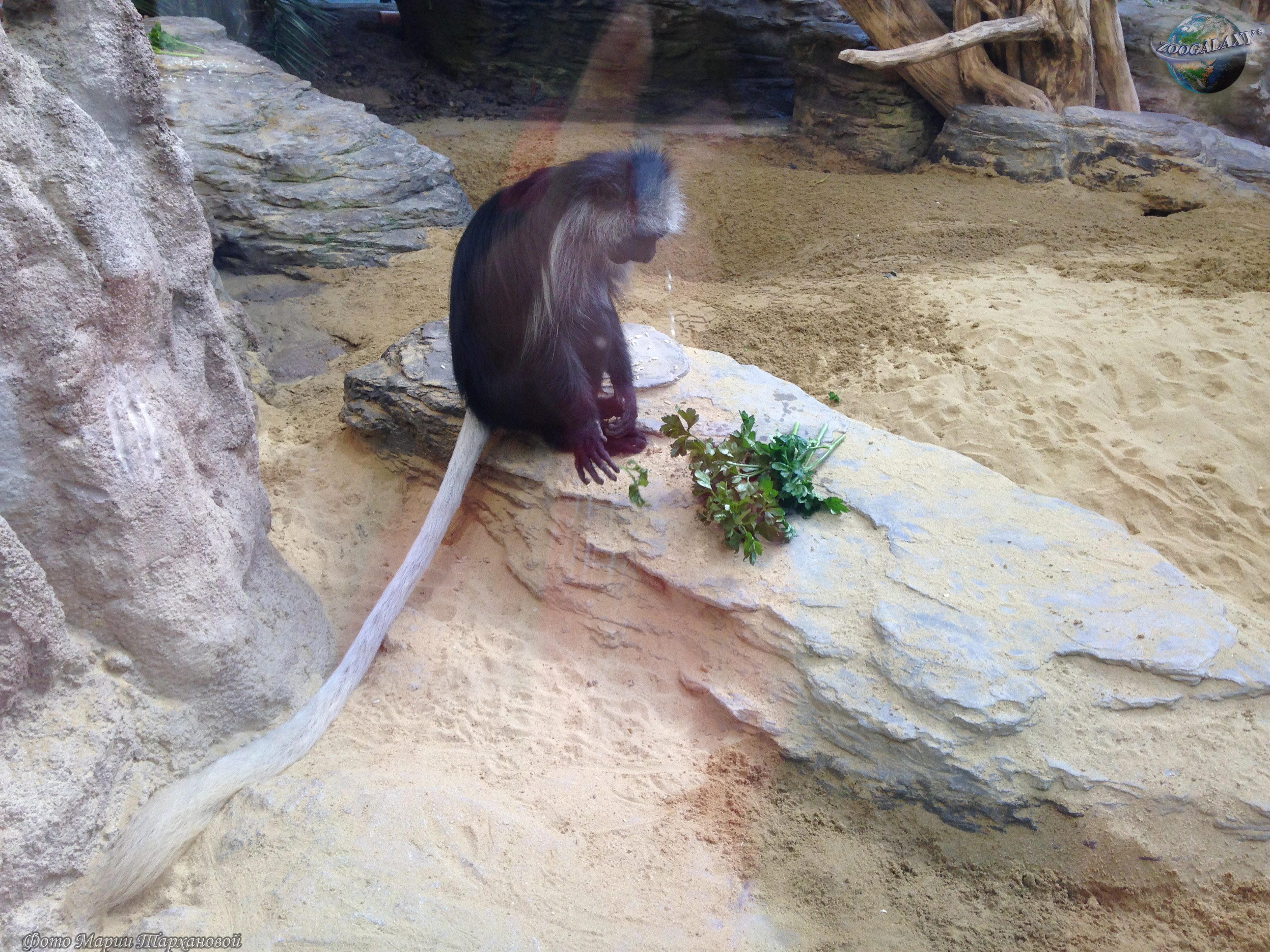
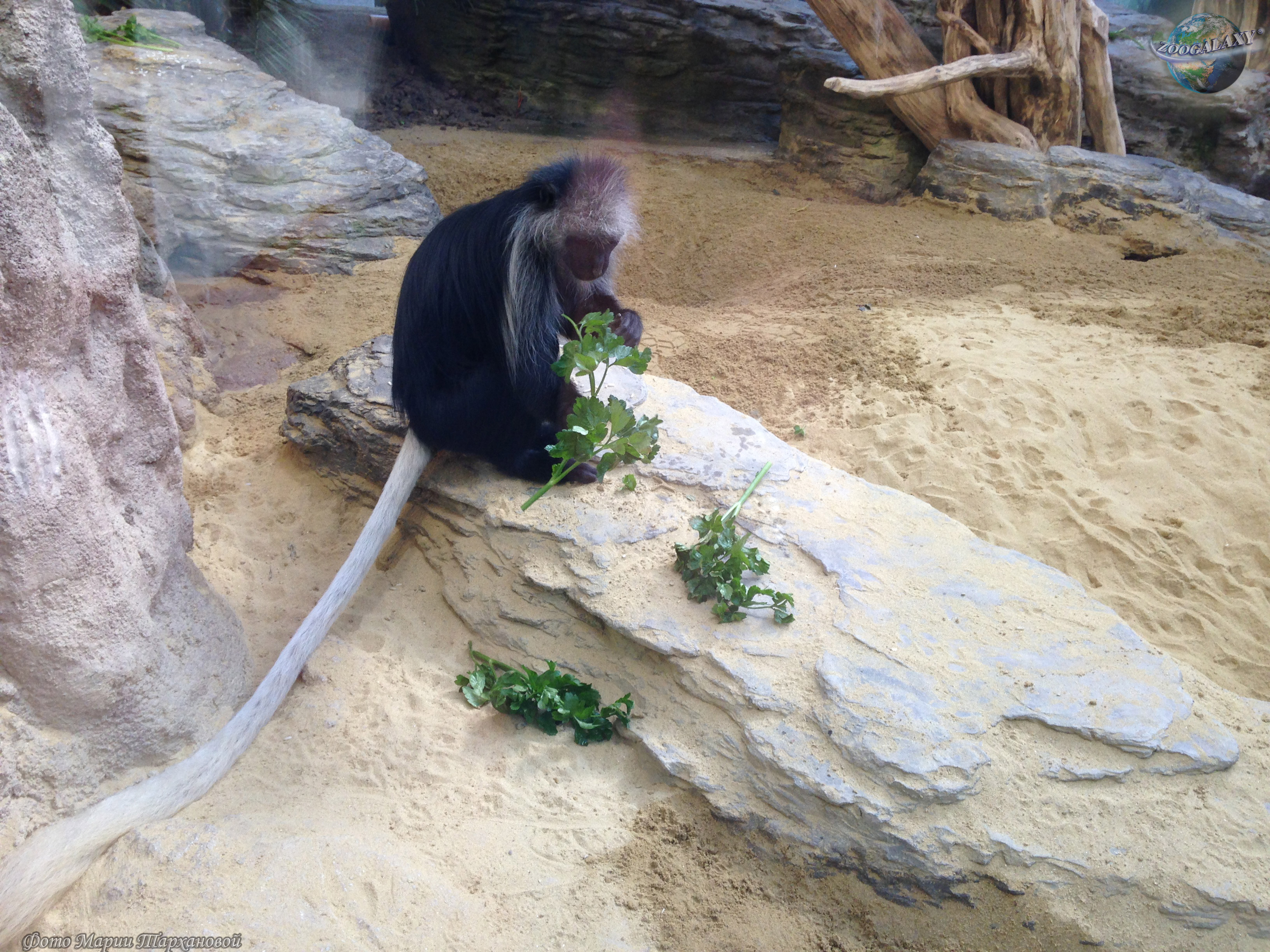
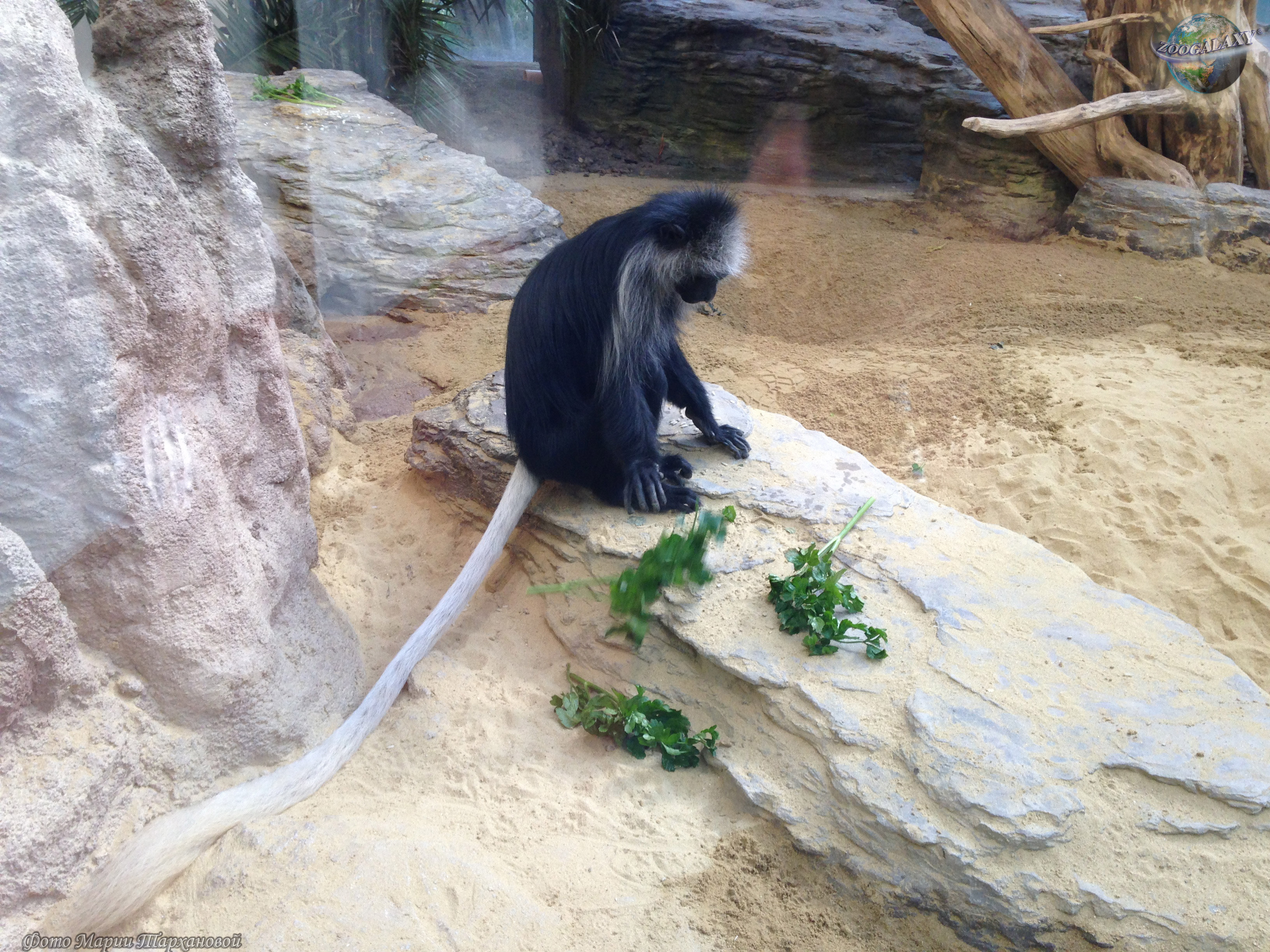
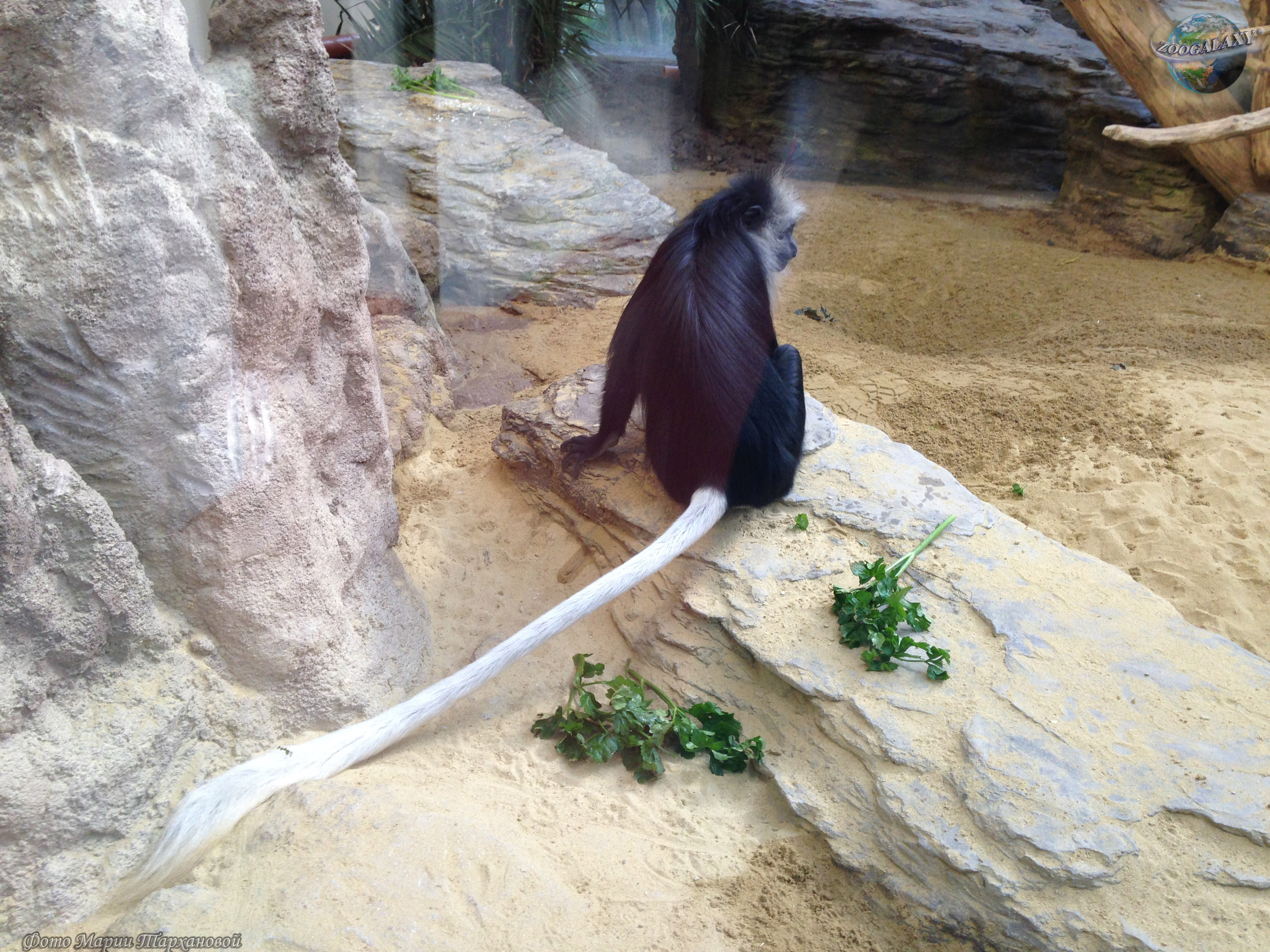
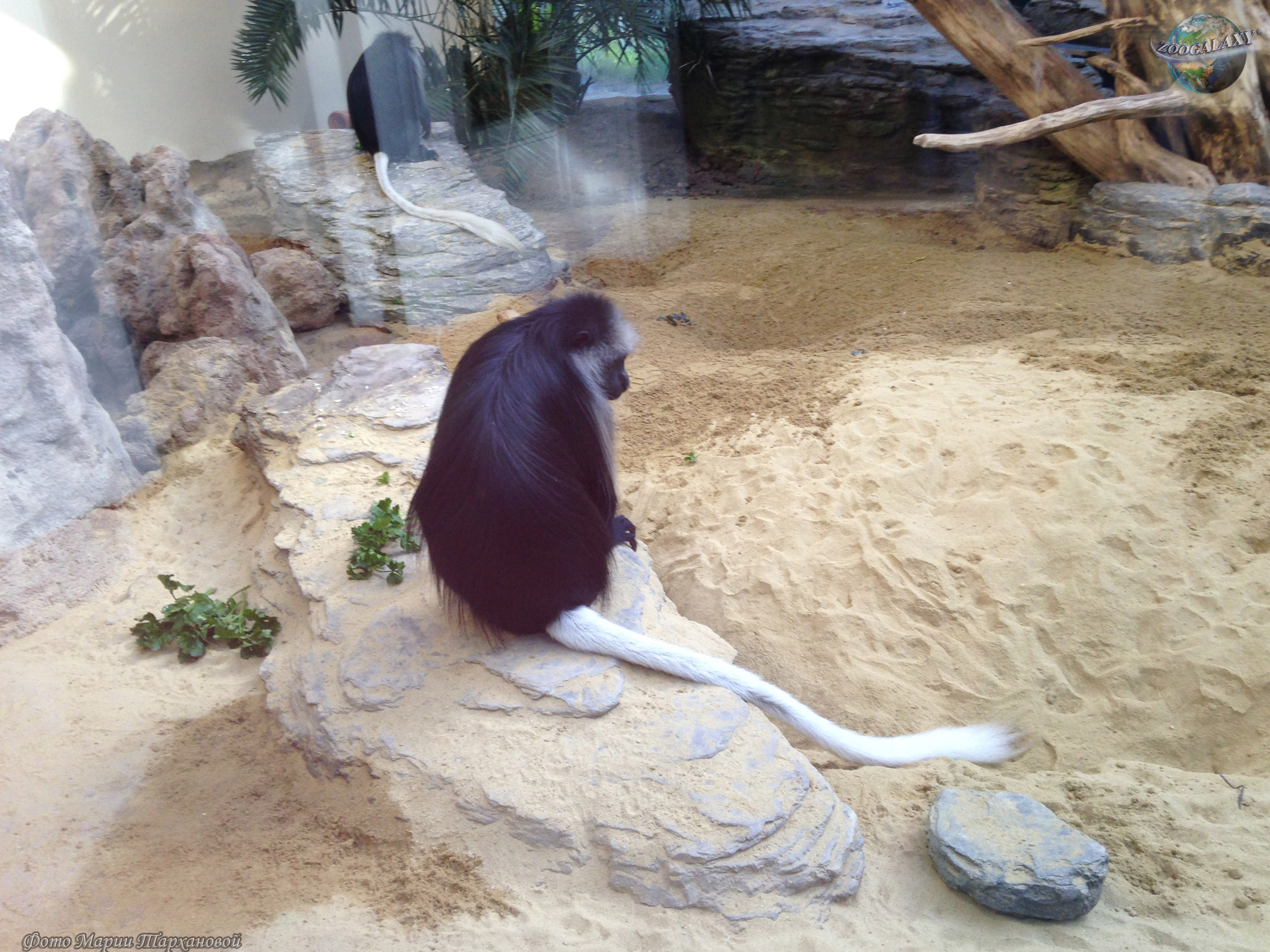
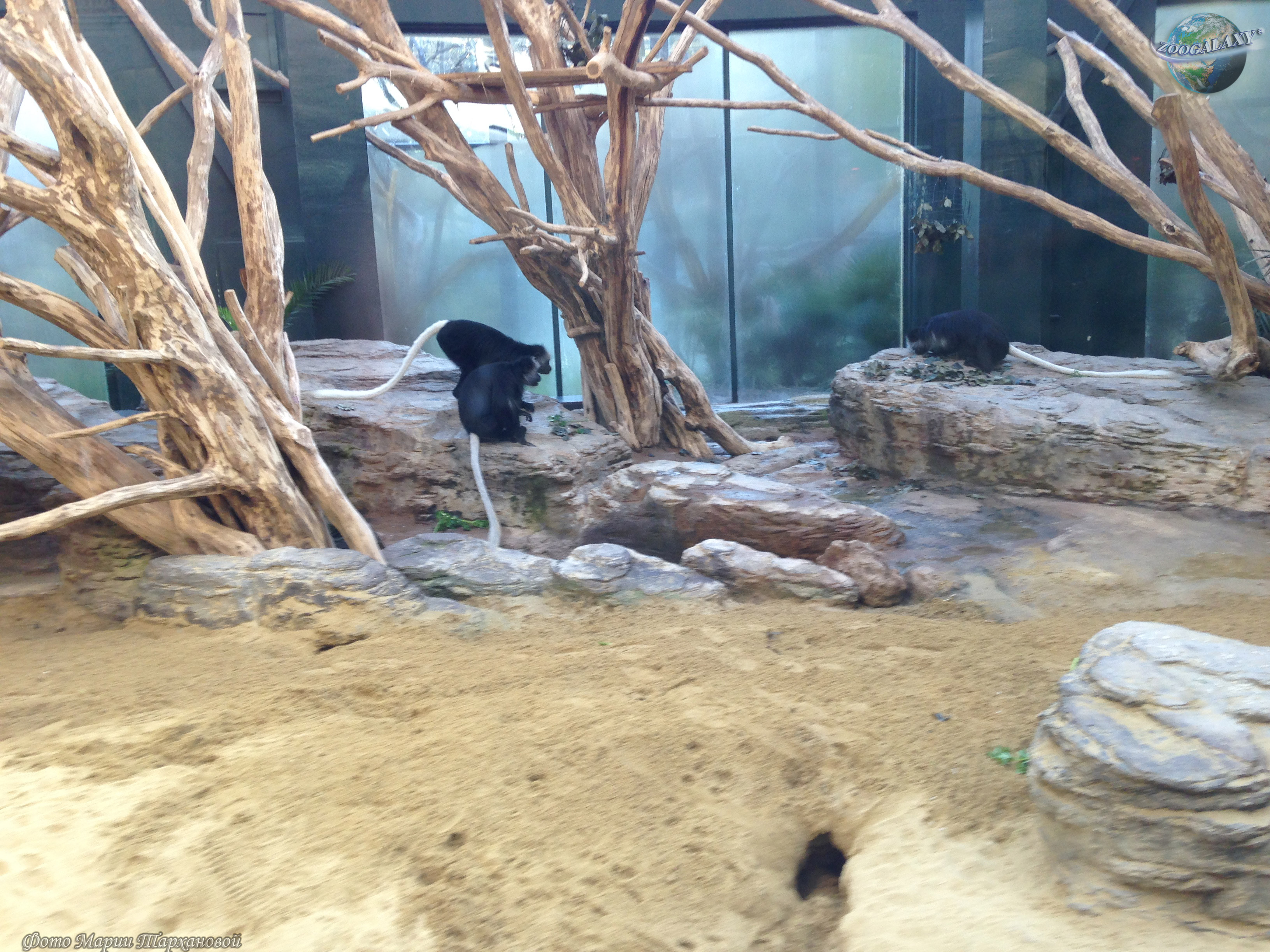
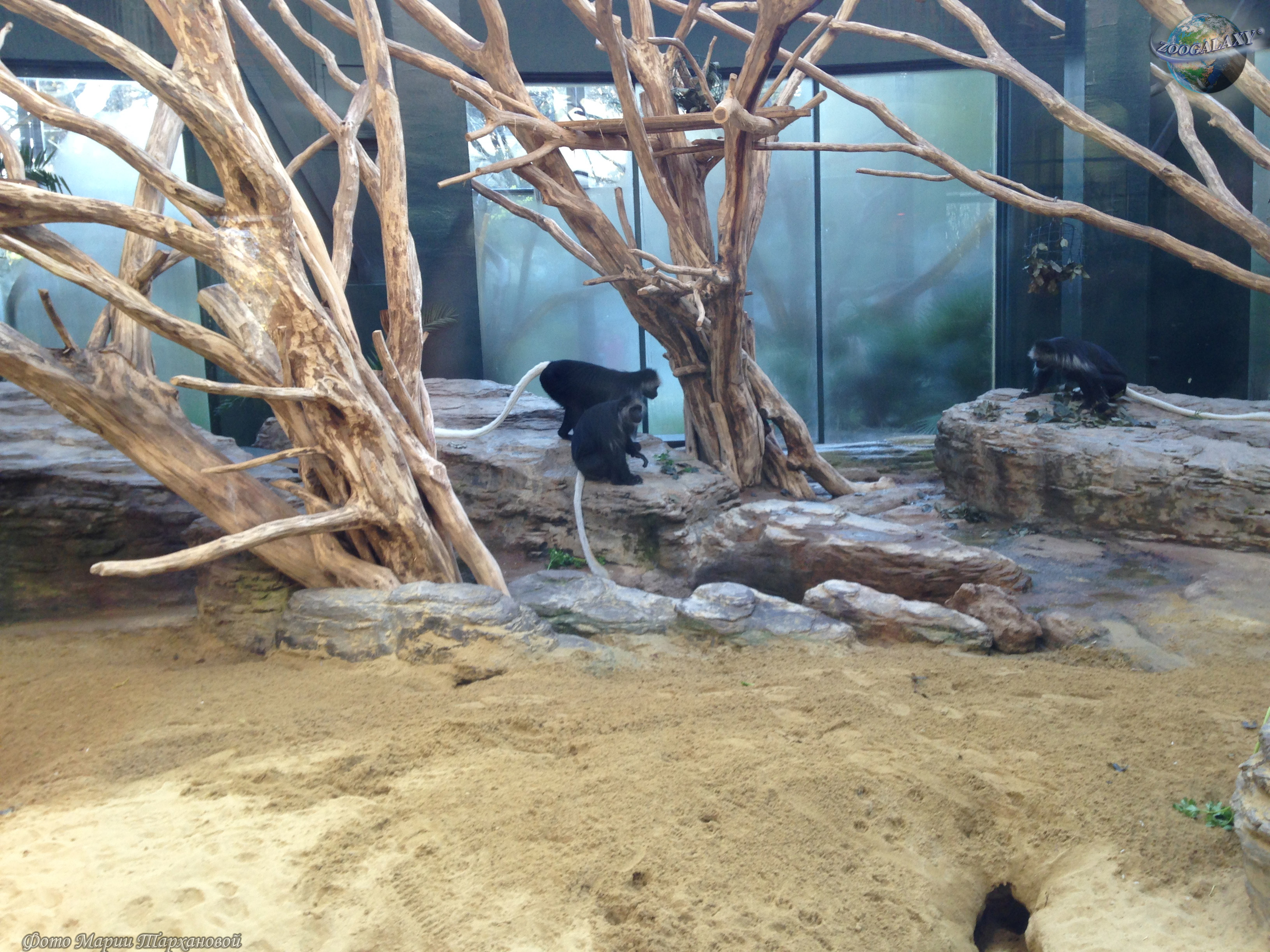
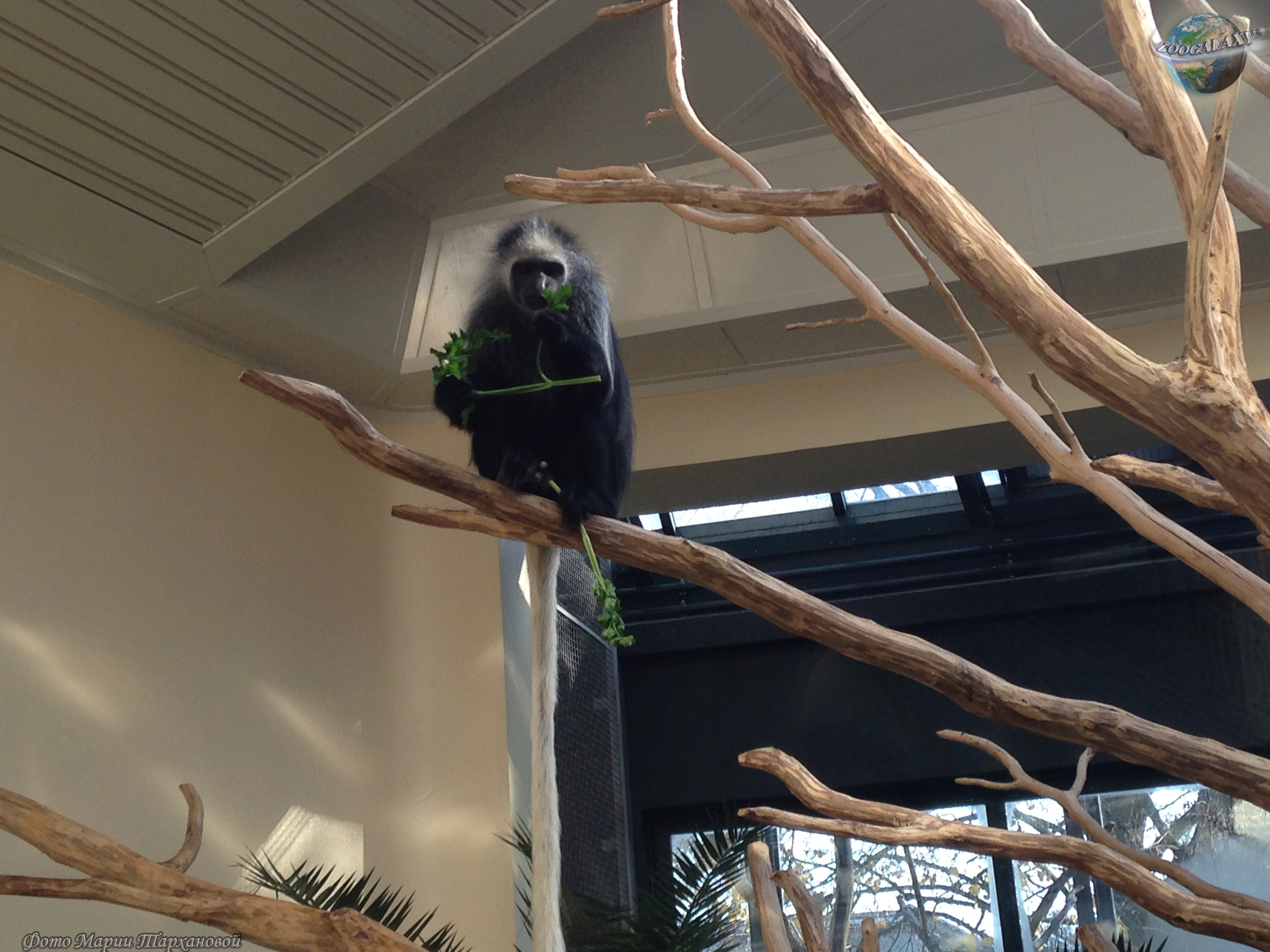
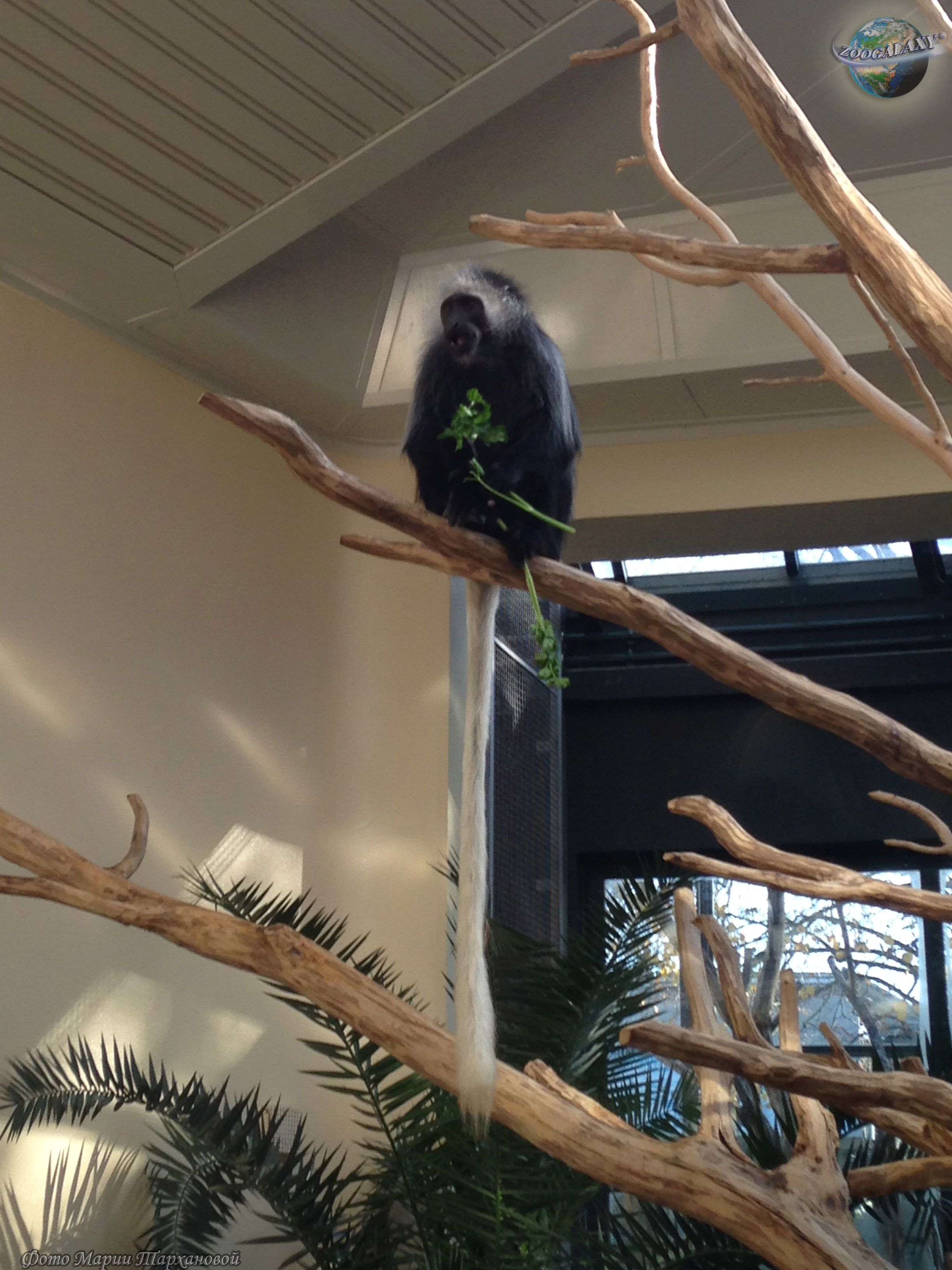
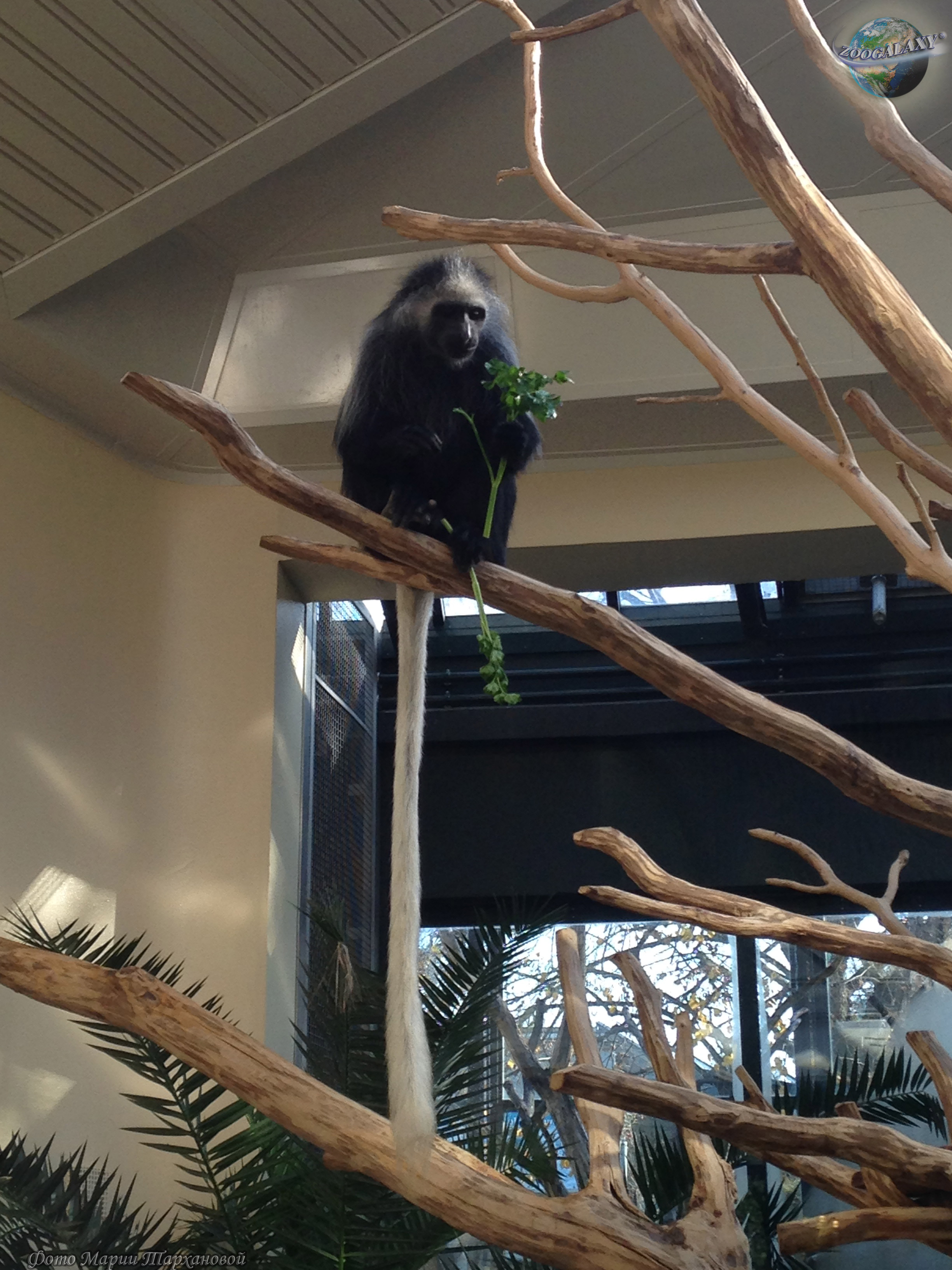
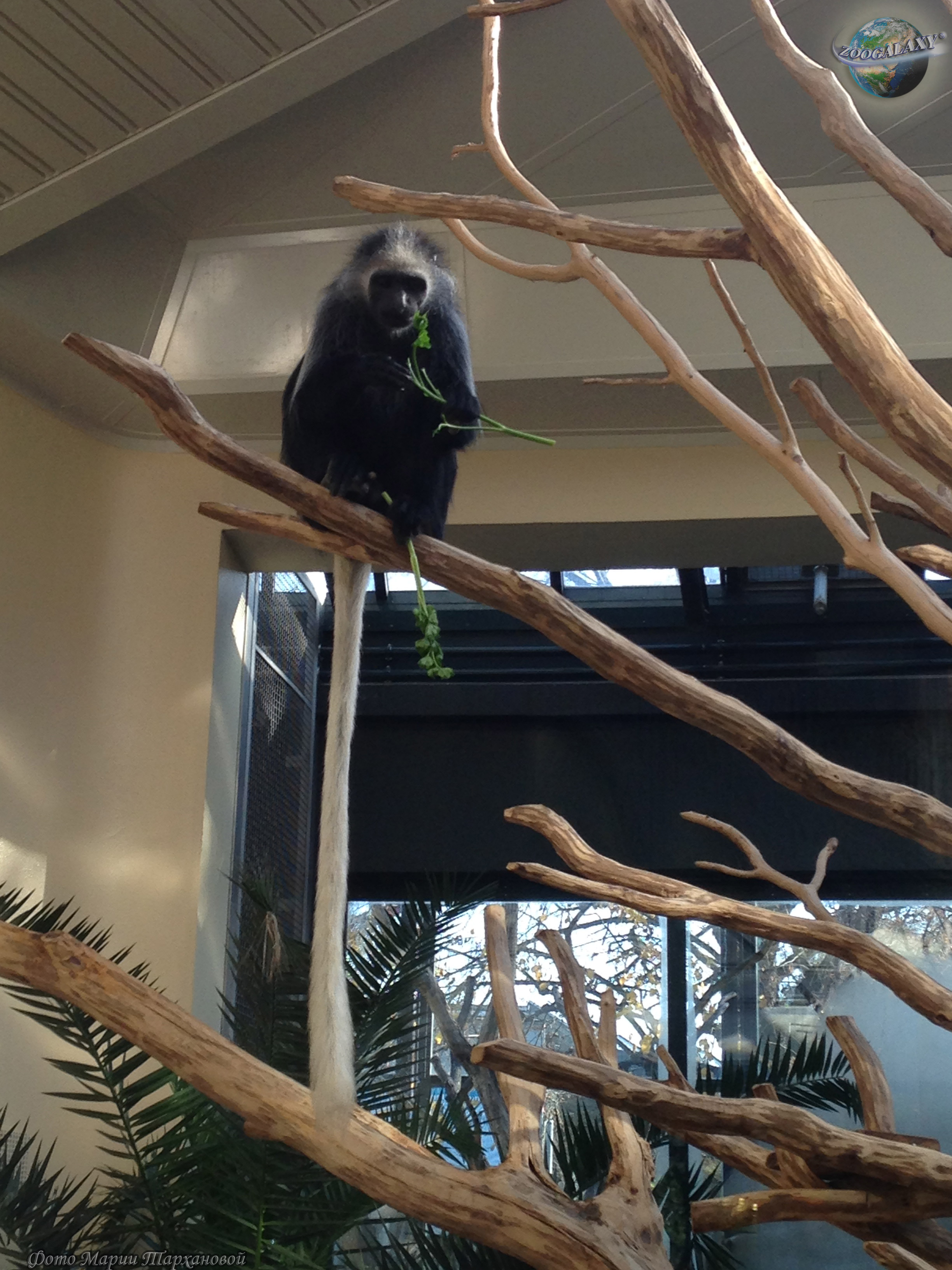
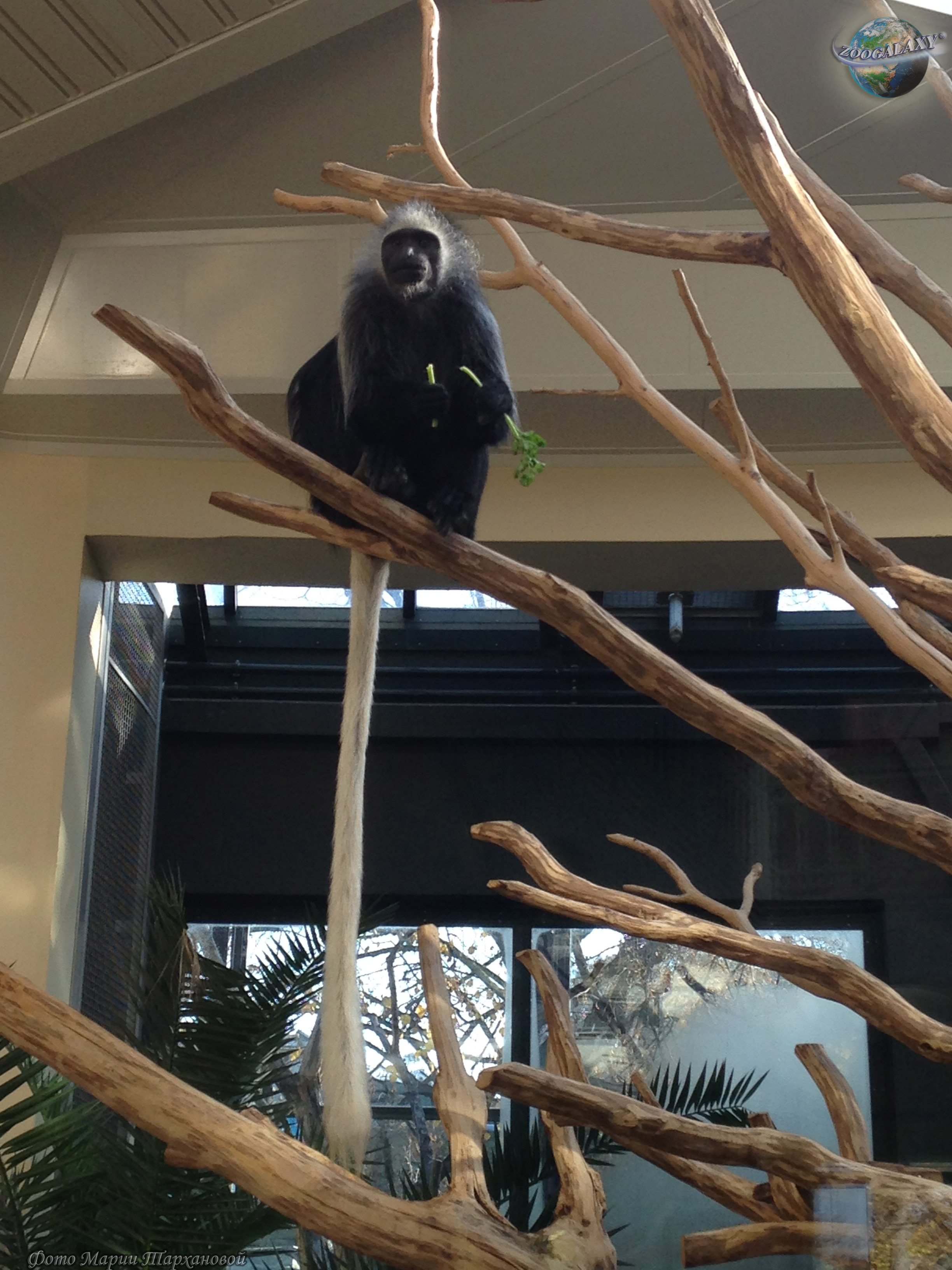
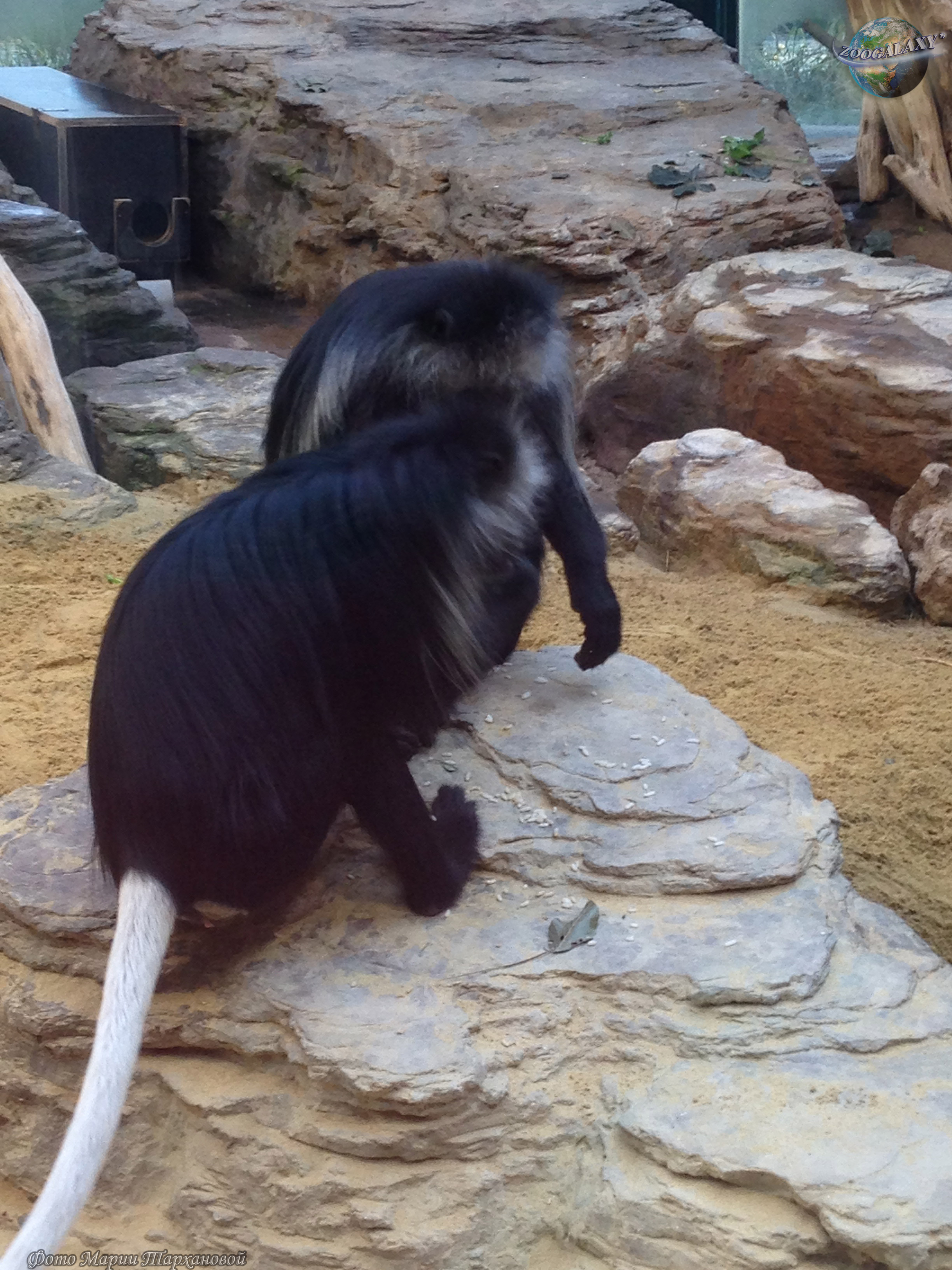
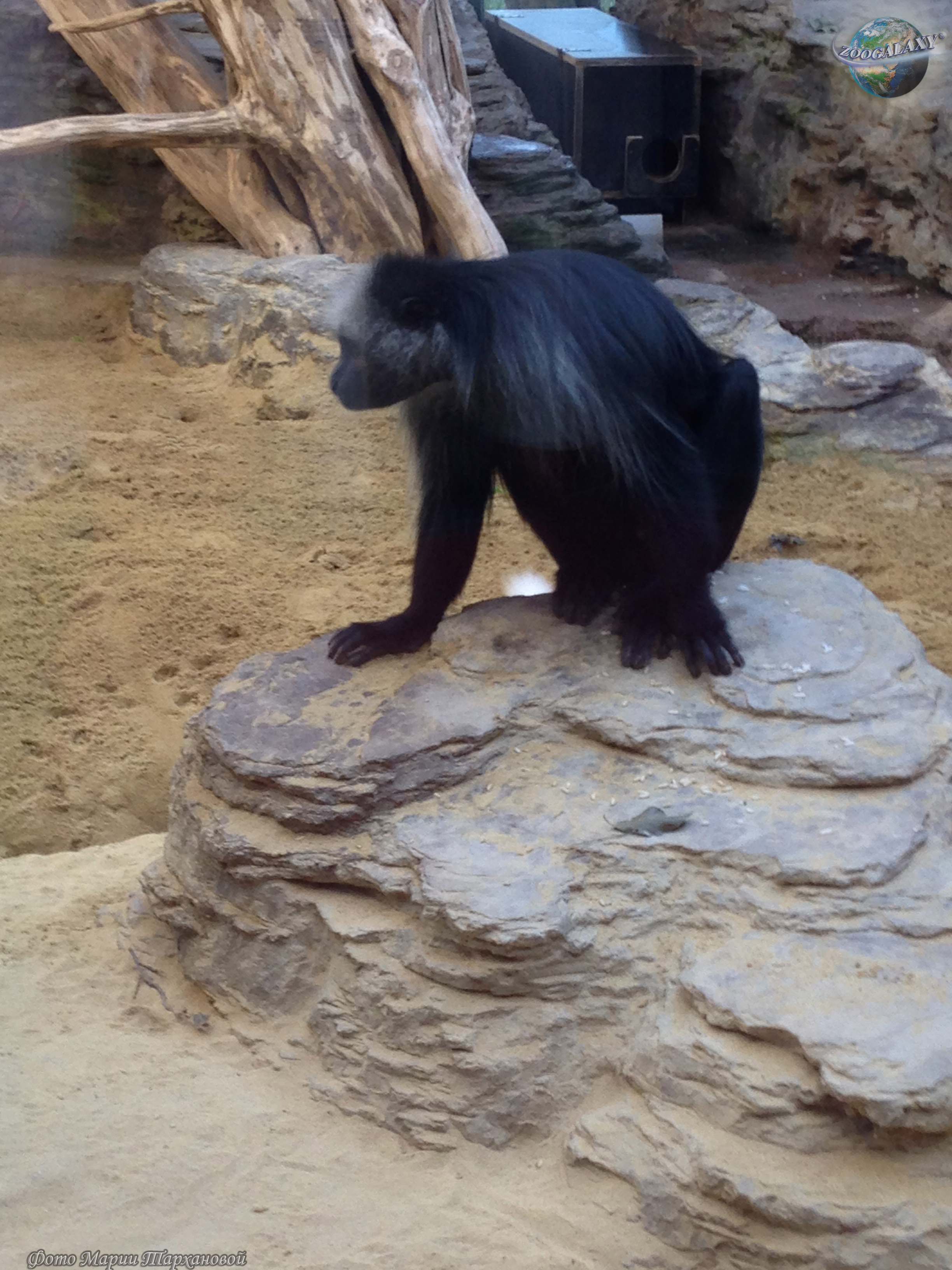
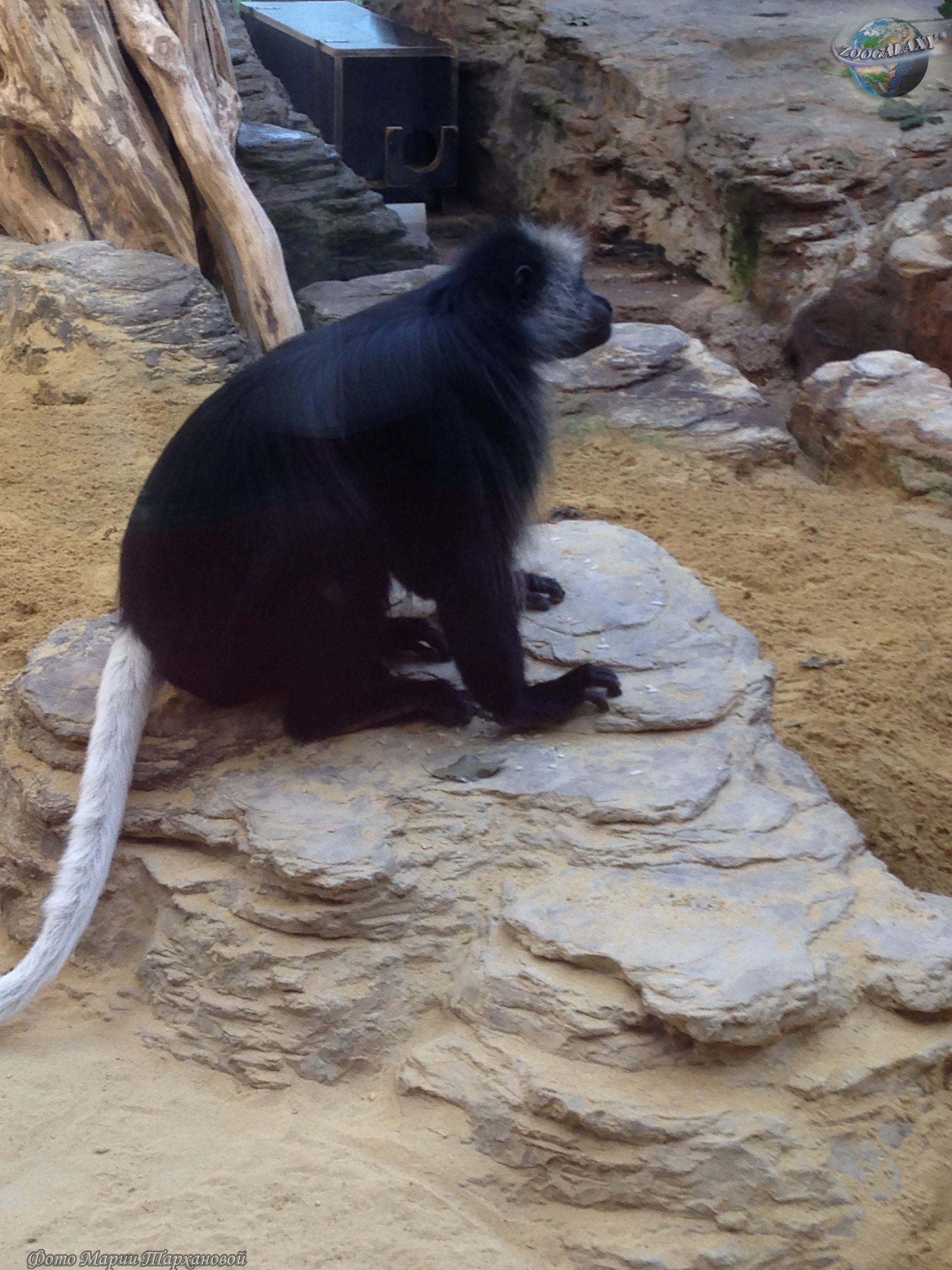
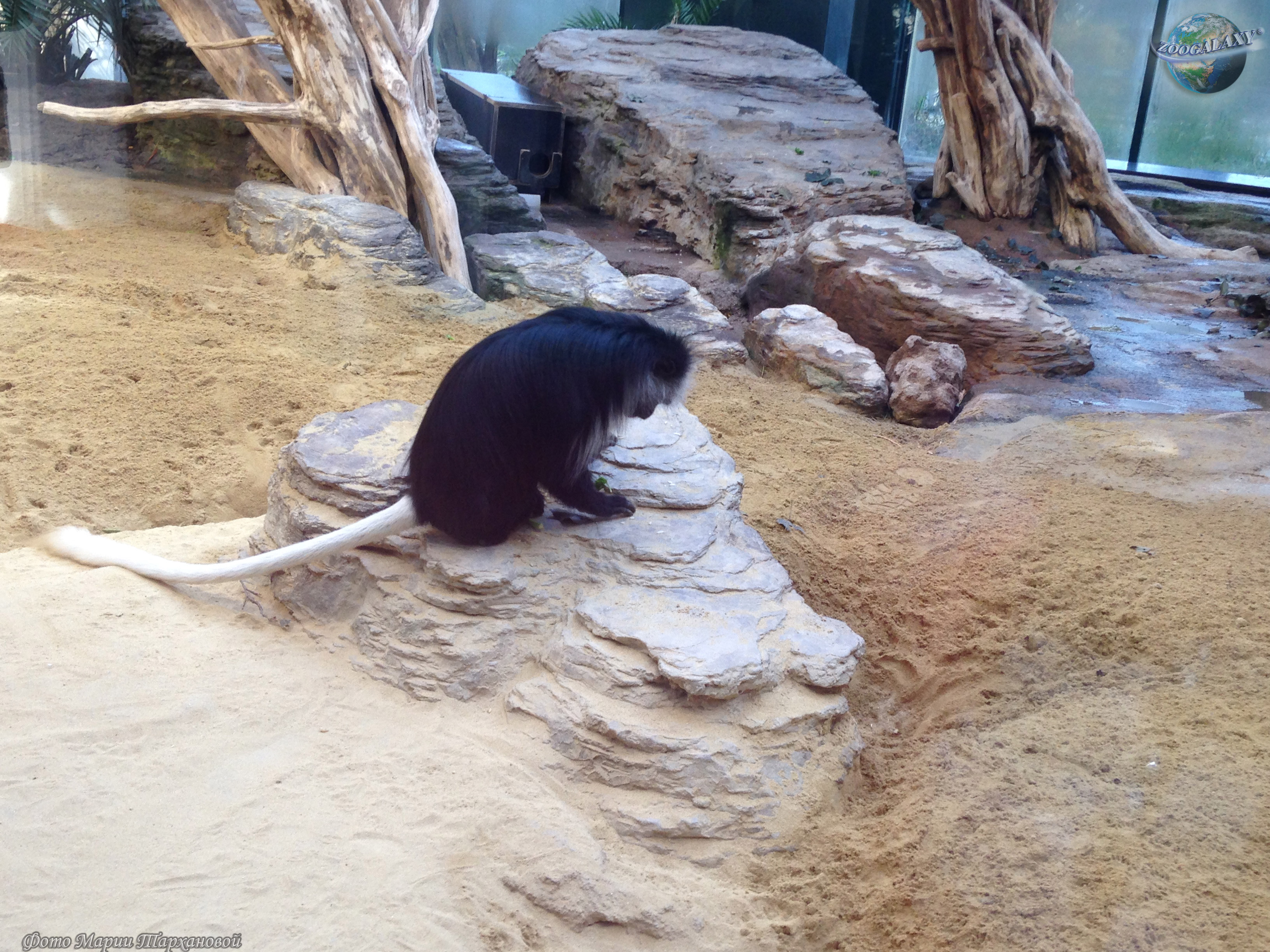
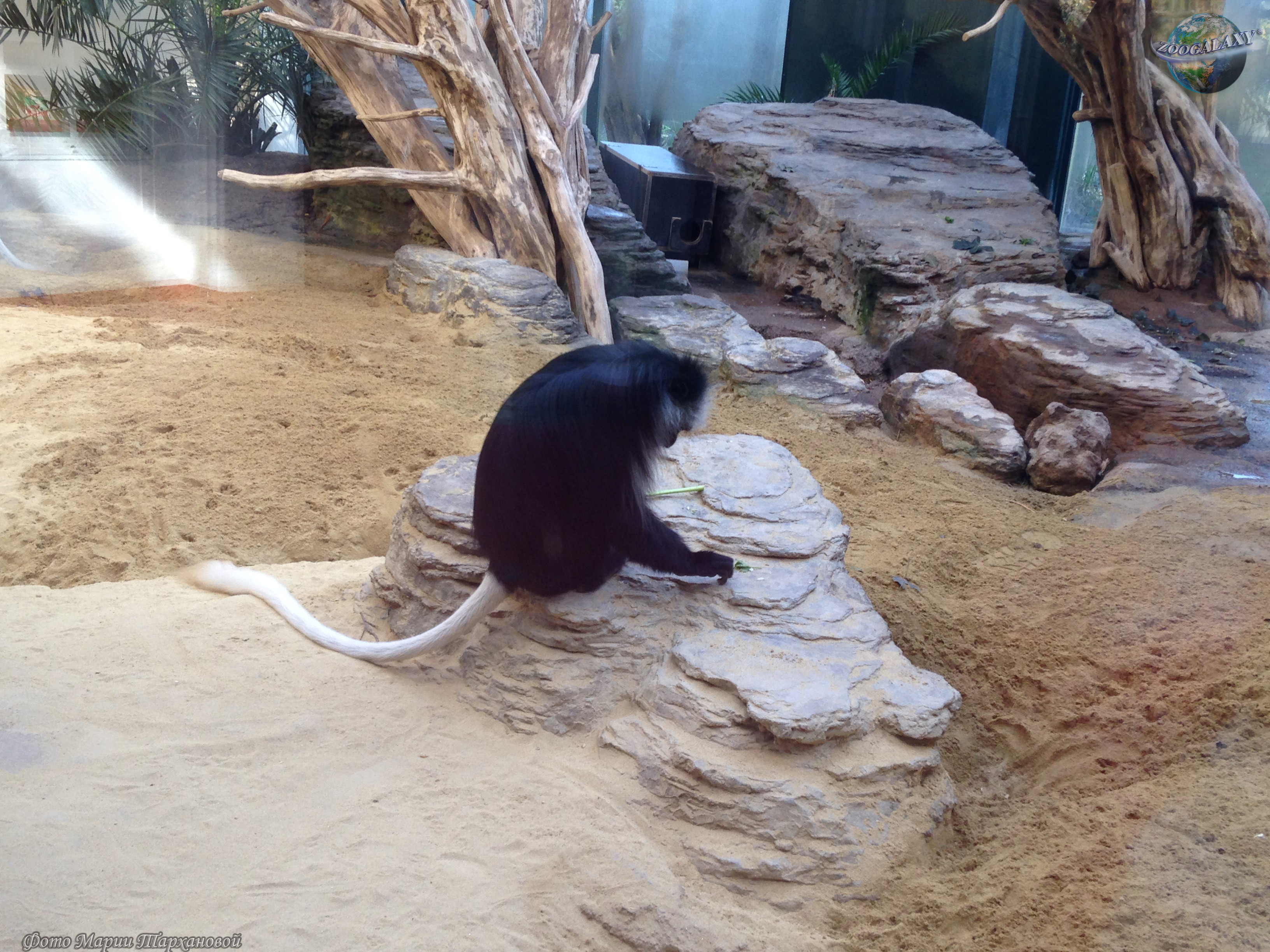
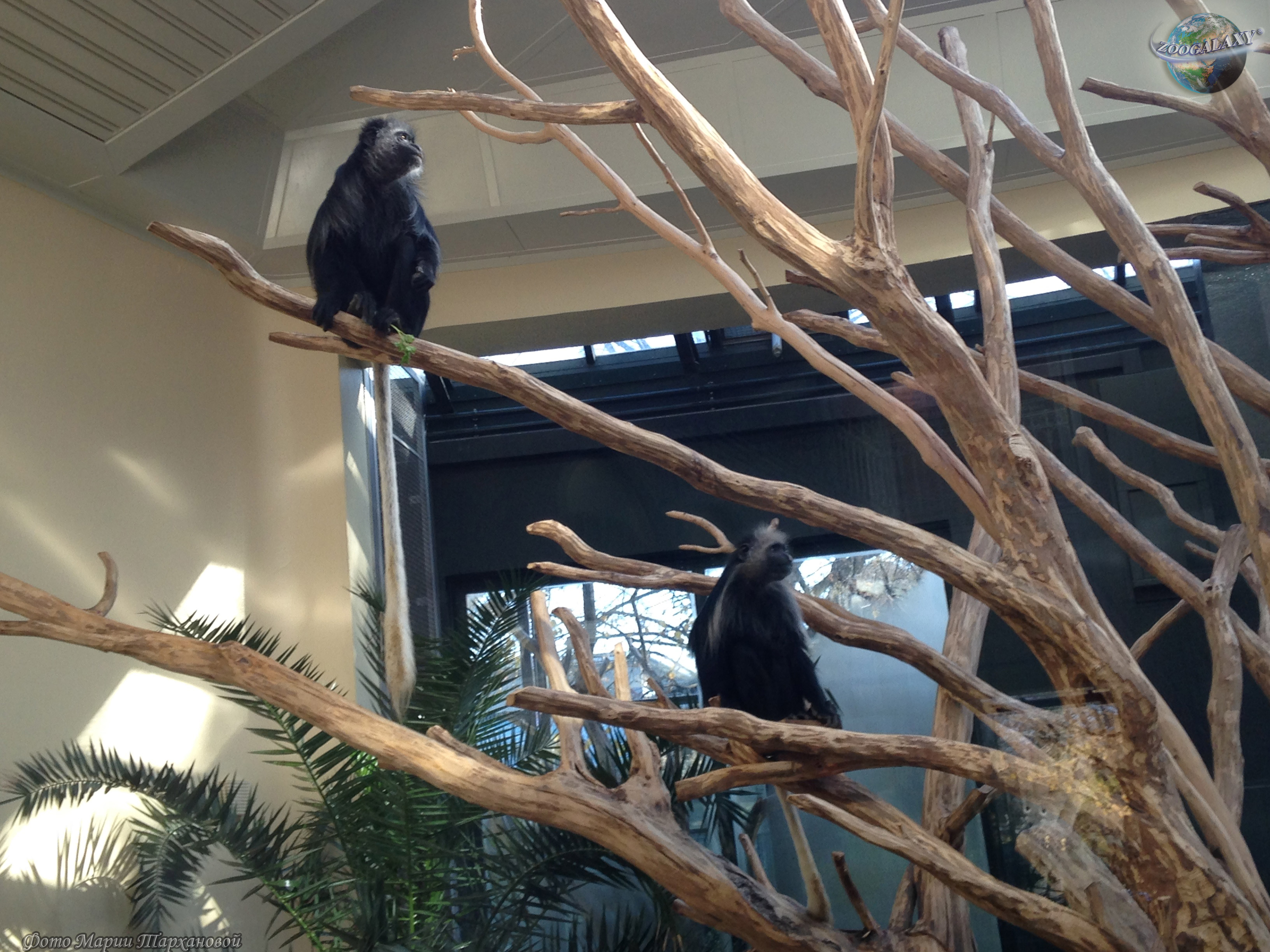
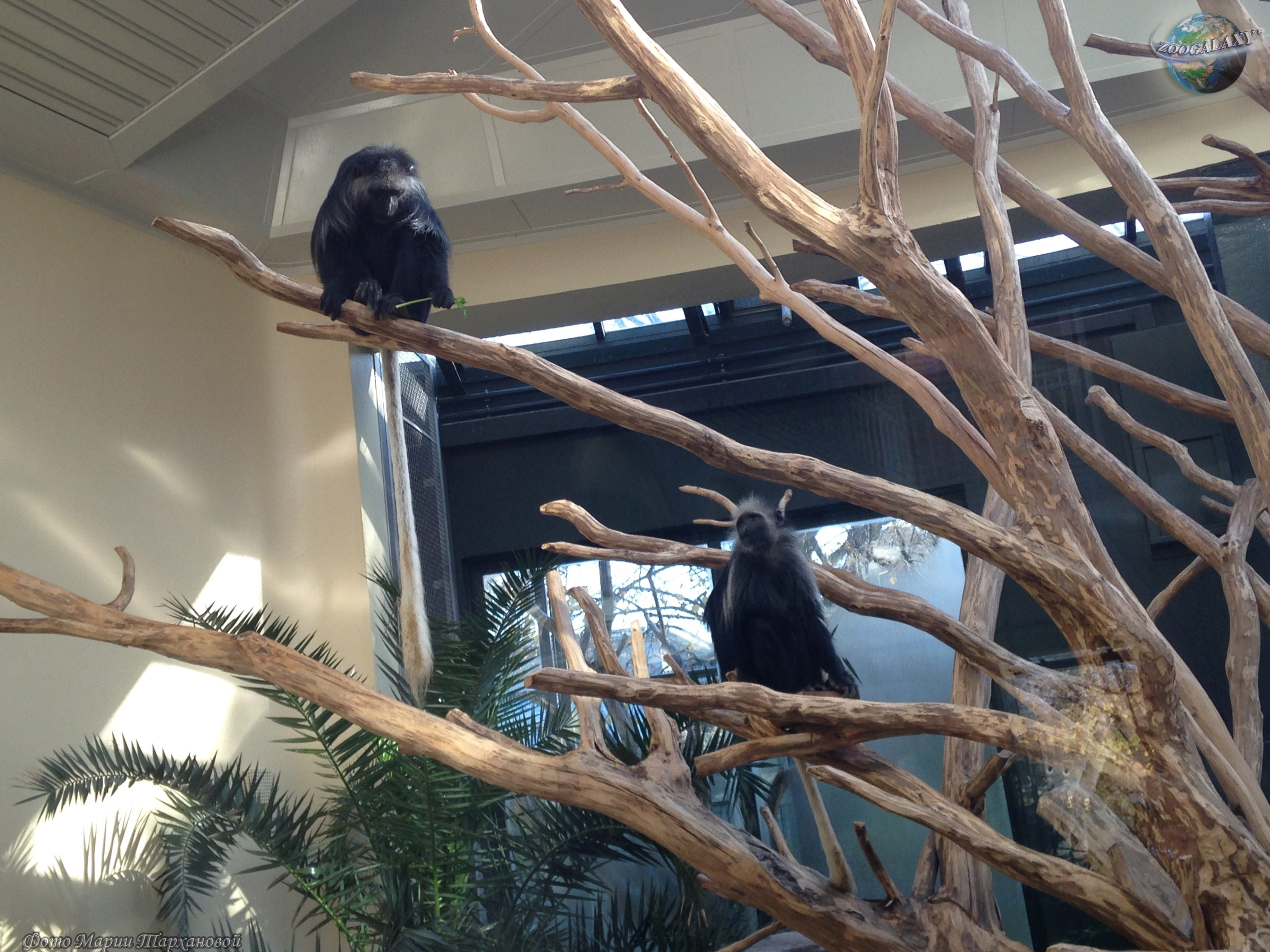

The king colobus (Colobus polykomos), also known as the western black-and-white colobus, is a species of Old World monkey, found in lowland and mountain rainforests in a region stretching from Senegal, through Guinea-Bissau, Guinea, Sierra Leone and Liberia to the Ivory Coast. One of five members of the genus Colobus, the black-and-white colobuses, the king colobus is the westernmost species of the group on the continent of Africa. It eats mainly leaves, but also fruits and flowers. Though it is arboreal, it eats primarily on the ground. It lives in small groups consisting of 3 to 4 females and 1 to 3 males, plus their young. These groups maintain distance from one another through territorial calling.
Etymology
The word 'Colobus' comes from the Greek word for 'mutilated', as all colobus monkeys only have a short stump where the thumb would be. The word 'poly' comes from the Greek word for 'many.' The word 'komos' comes from the Greek celebration of unrestrained singing. A possible subspecies known as Colobus polykomos dollmani can be found but is most likely a hybrid with Colobus vellerosus.
Area habitat and nutrition
Colobus polykomos is a species of catarrhine primate of the family Cercopithecidae. Colobus polykomos is common in the lowland and montane rainforests of Africa between The Gambia and Côte d'Ivoire.
Colobus polykomos only inhabits dense forest areas. It is an exclusively arboreal animal that remains in the bush most of the time, although it sometimes descends to the ground to feed. The Colobus polykomos, which hovers in the trees, usually makes great leaps and often hangs on its forelegs. It feeds mainly on leaves, but also eats flowers and fruits.
Threats to existence
This primate is 45-72 cm long and weighs 8-10 kg. Its head is rounded with a slightly protruding facial part; the tip of the nose is elongated, so that the nostrils open close to the upper lip. The feet of Colobus polykomos are long and the thumb is missing on the hand. Its fur is dyed black, but the hair around the head is light and there are white tufts on the shoulders. Like the eastern colobus polykomos, this species has a white tail, the length of which varies between 50 cm and 1 m.
Social behaviour and reproduction
Colobus polykomos lives in small groups of 3 to 15 individuals, including 1-3 males, 3-4 adult females and their young. The composition of females is stable, and the place of the male leader may be taken by an older offspring or a foreigner. Females are close-knit within the group and spend a lot of time grooming; males are less prone to social interactions. Each group defends its own territory. Colobus polykomos is active during daylight hours, but often gives collective "concerts" with the onset of darkness.
The gestation period of these primates is about 175 days. Females usually give birth to a calf every 20 to 24 months. The newborn calf is practically white, and the black fur does not appear for several months. Colobus polykomos reach sexual maturity at 4-6 years of age.
Threats to existence
The beautiful ornamental skins of Colobus polykomos have long attracted the attention of humans, who hunt these monkeys for their fur. Today, the main threats to the population are hunting and habitat destruction. The International Union for Conservation of Nature has designated the species as vulnerable.