














The crowned sifaka (Propithecus coronatus)
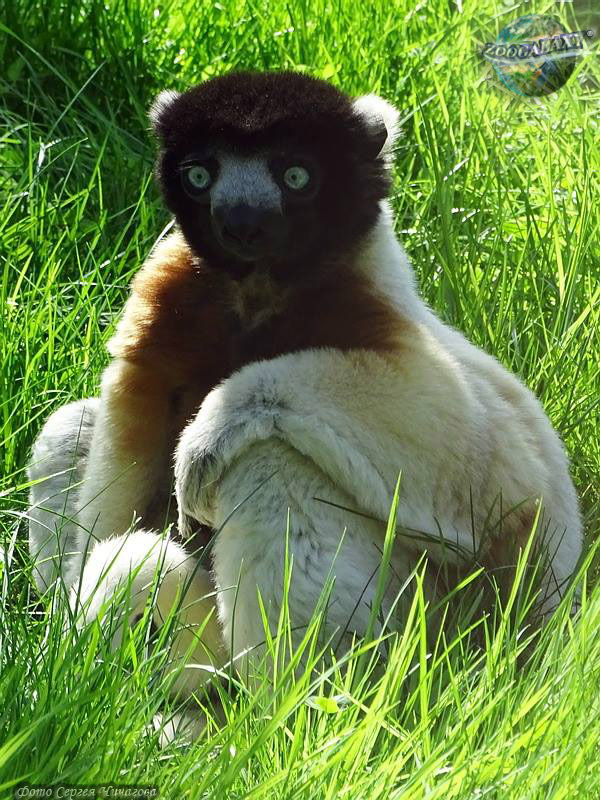
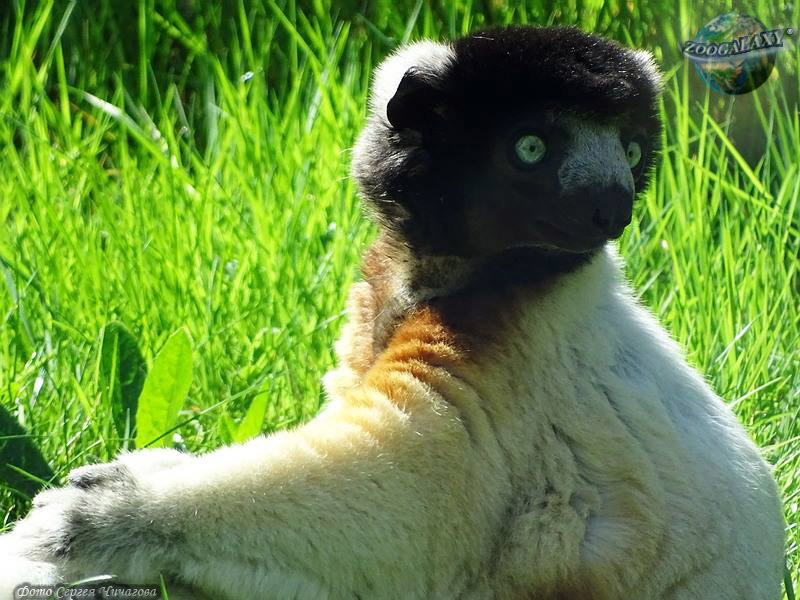
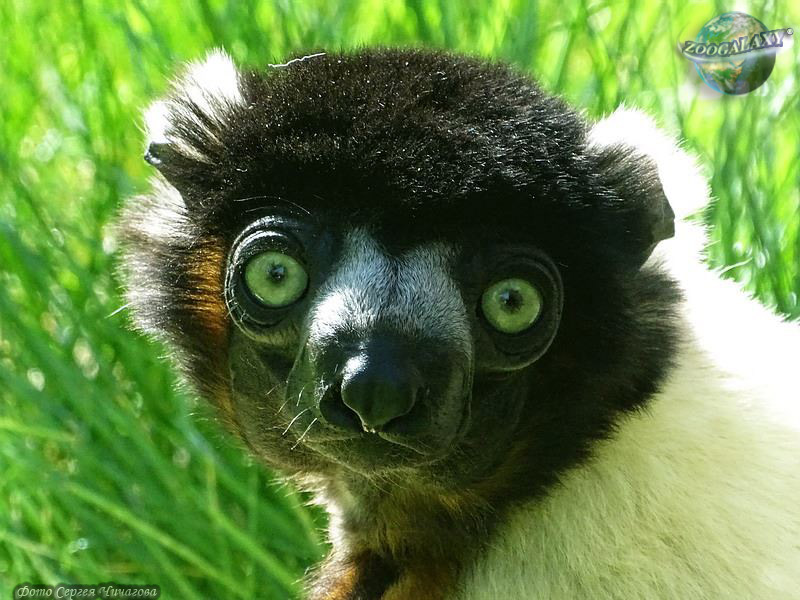
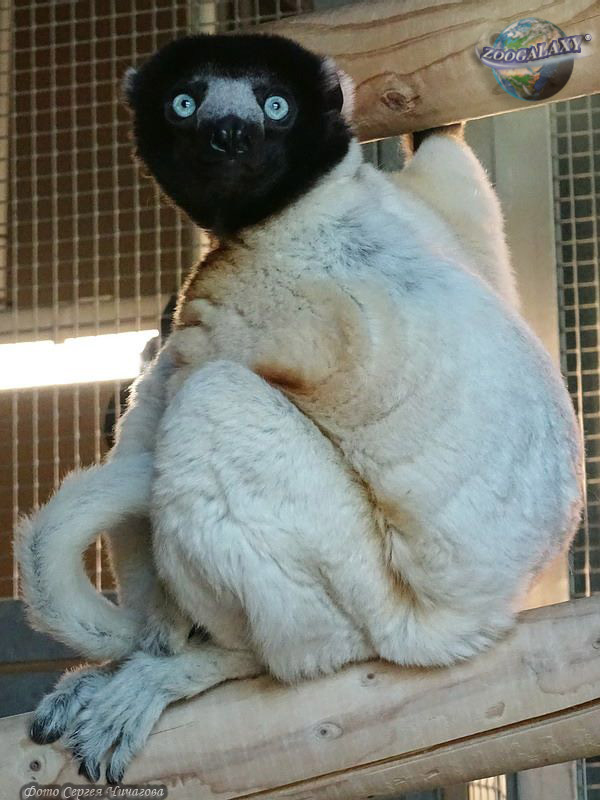
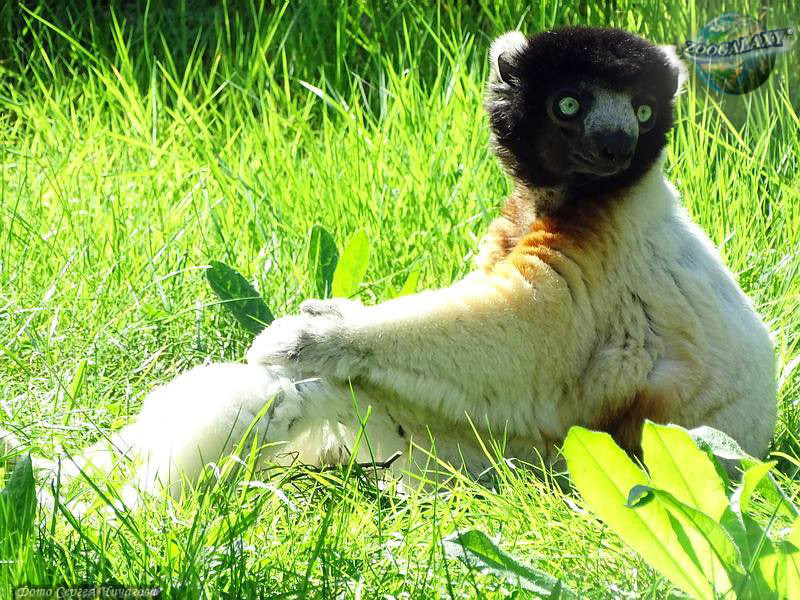
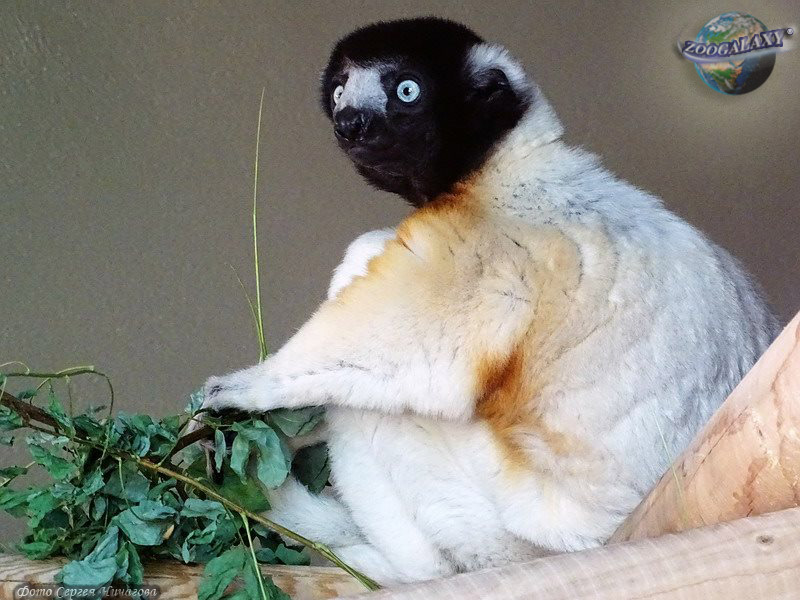
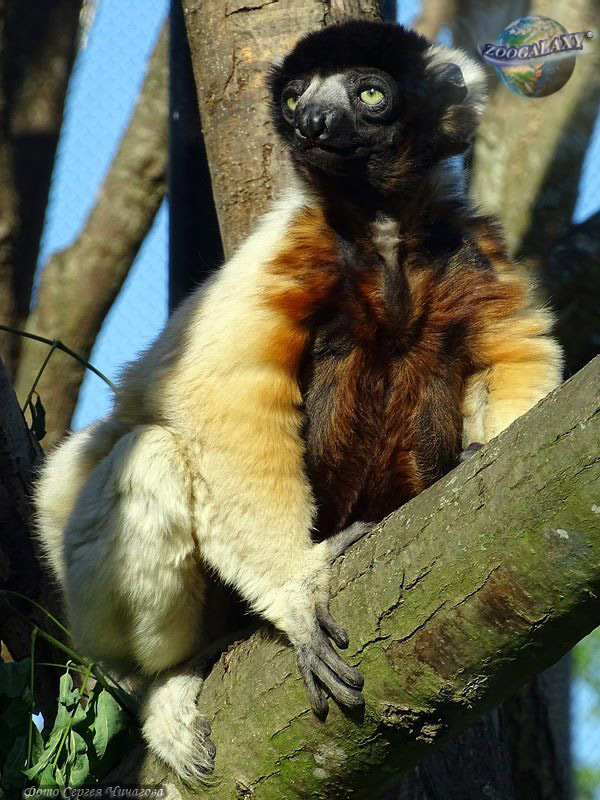
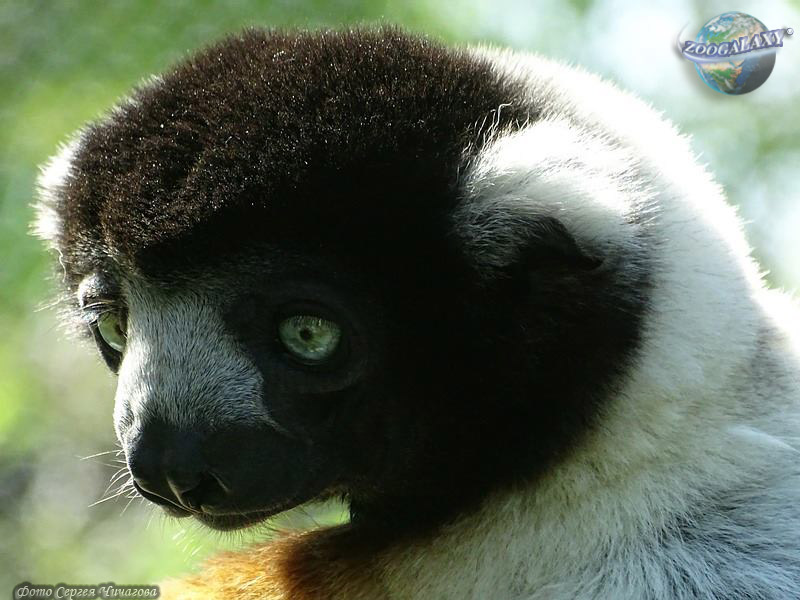

The crowned sifaka (Propithecus coronatus) is a sifaka endemic to western Madagascar, a part of the world where nature and its biological diversity faces enormous and devastating consequences resulting from anthropogenic activities.
Taxonomy
The crowned sifaka was formerly believed to be a subspecies of either Verreaux's sifaka or Von der Decken's sifaka, but is now considered a valid species following a 2007 analysis of the cranium. Melanistic individuals observed in the southern part of its range, in areas neighbouring Verreaux's sifaka and Von der Decken's sifaka's range, are the results of hybridation of Crowned sifakas with individuals of these two species. Only two melanistic forms have been documented so far: an intermediate and a dark one.
Habitat
Propithecus coronatus is a species of strepsirrhine primate of the family Indriidae. These are amazing lemurs that only inhabit Madagascar. They inhabit a small area on the west coast of the island, between the Mahavavy and Betsibouka rivers. The natural habitat of the species is dry deciduous forest up to 700 m above sea level.
Appearance
Propithecus coronatus has a body length of 40-46 cm, a tail length of 48-57 cm and a weight of 3.5-4.3 kg. Its coat is predominantly white, while its head, neck and throat are dark brown or black. The chest, shoulders and forearms are sometimes slightly yellowish. The face is hairless, grey, the ears are whitish, the hindquarters are much longer than the forelegs.
Particularities
They are diurnal inhabitants of trees, they move through the canopy, climb vertically and jump. Their long, strong hind legs allow them to make huge leaps of ten metres from one tree to another. Occasionally, Propithecus coronatus comes down to the ground: this means that it is time to replenish minerals or neutralise the poison that Propithecus coronatus absorbs in small quantities with food. To do this, the primates climb down from the trees and start eating the ground, which in this case acts as a medicine.
Social behaviour and nutrition
Propithecus coronatus live in groups of 2 to 8 animals, consisting of one or more males, one or more females and common young. They are territorial animals, with a very small area of only 1.2-1.5 ha. Moreover, they tend to stay in the centre of the area of about 0.3 ha.
During the dry season, feeding occupies 30-40% of the day, the rest is spent resting or communicating with group members. During this period, they feed on shoots, unripe fruits and leaves. Diet during the rainy season is unknown.
Life history
Not only do all Indriidae lead an arboreal lifestyle, but the diet of these primates consists mainly of leaves and flowers from trees. And with such a diet, it is very difficult to find adequate food in captivity.
Conservation status
The main threat to the species is the destruction of its habitat by logging and charcoal production. The IUCN estimates that the total population of the species has declined by more than 50% in the last 30 years (3 generations). Propithecus coronatus is included in the IUCN Red List as endangered.