














Yellow-necked mouse (Apodemus flavicollis), also called yellow-necked field mouse, yellow-necked wood mouse, and South China field mouse
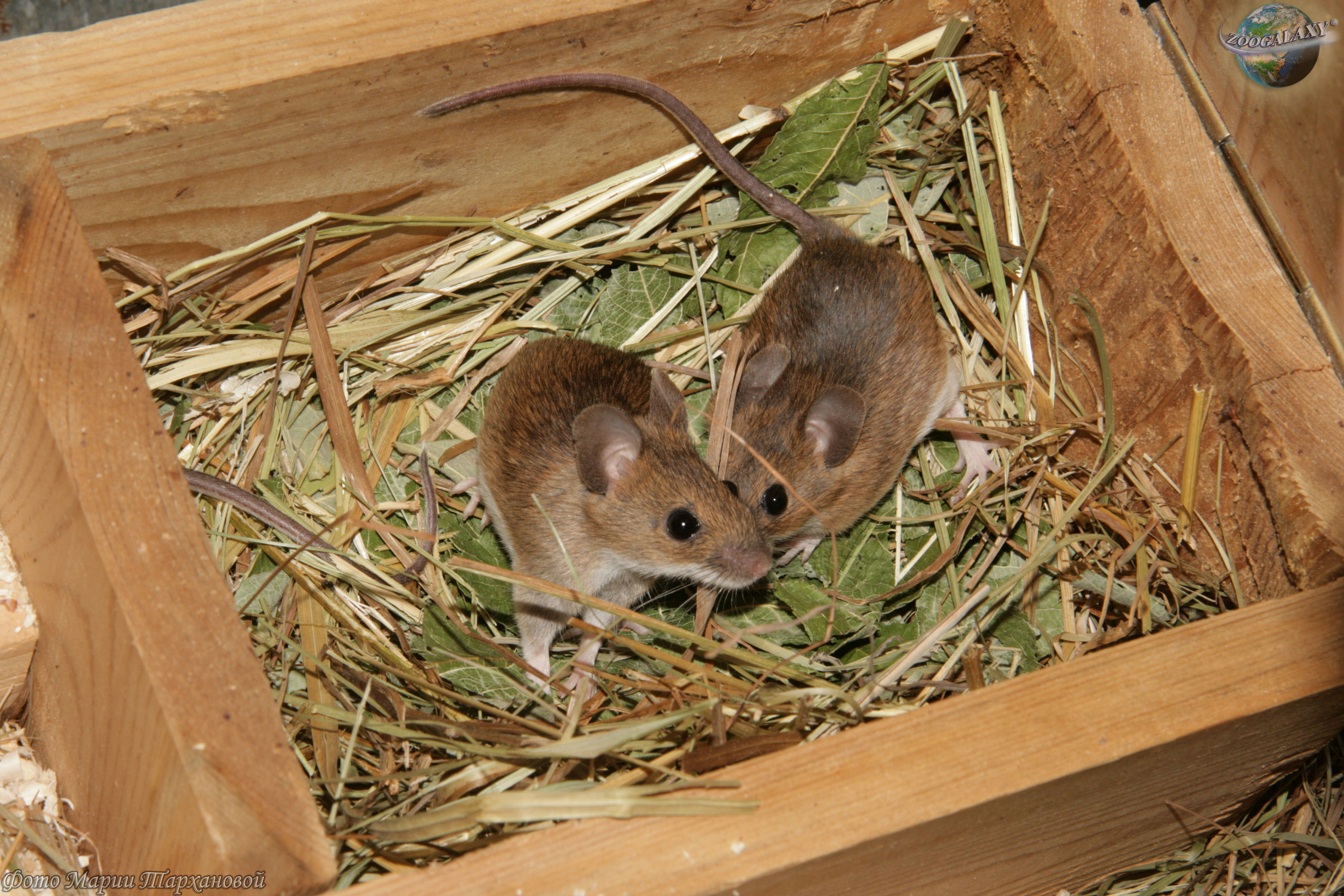
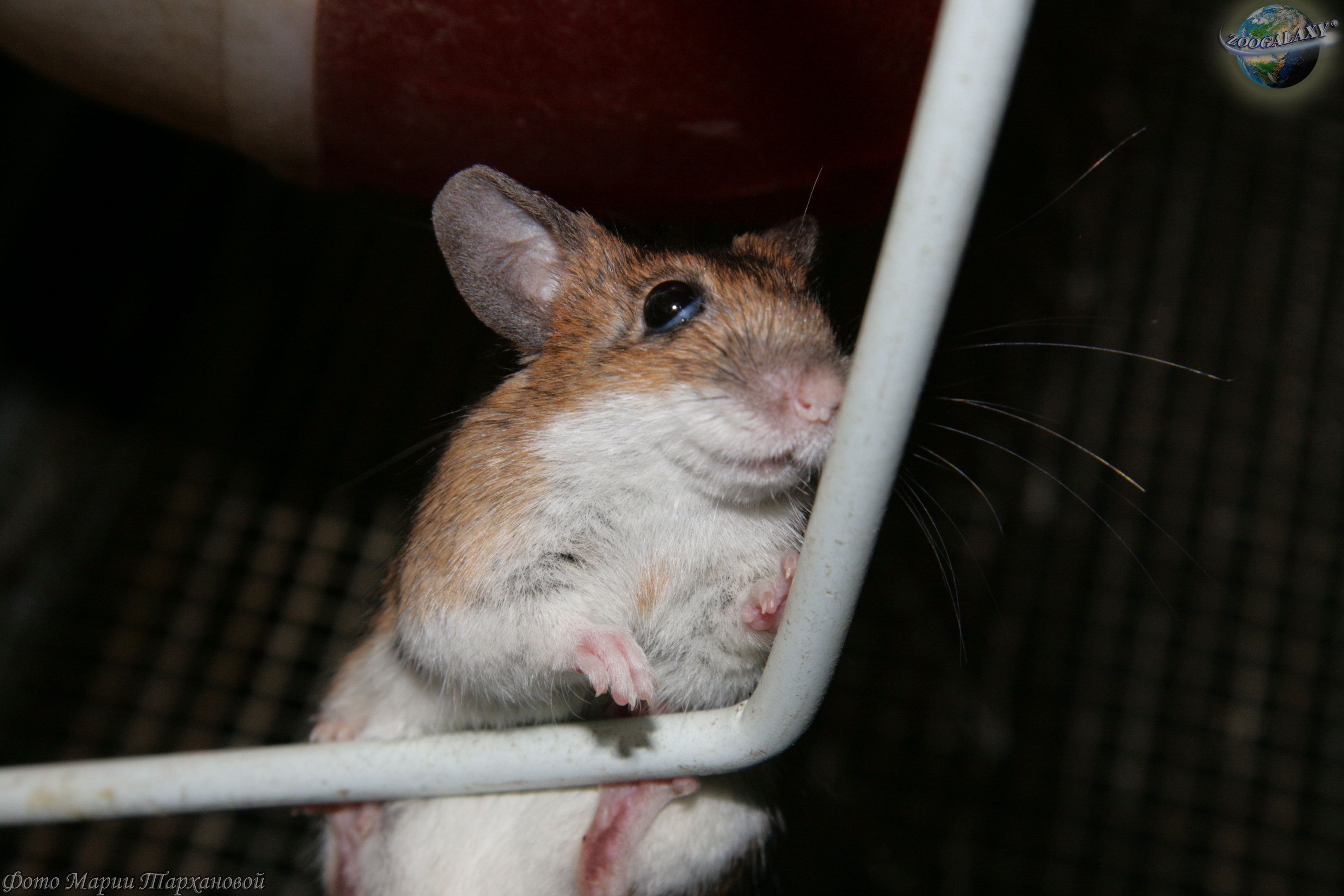
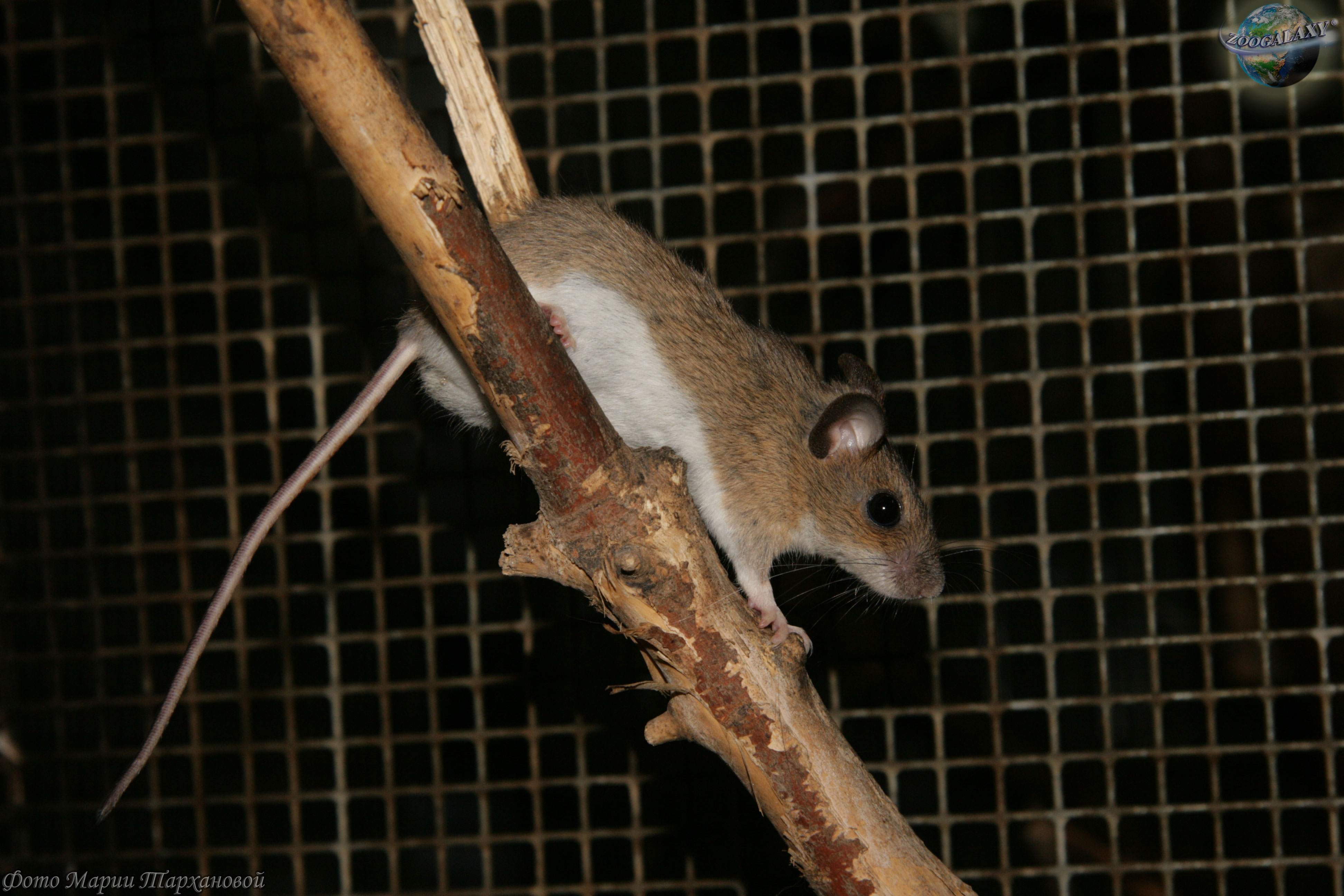
The yellow-necked mouse (Apodemus flavicollis), also called yellow-necked field mouse, yellow-necked wood mouse, and South China field mouse, is closely related to the wood mouse, with which it was long confused. It was only recognised as a separate species in 1894. It differs in its band of yellow fur around the neck and in having slightly larger ears and usually being slightly larger overall. Around 100 mm in length, it can climb trees and sometimes overwinters in houses. It is found mostly in mountainous areas of southern Europe, but extends north into parts of Scandinavia and Britain. It facilitates the spread of tick-borne encephalitis to humans and is a reservoir species for the Dobrava virus, a hantavirus that is responsible for causing haemorrhagic fever with renal syndrome.
Taxonomy
Apodemus ponticus is probably a synonym of Apodemus flavicollis. The former is found in the former Soviet Union with the boundary between the two being the political boundary between Russia and Western Europe. For many years direct comparison of the two species was not possible because of political tensions but it is now accepted that they are in reality the same species.
Distribution
The yellow-necked mouse (Apodemus flavicollis) is found mainly in the southern part of Europe, but is occasionally found in the north, particularly in Scandinavia and Great Britain. The species is included in the Red Book of the Moscow Region.
Features
The Yellow-necked mouse is similar to the European mouse and was recognised as a separate species only in 1894. Yellow-necked mouse is distinguished by a band of yellow fur around the neck, its ears are larger and it is usually a bit larger. Its body length reaches up to 10 cm.
The Yellow-necked mouse is most abundant in broadleaved forests, especially in tall oak forests (more abundant in upland forests than in floodplains) and mountain beech forests; it also inhabits mixed forests in the presence of broadleaved species.
Habitat
More narrowly adapted than the common wood mouse to high-stemmed, shaded, old-growth stands, and does not usually venture beyond woodland, at least in the eastern and central parts of its distribution area. In this regard, some isolated island forests may remain uninhabited by this species for a long time after its disappearance in them. In mountains (Carpathians, Caucasian Reserve) it is widespread up to the upper boundary of the forest, and in summer it inhabits also among stone placers of the alpine belt. Like the common wood mouse, it is constantly found in dwellings and households in winter. Yellow-necked mouse is capable of climbing trees.
Yellow-necked mouse settles mainly in hollow trees at different heights - from the root area up to 10 and even 12 metres, and also digs burrows under roots. These latter can be formed by rather long passages, reach a depth of 1.5 m and have extensive chambers for storing supplies. More often than other forest rodent species Yellow-necked mouse inhabits artificial bird's nests, especially in forests with few hollow trees, breeds in them and stores its winter reserves.
Diet and lifestyle
Yellow-necked mouse is a more pronounced seed-eater than the common wood mouse. It eagerly eats seeds of broad-leaved species (in order of preference: beech nuts, acorns, hazel nuts, linden and maple seeds) and some shrubs of broad-leaved forests (e.g. birch bark); it also feeds on sprouts and leaves of the same species and some herbaceous plants (lily of the valley, snowdrop, etc.). Yellow-necked mice start eating seeds of the current year's crop long before they are fully ripe. Their winter reserves reach 4 kg. The burrows of the Yellow-necked mouse are shallow and simple. It digs burrows in tree roots. Sometimes lives in hollow trees. It does not hibernate in winter.
Breeding
Yellow-necked mouse has 2-4 broods per year, with an average brood size of 6 cubs. Arrivals of the first litter breed in the same year. Numbers fluctuate depending on seed yields of the main broad-leaved species. Frosty and snowless winters, as well as alternating thaws and frosts in the second half of the winter, have an unfavourable effect on this species.