














The wolf, the gray wolf or grey wolf (Canis lupus)
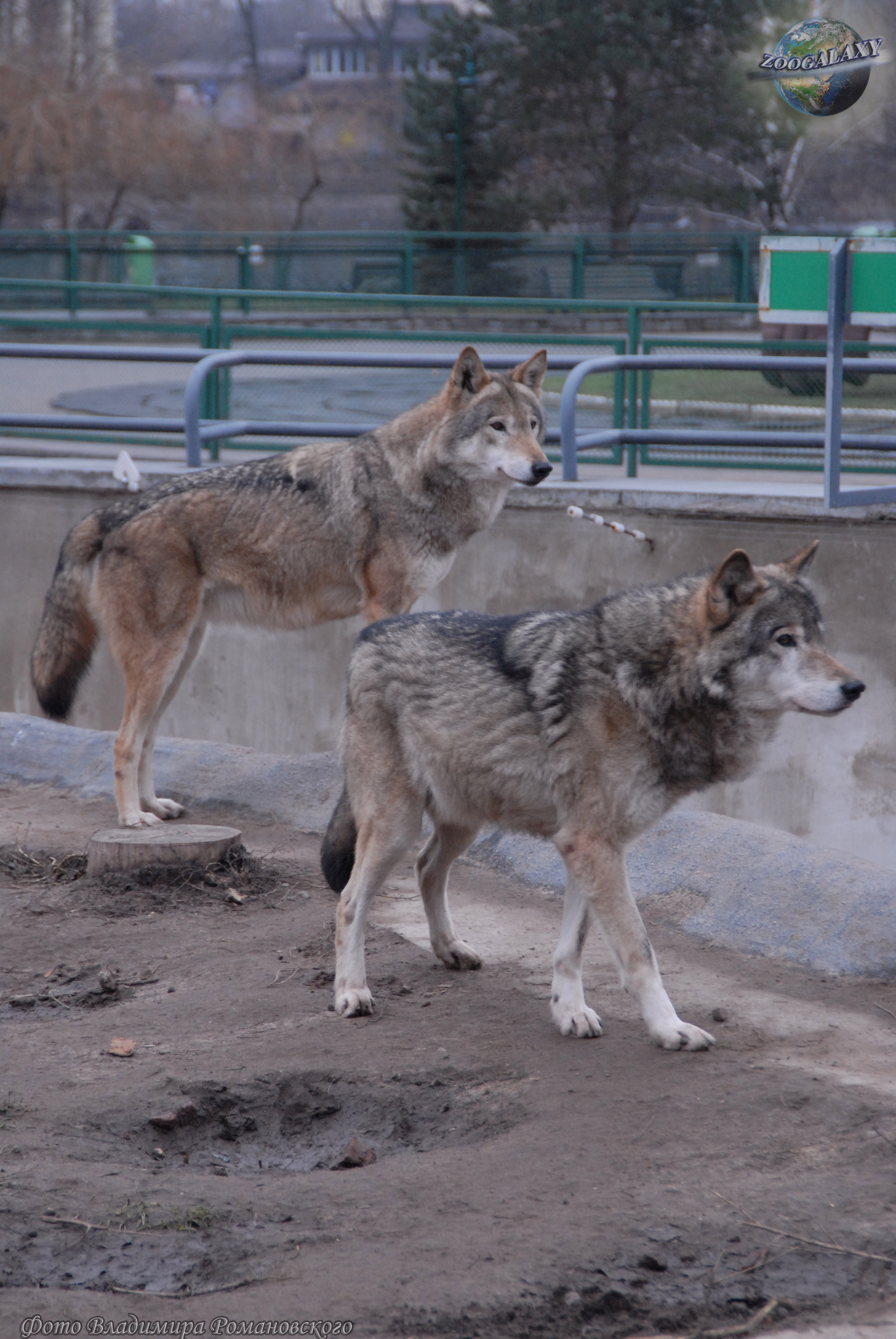
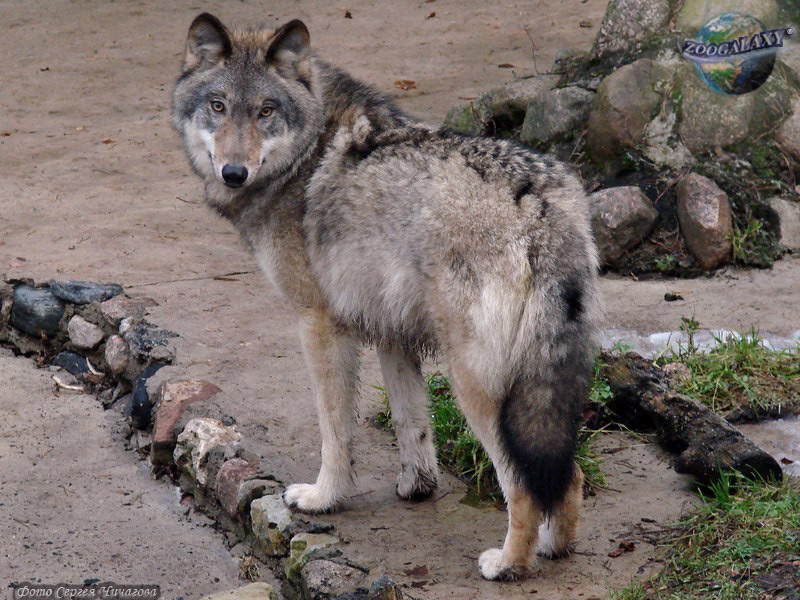
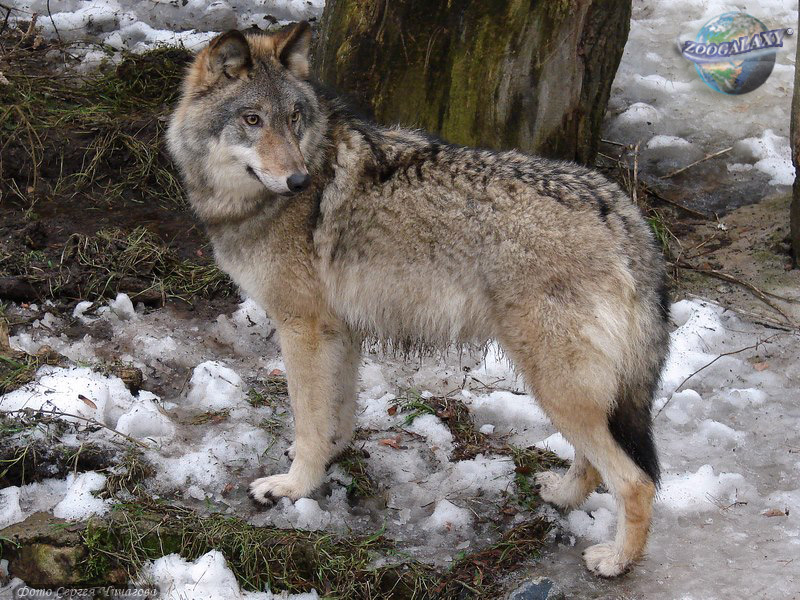
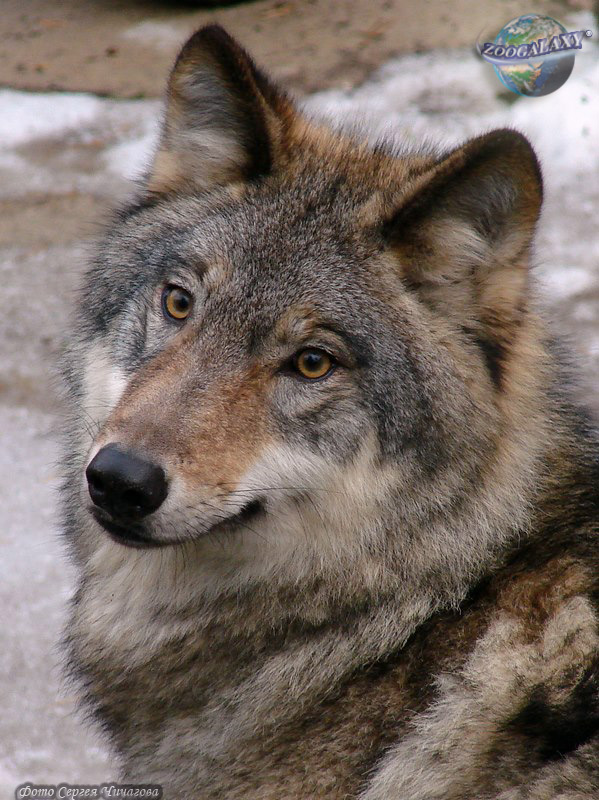
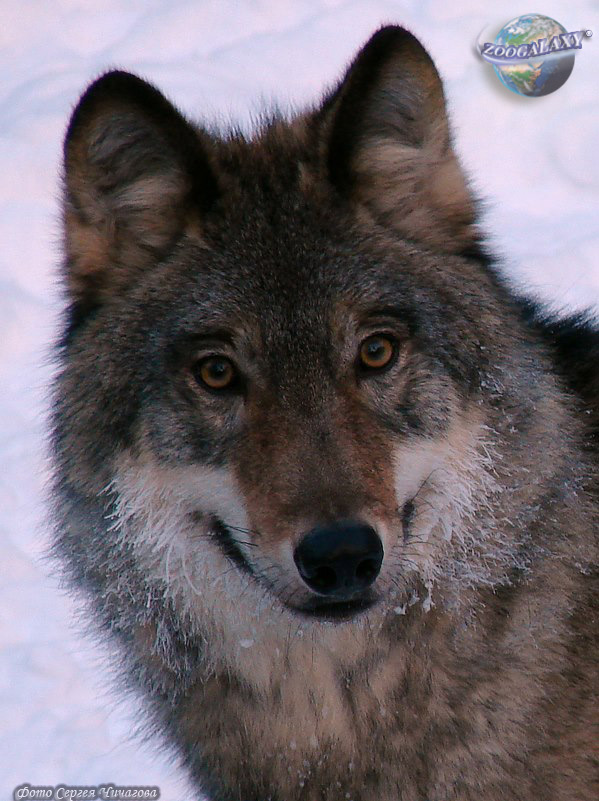
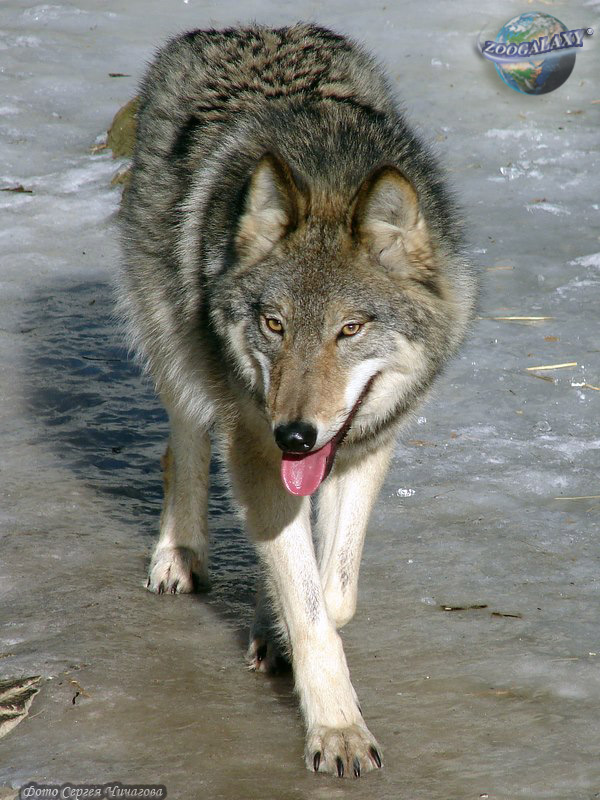
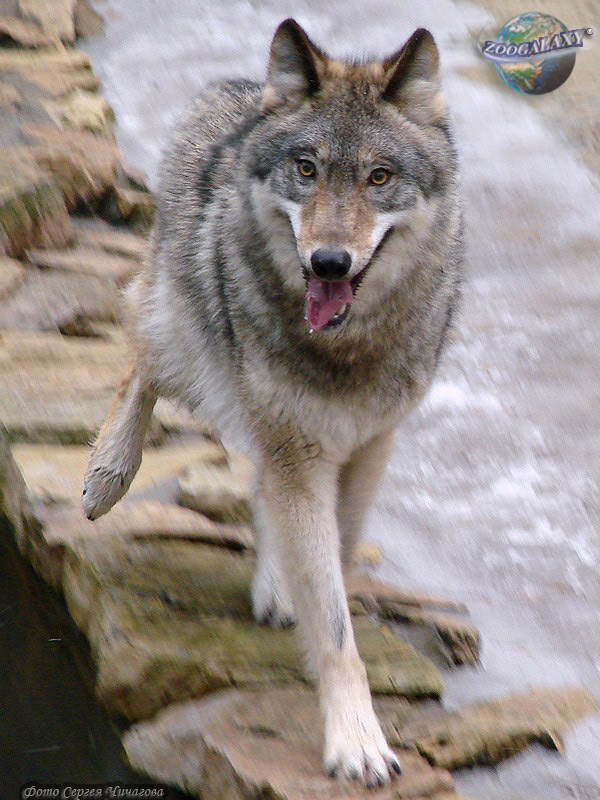
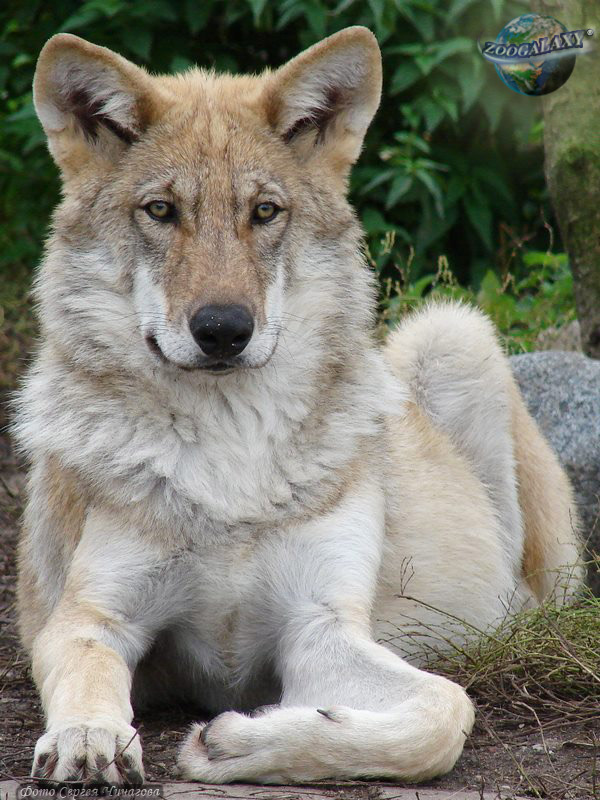
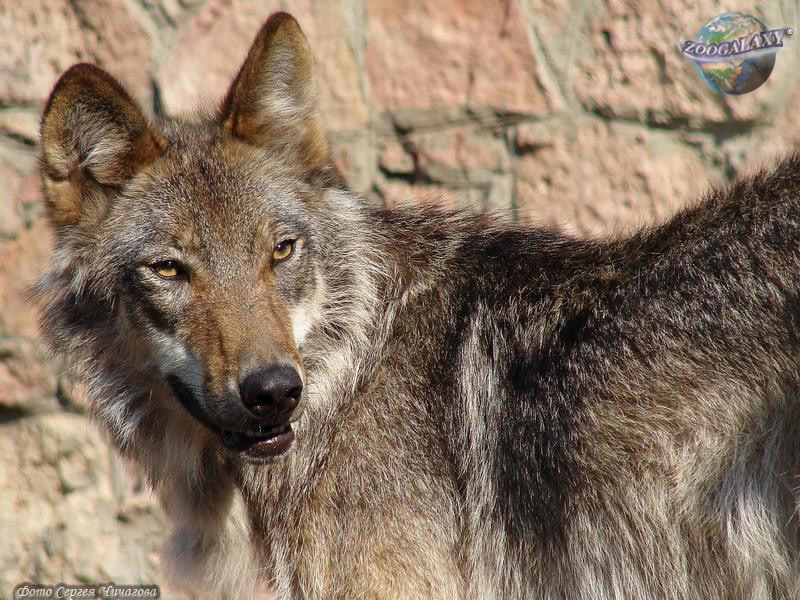
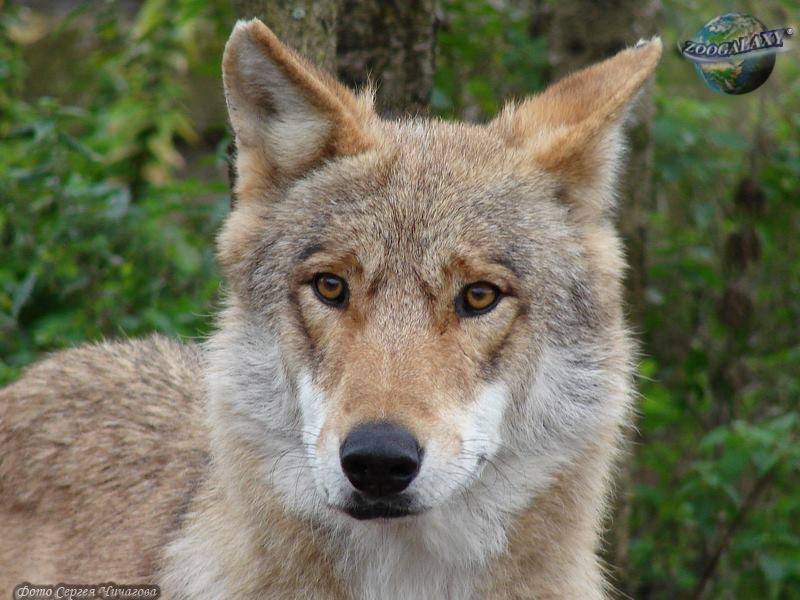
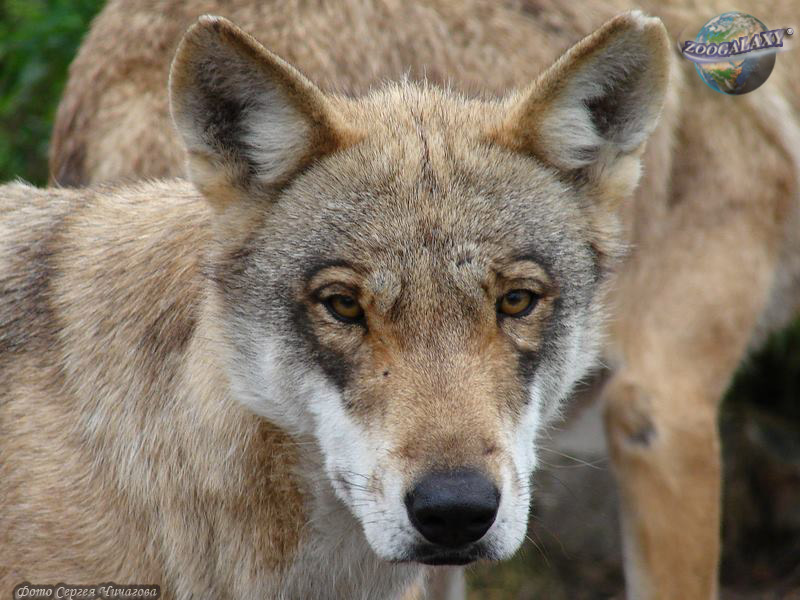
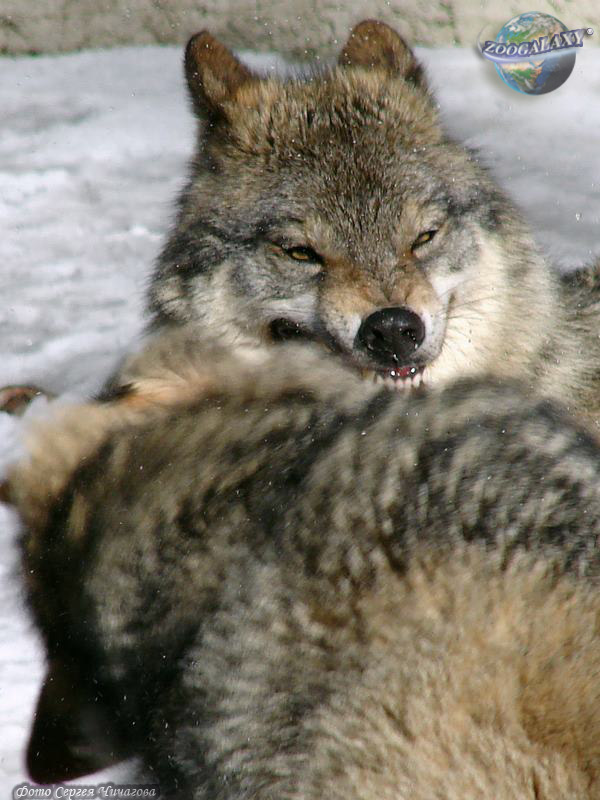
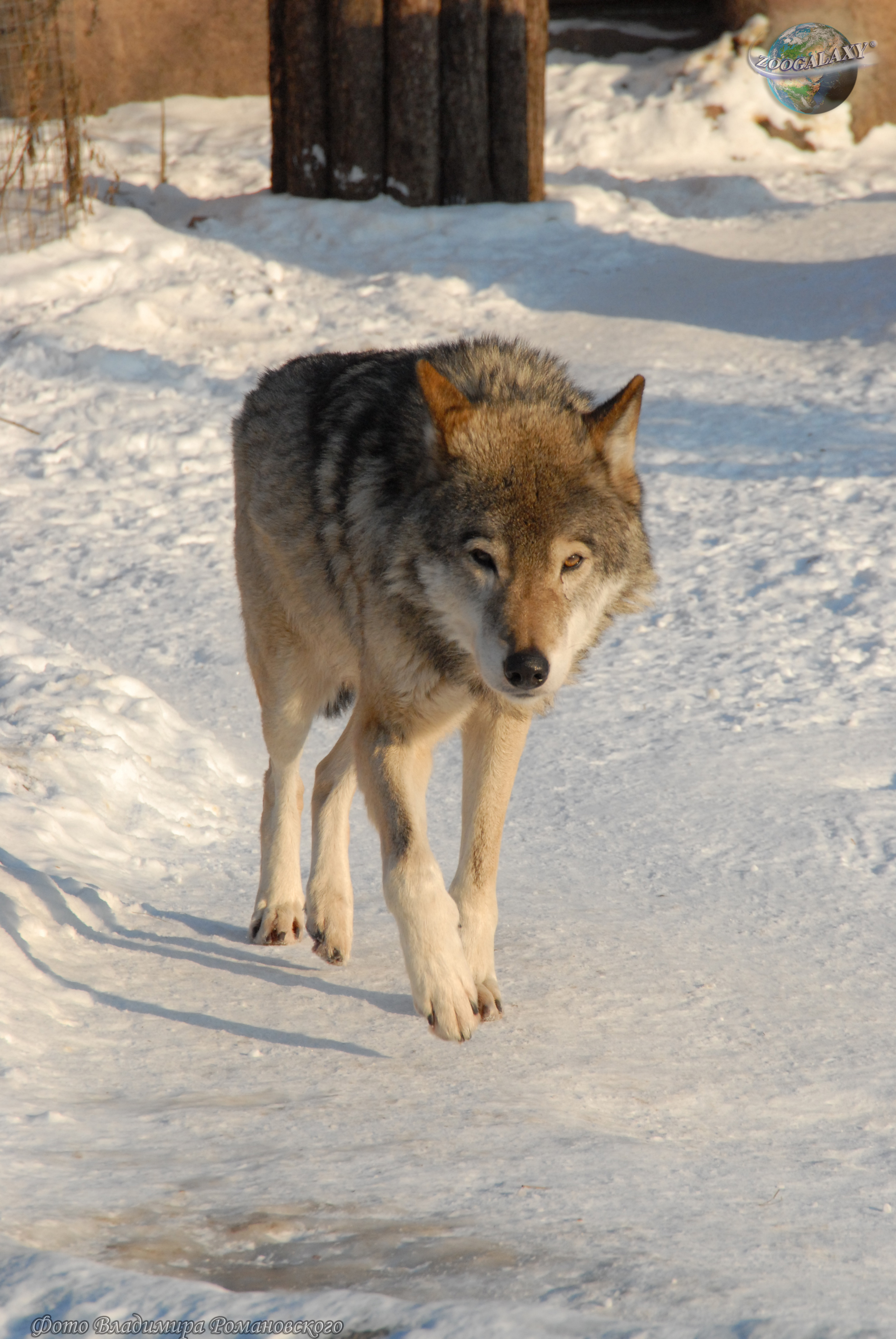
The wolf (Canis lupus; pl.: wolves), also known as the gray wolf or grey wolf, is a large canine native to Eurasia and North America. More than thirty subspecies of Canis lupus have been recognized, including the dog and dingo, though gray wolves, as popularly understood, only comprise naturally-occurring wild subspecies. The wolf is the largest extant member of the family Canidae, and is further distinguished from other Canis species by its less pointed ears and muzzle, as well as a shorter torso and a longer tail. The wolf is nonetheless related closely enough to smaller Canis species, such as the coyote and the golden jackal, to produce fertile hybrids with them. The wolf's fur is usually mottled white, brown, gray, and black, although subspecies in the arctic region may be nearly all white.
Canis lupus is a species of placental mammal of the carnivore order. It is difficult to find a more charismatic animal than the wolf, which is so closely associated with man. In ancient times, humans worshipped the wolf and considered it their ancestor. They followed packs of agile and skilful hunters and did not disdain to gorge themselves on their prey. The constant proximity and cunning of this beast undoubtedly served to domesticate it.
The domestic dog (Canis familiaris) was considered to be a member of the same species according to various indications, DNA sequencing and other genetic studies. However, it was not until 1758 that it was considered a distinct species by biologists.
Nevertheless, man and wolf have always been rivals, and the history of their relationship is full of drama. There was a time when the wolf was considered the number one enemy, and there was a significant reward for killing it. This has resulted in the wolf disappearing completely in most European countries and being on the verge of extinction in many parts of the world.
Attitudes towards the wolf began to change radically in the middle of the last century in connection with the modern understanding of the principles of natural community organisation. The wolf was recognised as an important regulator of wild ungulate numbers, and was referred to as the "forest sanitary". Some countries even began to consider the possibility of reintroducing this species into their territories.
Appearance
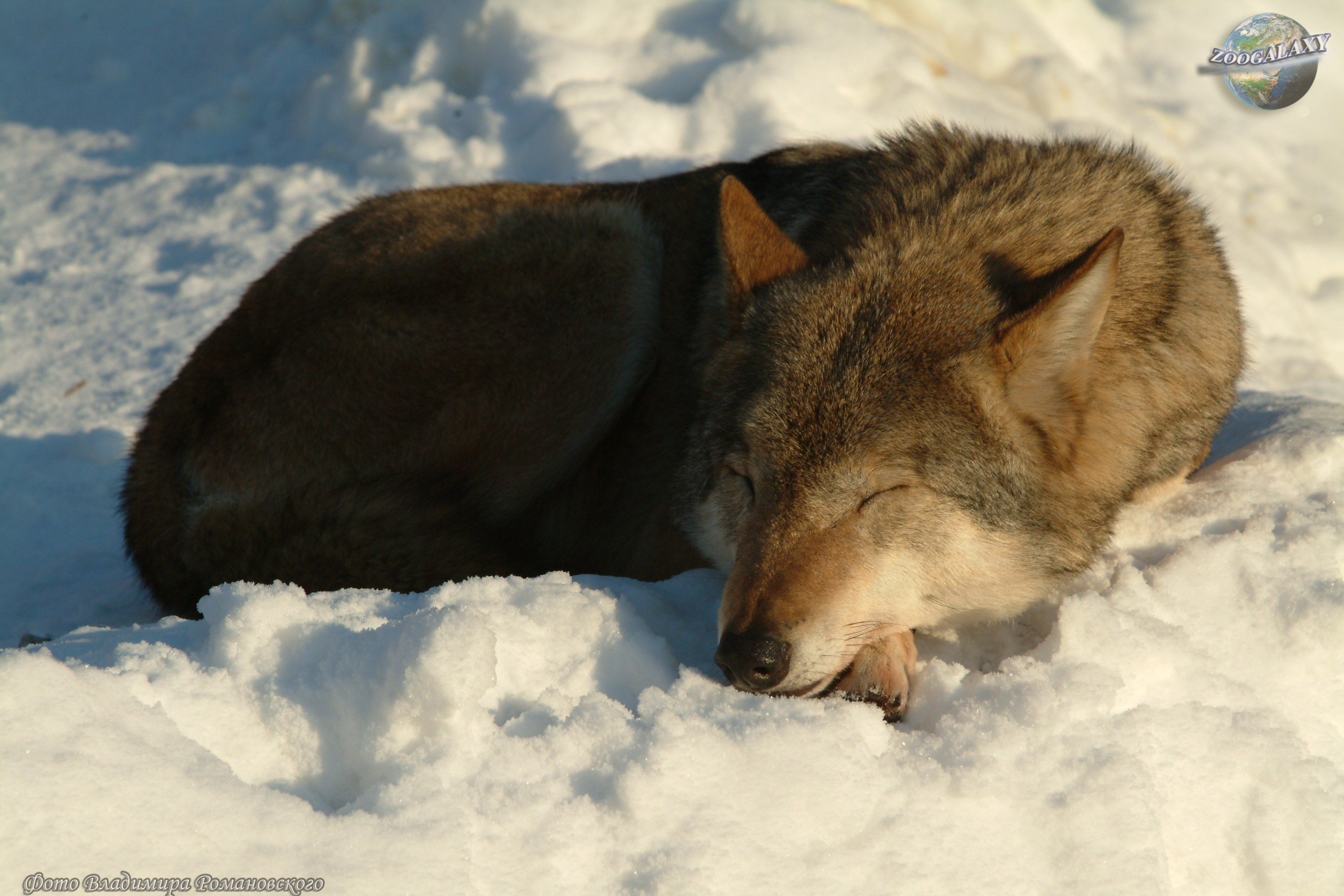
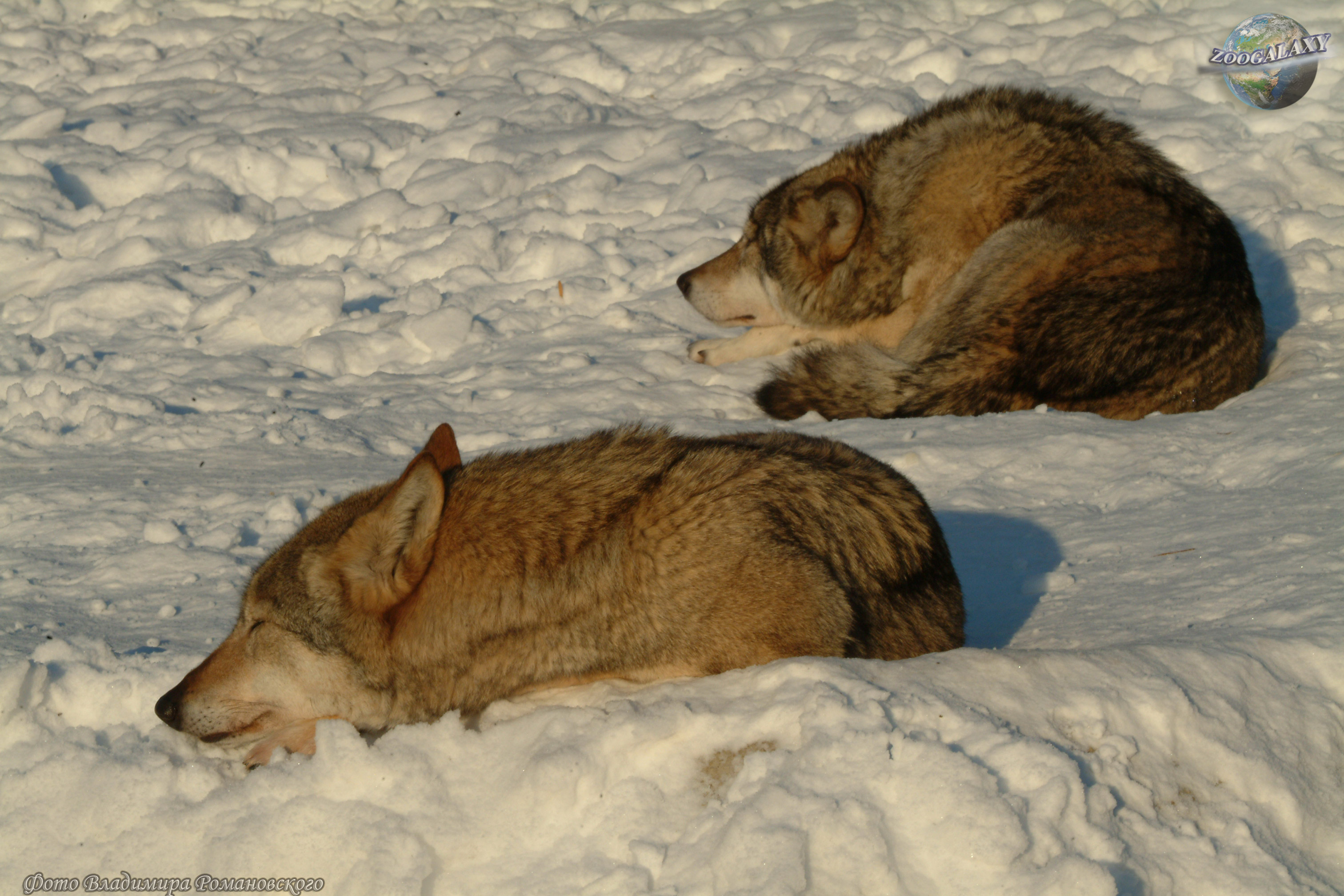
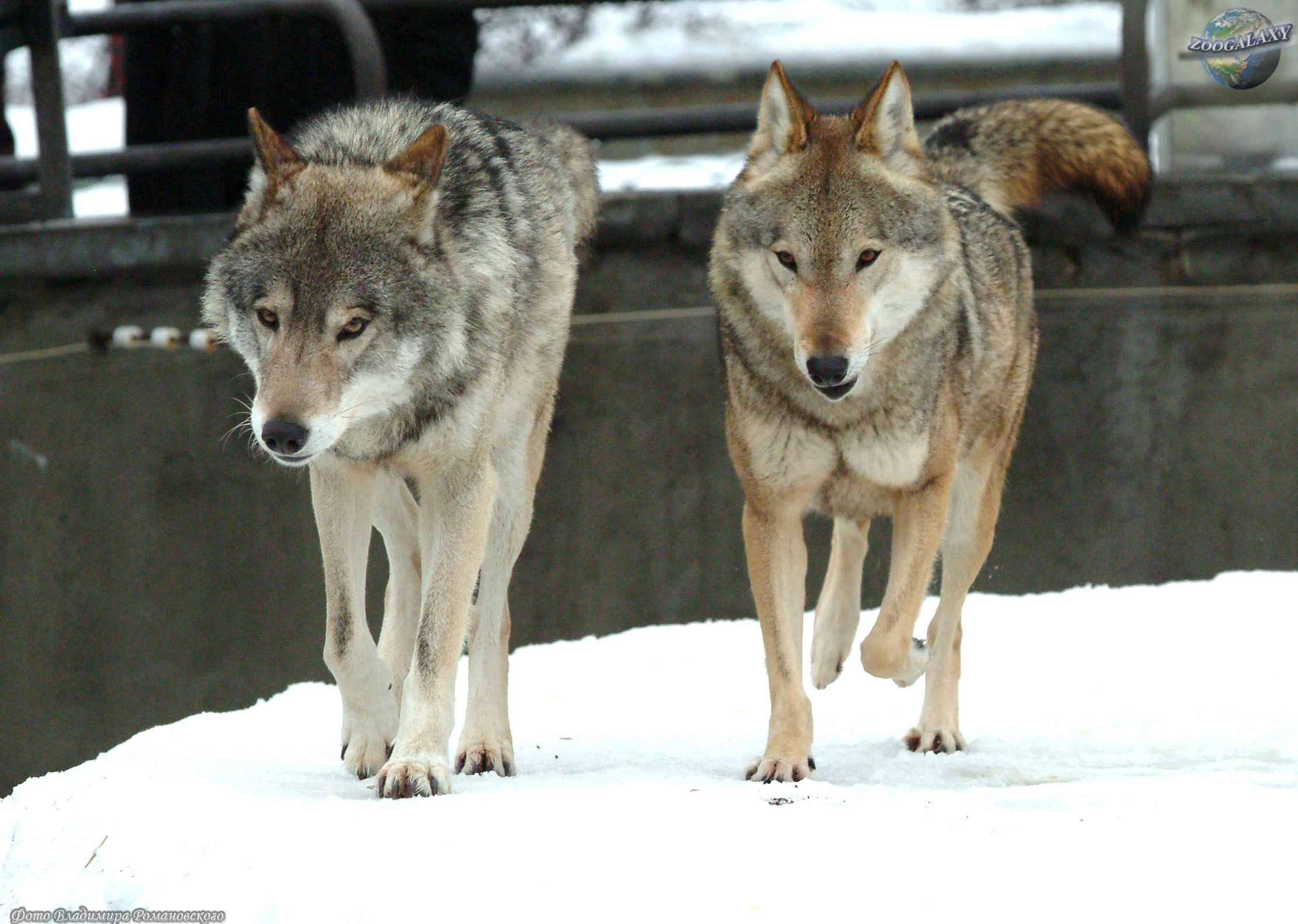
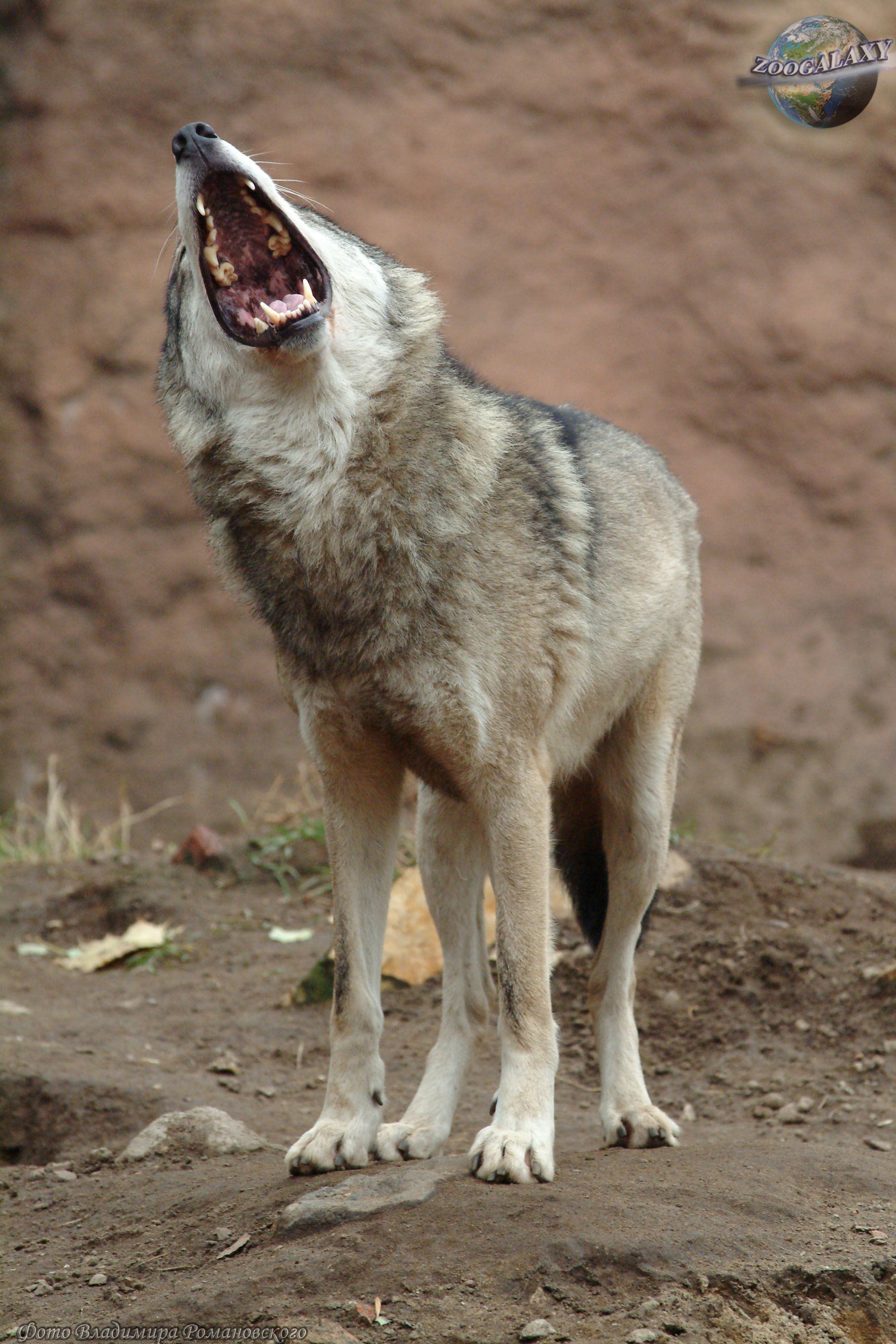
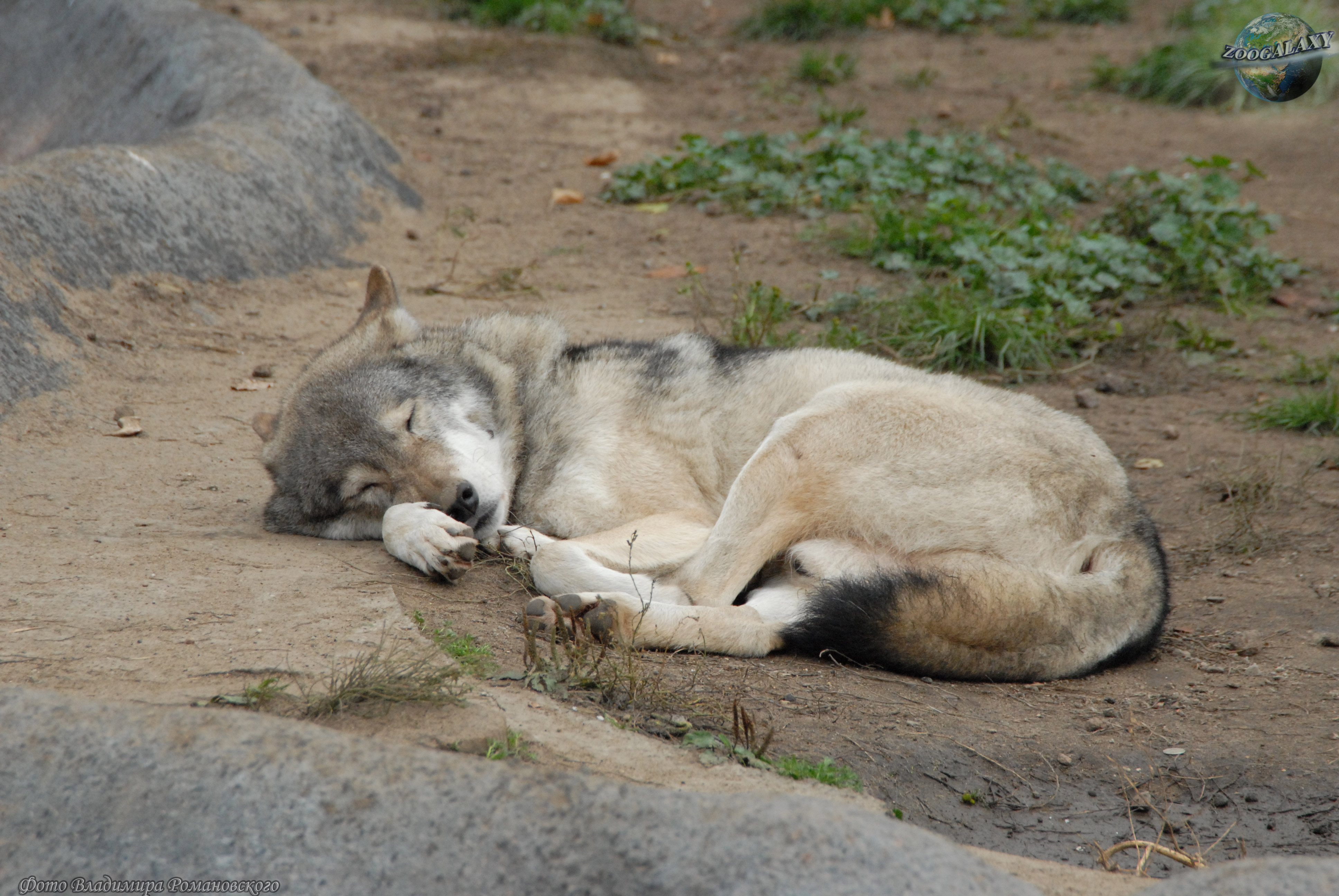
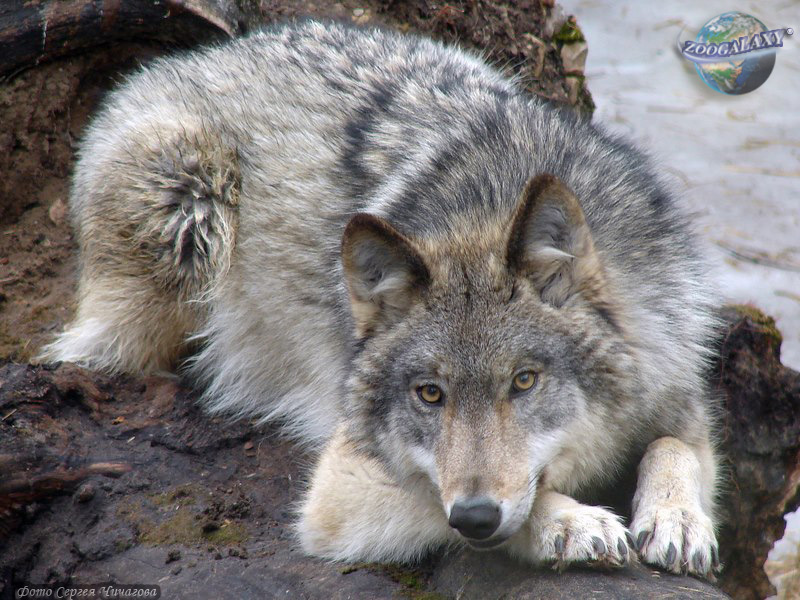
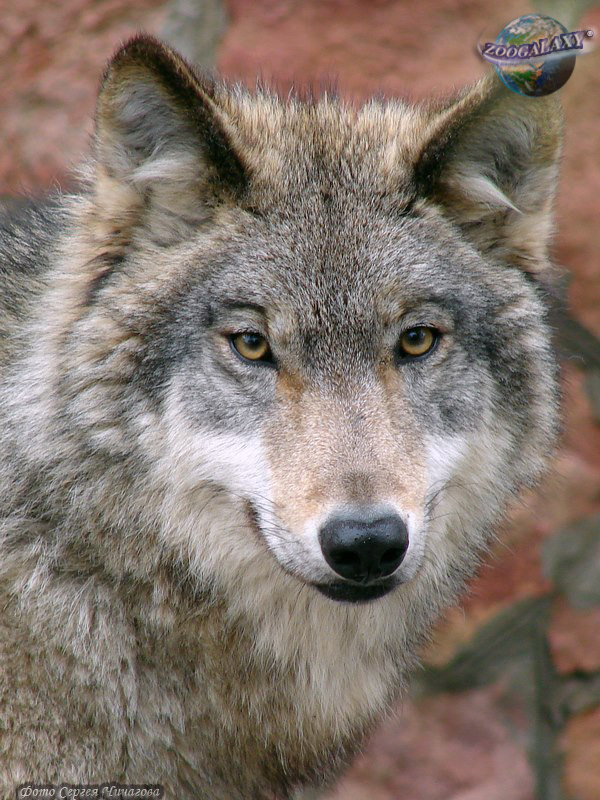
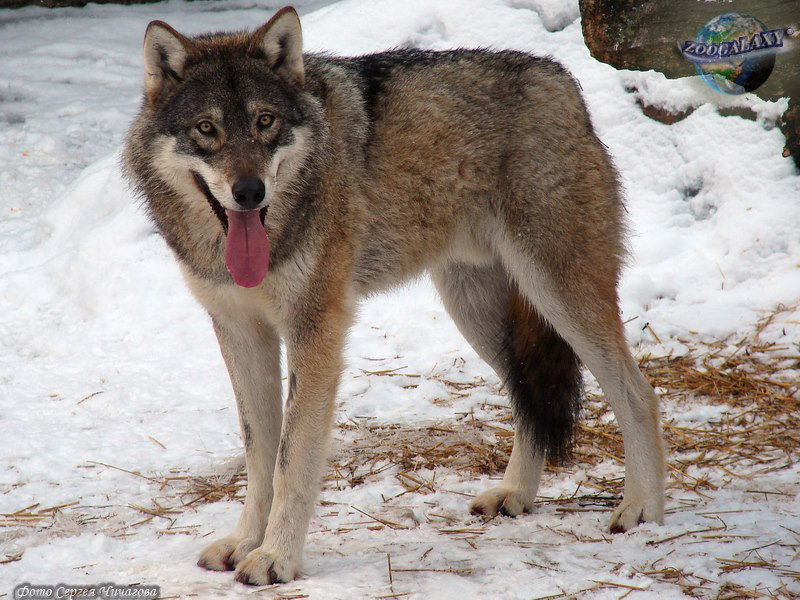
Canis lupus is the largest of the canine family. It is a splendid, well-proportioned animal with slender, strong legs, a powerful head and neck, and an elongated snout with "sideburns". Males are slightly larger than females and differ from them in having a more closely set head (photo 1). The teeth and jaws of these predators are so strong that they can crush very large bones (e.g. the femur of a moose) (photo 11). The coat of Canis lupus is thick, fairly long and consists of two layers. The first layer consists of stiff hairs that repel water and dirt, while the second layer, a downy undercoat, has excellent insulating properties. Thanks to this coat, the Canis lupus hardly freezes or gets wet; for example, it can sleep safely on snow in winter (photo 2, 3).
Social behaviour and peculiarities
Canis lupus live in packs of 2 to 20 animals. The pack is usually a large family consisting of parents and offspring of several generations, but sometimes unrelated animals join the pack. They remain as "uncles" and help raise young, hunt and guard the area.
The basis of a family is a breeding pair, which usually lasts a lifetime unless one member of the pair dies (photo 7, 12).
Each family reserves and guards a specific feeding area, where "outsiders" are not allowed. Canis lupus mark the boundaries of their territory with scent markers - they spray urine on stumps and large stones - and inform their neighbours of their rights by howling.
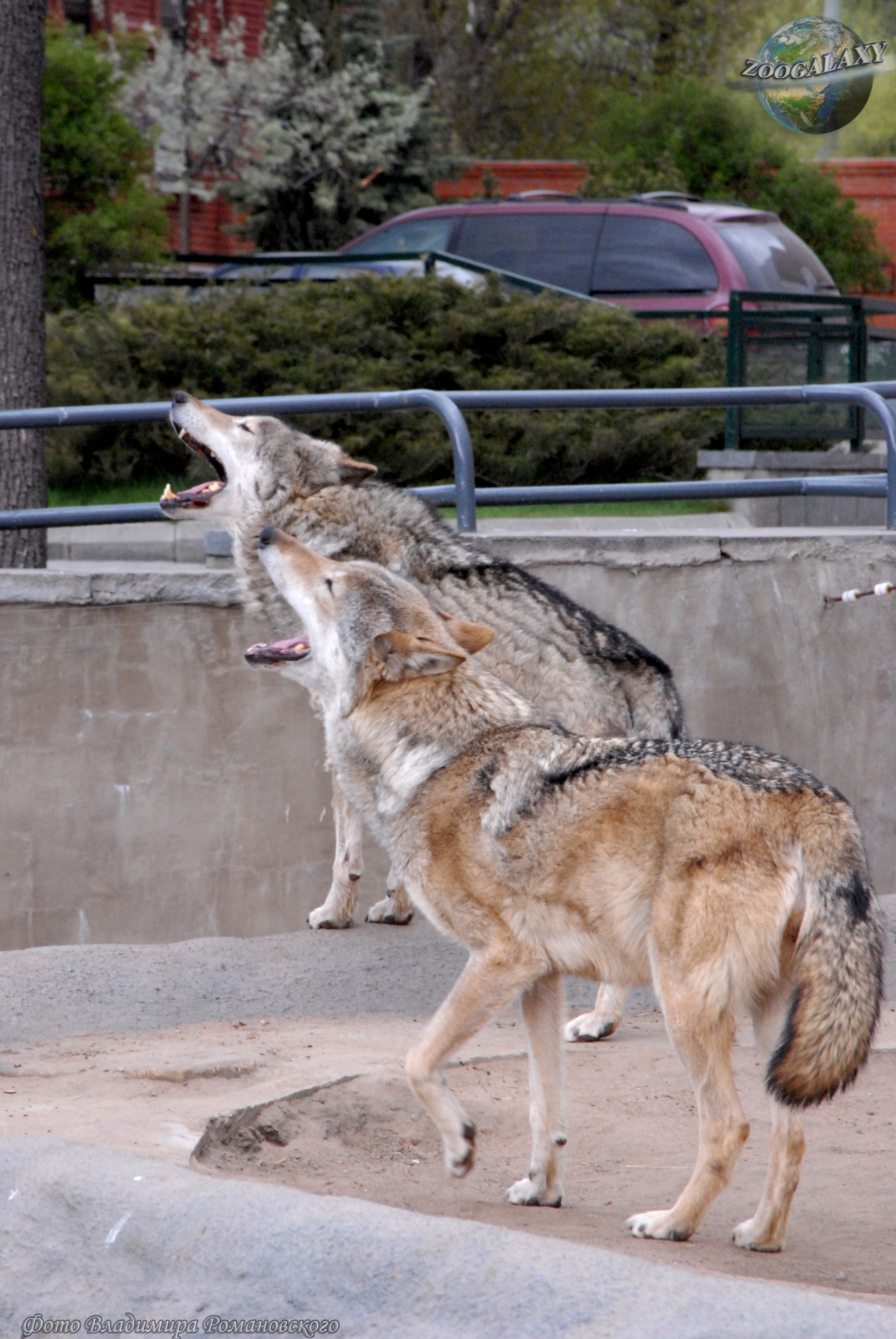
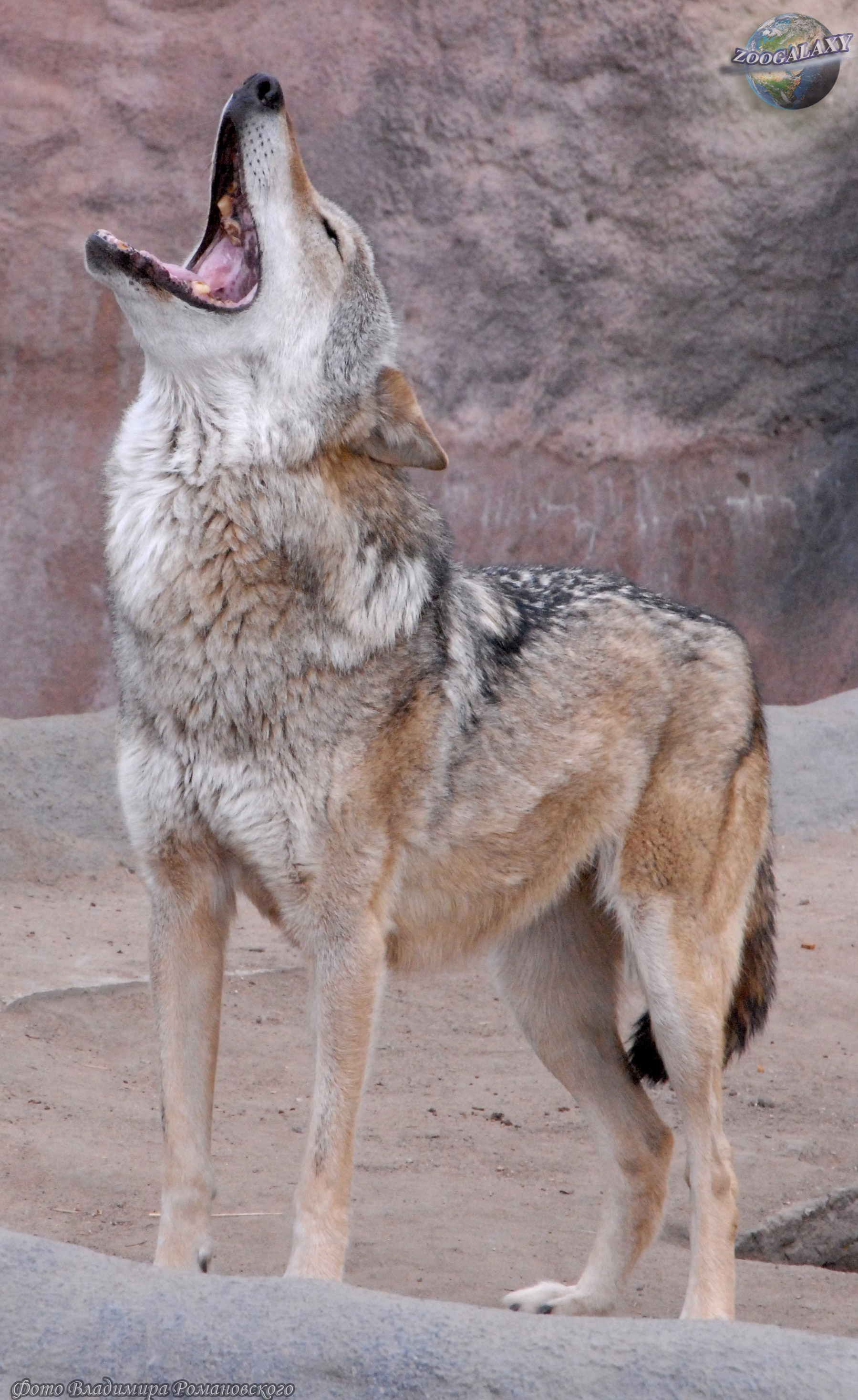
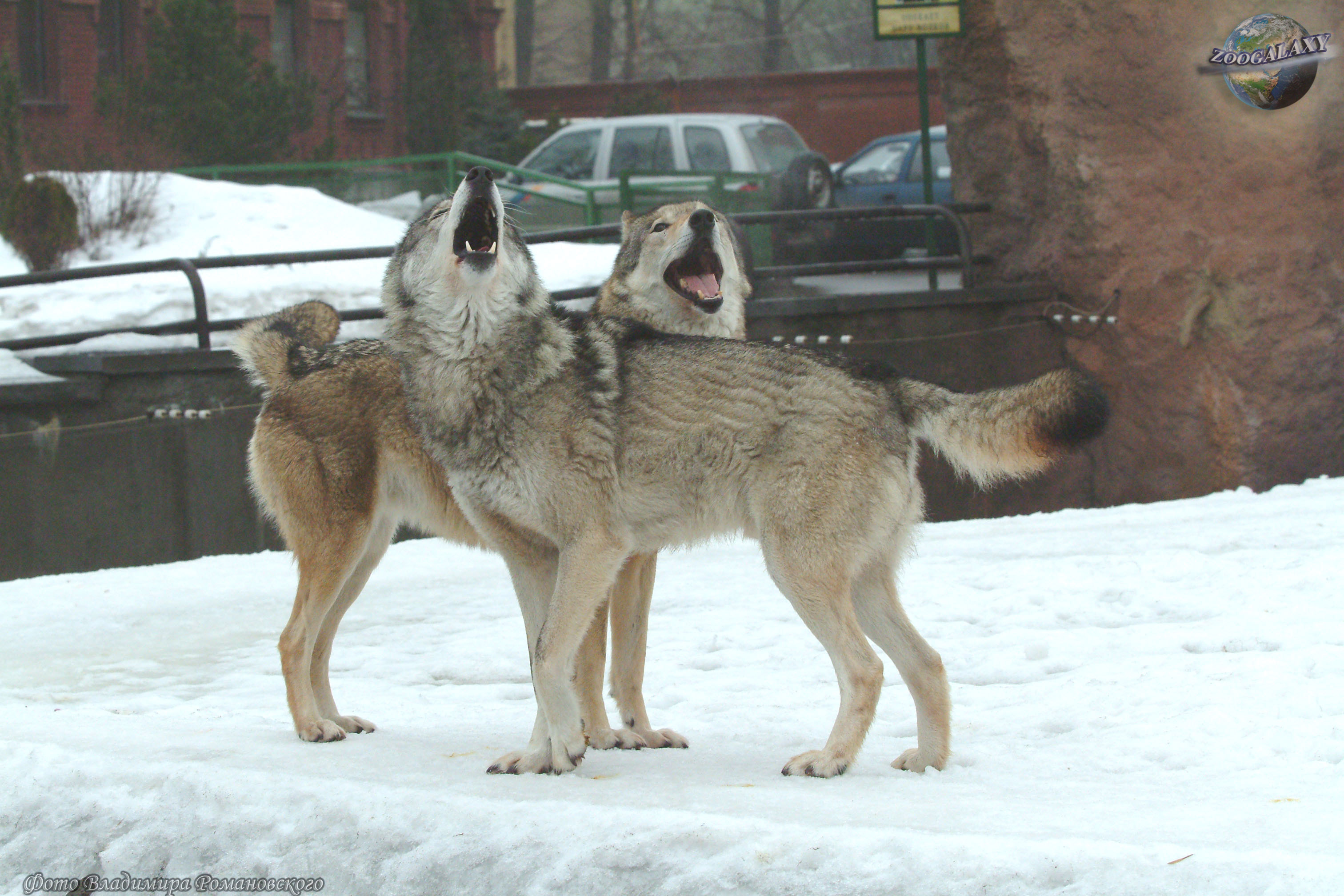
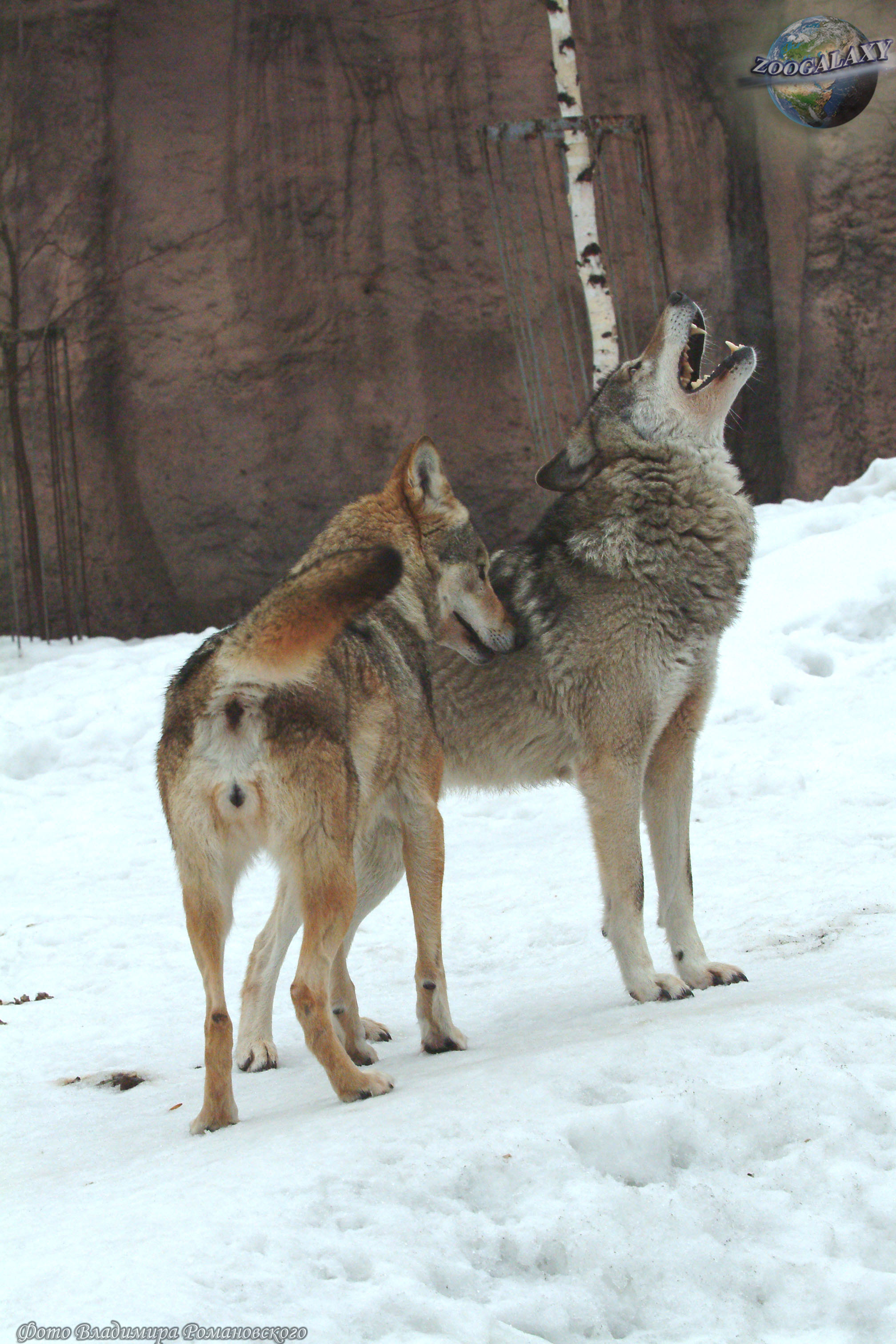
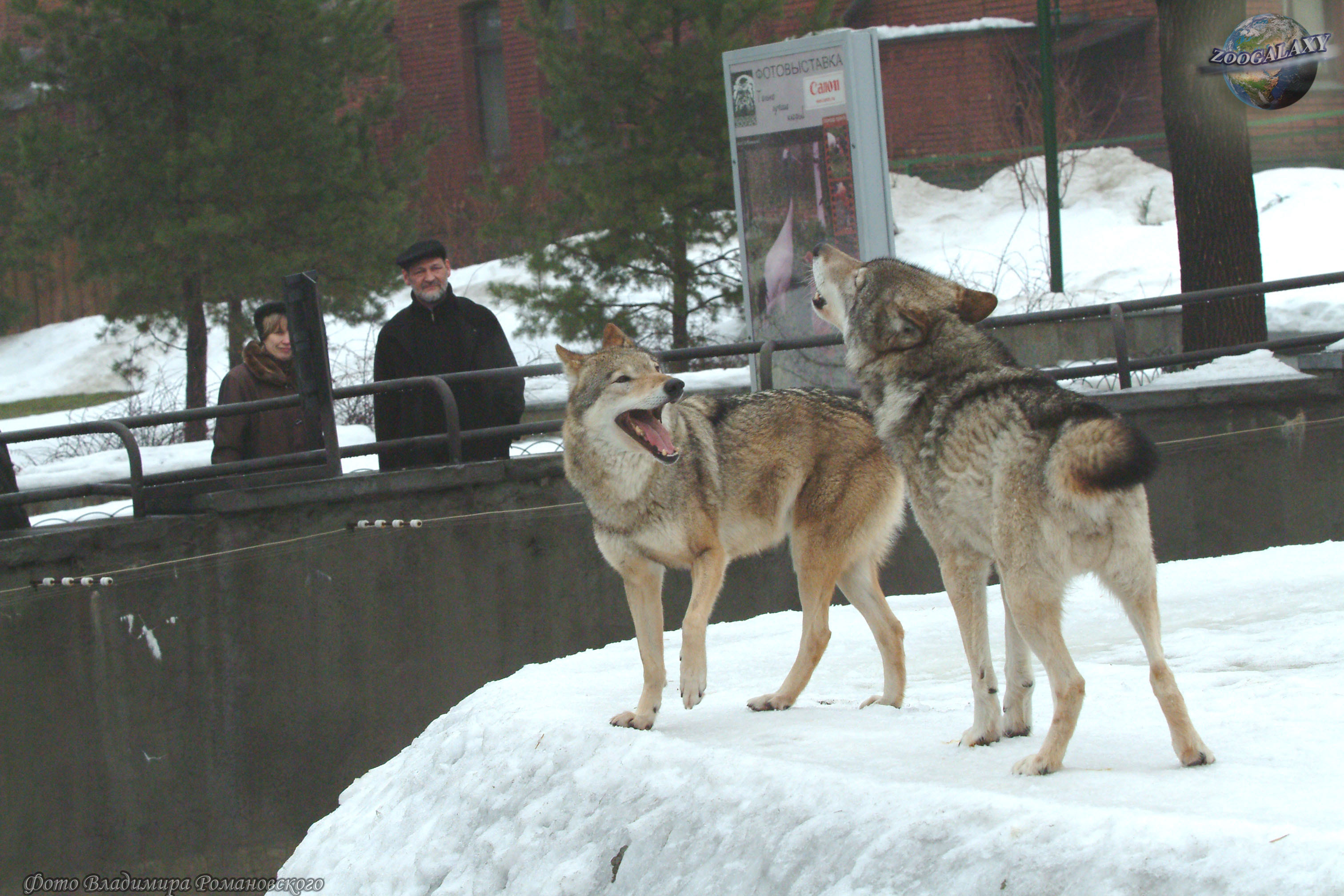
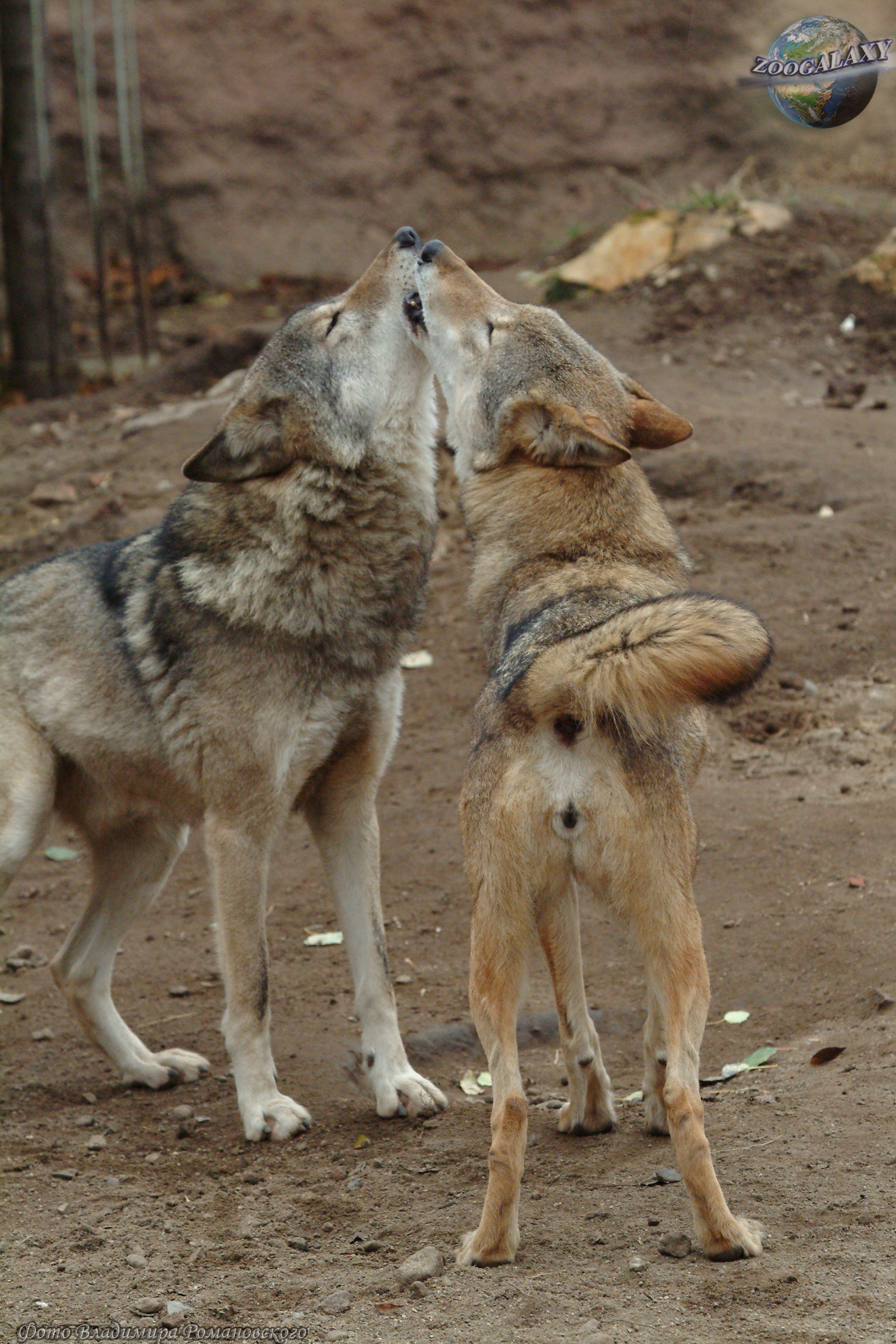
The wolf's howl is a truly magnificent means of communication. A human can hear it 3-4 km away, wolves can hear it up to 10 km away. Thanks to howling, the members of the pack always know where each other is, what each other is doing and where their neighbours are hunting. Their parents howl to inform their cubs that they are approaching their prey, and the cubs tell them where they are. Animals can use their voices to communicate more complex messages, such as the location of potential prey or the arrival of humans. Most importantly, wolf howls create a harmonious atmosphere in the pack and promote unity (photo 4, 5, 6).
We can tell the wolf's behaviour in the pack by its mimicry, posture and movements, as well as by the position of its ears, head, tail, lips and coat. A confident wolf shows with his whole appearance how big, strong and powerful he is: that is why he walks with his back straight and his head high, and his tail is tucked or stretched horizontally, and his ears are pointed. When he threatens mischief-makers, he shows his fangs and raises but does not stretch his lips. But these extreme measures are quite rare in a friendly pack. Often, a simple glance is enough to put a subordinate in his place.
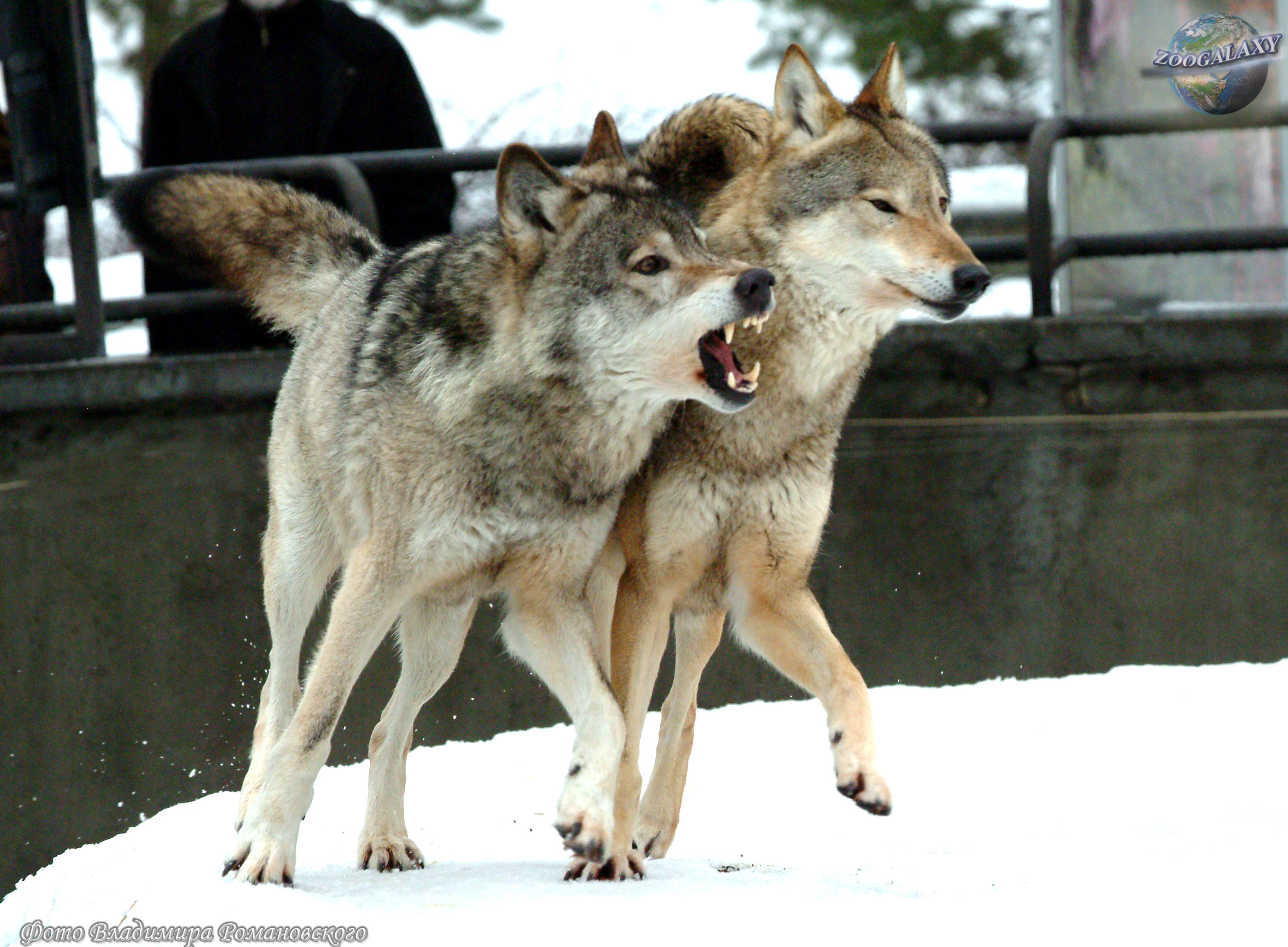
Canis lupus often show friendly feelings towards their mates, which is very important for pack cohesion. The easiest way to relieve tension and spread good humour is to play, and wolves love to play (photo 8, 9, 10). They have a form of collective mutual greeting: whinnying, the wolves rub each other enthusiastically, nudge each other, lick each other's muzzles (photo 12). This ceremony, as well as the howling of the group, raises the general mood.
Canis lupus are skilful and resourceful hunters, they are highly intelligent and their behaviour is very complex and coordinated. In a herd chasing an elk or a deer, some predators will run after their prey, others will cut them off, while others will lie in ambush to make a decisive move at the right moment.