














The Himalayan wolf (Canis lupus chanco)
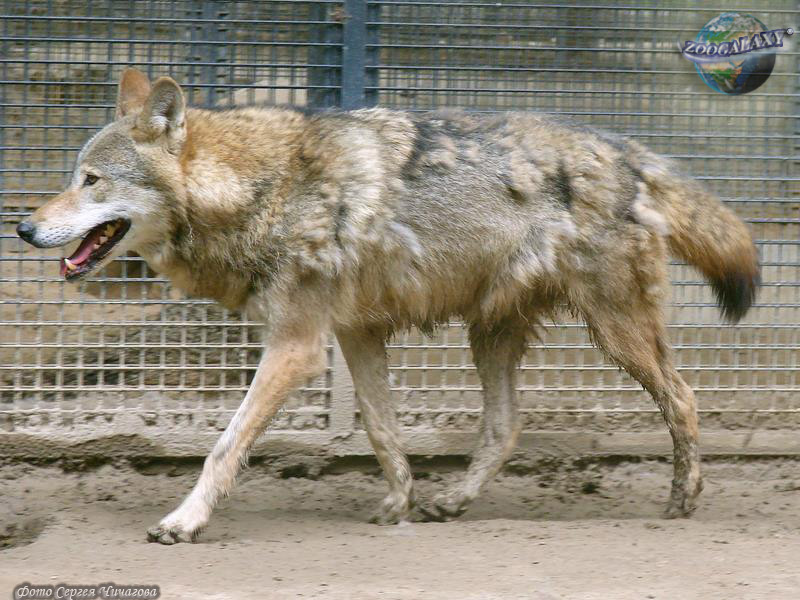
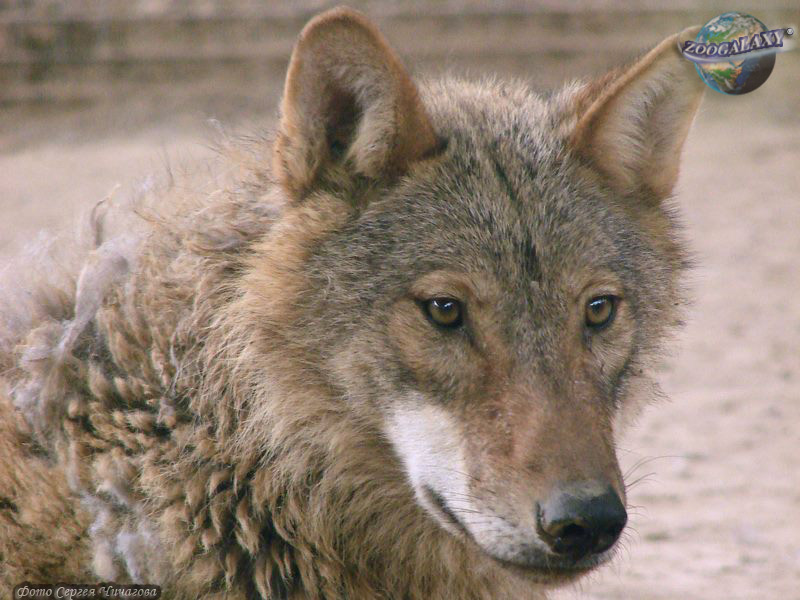
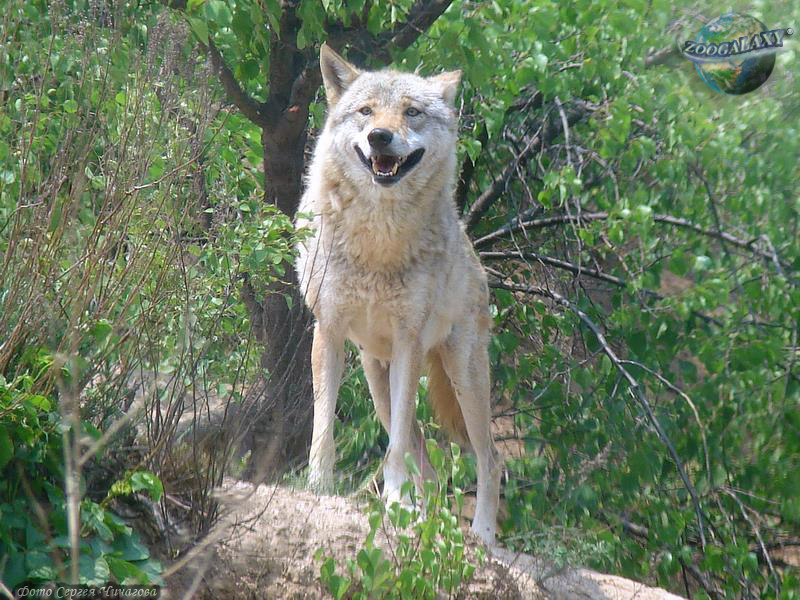
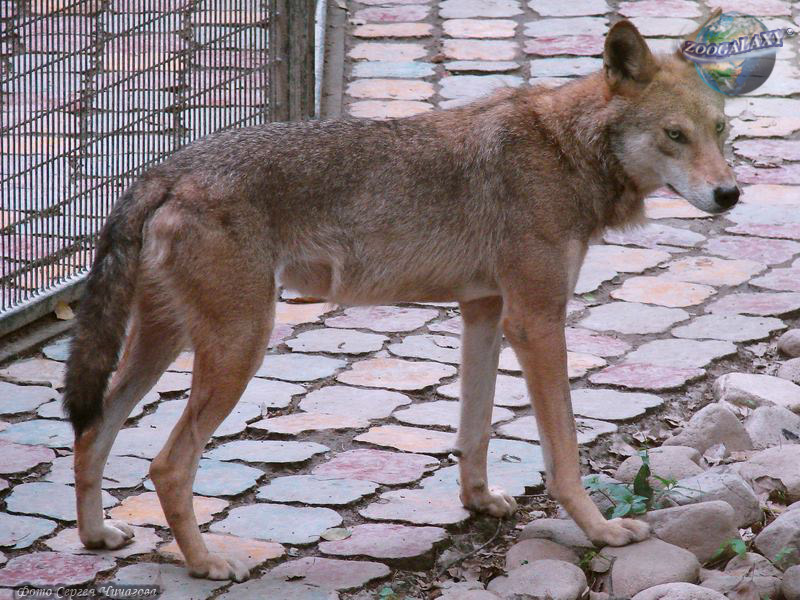
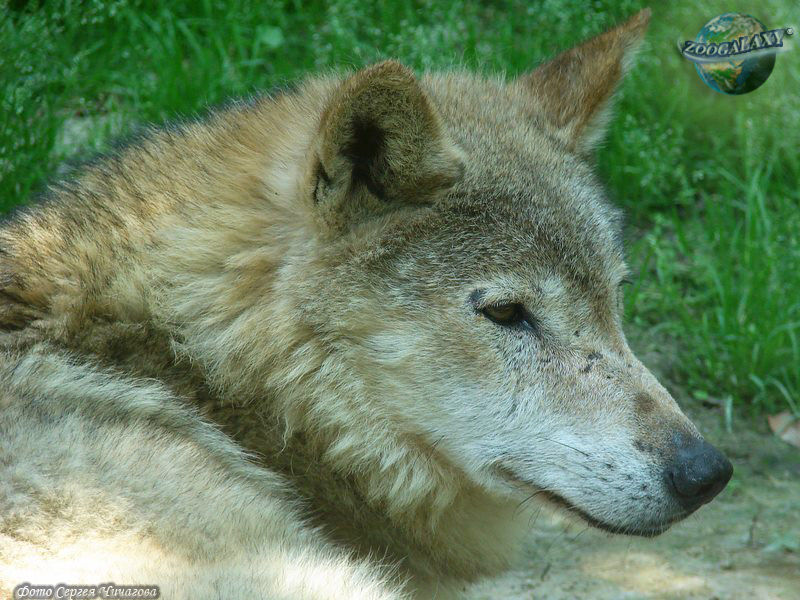
The Himalayan wolf (Canis lupus chanco) is a canine of debated taxonomy. It is distinguished by its genetic markers, with mitochondrial DNA indicating that it is genetically basal to the Holarctic grey wolf, genetically the same wolf as the Tibetan and Mongolian wolf, and has an association with the African wolf (Canis lupaster). No striking morphological differences are seen between the wolves from the Himalayas and those from Tibet. The Himalayan wolf lineage can be found living in Ladakh in the Himalayas, the Tibetan Plateau, and the mountains of Central Asia predominantly above 4,000 m (13,000 ft) in elevation because it has adapted to a low-oxygen environment, compared with other wolves that are found only at lower elevations.
Some authors have proposed the reclassification of this lineage as a separate species. In 2019, a workshop hosted by the IUCN/SSC Canid Specialist Group noted that the Himalayan wolf's distribution included the Himalayan range and the Tibetan Plateau. The group recommends that this wolf lineage be known as the "Himalayan wolf" and be classified as Canis lupus chanco until a genetic analysis of the holotypes is available. The Himalayan wolf lacks a proper morphological analysis. The wolves in India and Nepal are listed on CITES Appendix I as endangered due to international trade.
Taxonomy
Canis chanco was the scientific name proposed by John Edward Gray in 1863, who described a skin of a wolf that was shot in Chinese Tartary. This specimen was classified as a wolf subspecies Canis lupus chanco by St. George Jackson Mivart in 1880. In the 19th and 20th centuries, several zoological specimens were described:
- Canis niger by Philip Sclater in 1874 was a wolf specimen collected near Hanle in Kashmir.
- Lupus filchneri by Paul Matschie in 1907 was a wolf skin from Xining in China's Qinghai province. It had been collected by Wilhelm Filchner during an expedition to China and Tibet in 1903–1905.
- Lupus karanorensis by Matschie in 1907 was a skin and a skull of a wolf that was shot in an oasis near Dunhuang in China in 1894.
- Lupus tschiliensis by Matschie in 1907 was a skull of a wolf specimen that was shot in the coastal region of China's Zhili province.
- Canis lupus coreanus by Yoshio Abe in 1923 was a wolf specimen from the vicinity of Seoul in the Korean Peninsula.
In 1938, Glover Morrill Allen classified these specimens as synonyms for C. l. chanco. In 1941, Reginald Pocock corroborated this assessment after reviewing wolf skins and skulls in the collection of the Natural History Museum, London. In 2005, W. Christopher Wozencraft also listed Canis lupus niger, Canis lupus filchneri, Canis lupus karanorensis, and Canis lupus tschiliensis as synonyms for Canis lupus chanco.
Description and habitat
Canis lupus chanco is a subspecies of wolf that is quite light in colour, almost white underneath.
Canis lupus chanco was identified as a subspecies of the grey wolf as early as 1863 by the British zoologist John Edward Gray. It is common in China, Manchuria and Mongolia, and can be found in Tibet, the Himalayas and southwestern Russia. Compared to the grey wolf, the Tibetan wolf is slightly larger but has a shorter nose.
Some scientists consider it to be the most likely ancestor of the domestic dog, as it bears some morphological similarities to the dog, unlike other subspecies of the grey wolf.
Hunting and nutrition
Canis lupus chanco is an excellent hunter and can hunt alone or in packs at any time of the day. It can feed on deer, blue sheep and other large mammals, as well as marmots, hares, ground squirrels and mice.
Reproduction
Canis lupus chanco breeds in spring, with only the dominant pair having cubs in the herd. After a two-month pregnancy, the she-wolf gives birth to 4-6 pups. They start to come out of the den at 3-4 weeks of age. The mother feeds her cubs with milk for 2-3 months and later they accompany their parents when hunting. Young Canis lupus chanco reach sexual maturity in the second year of life, and Canis lupus chanco can live 6-10 years in the wild; in captivity, they can live up to 20 years.